Even Those Who Live Dishonestly Seem to Prosper. Am I the Only One Losing Out by Being Honest?
Feb 13, 2026 - Visit to Dungeshwari Villages, Friday Dharma Q&A
Hello. Today, Sunim visited villages to understand what the residents of Dungeshwari need or what difficulties they face in their daily lives, and conducted a live Friday Dharma Q&A session (금요 즉문즉설).
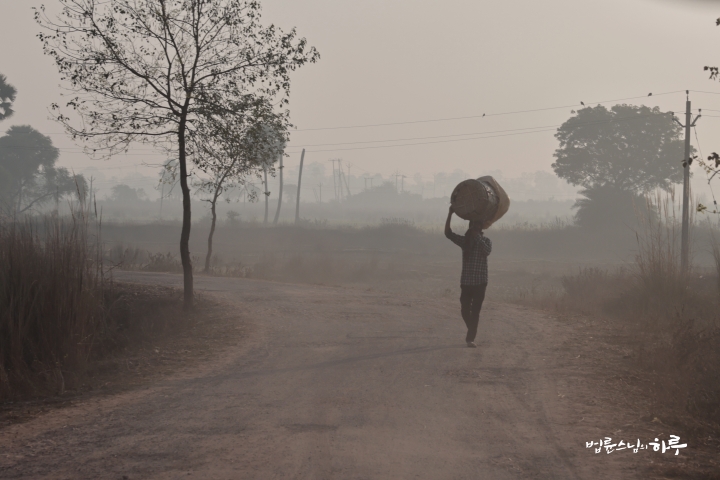
Sunim practiced and meditated at dawn, edited manuscripts, and then had breakfast. As promised during yesterday’s conversation with village leaders, today was dedicated to visiting villages all day. Since the Dharma Q&A broadcast was scheduled for 4 PM, village visits needed to be completed by 3:30 PM, so Sunim departed for the villages at 7 AM.
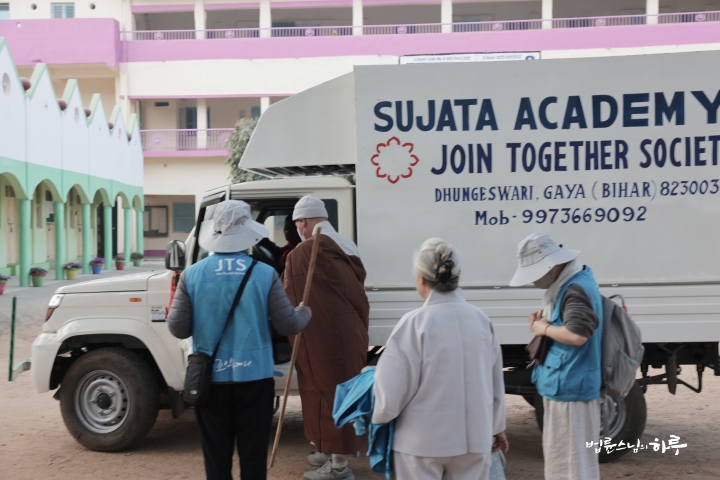
In the morning, Sunim decided to visit all the villages beyond Jeonjeongak Mountain (전정각산). He arrived at Gawalbigha at 7:30 AM.
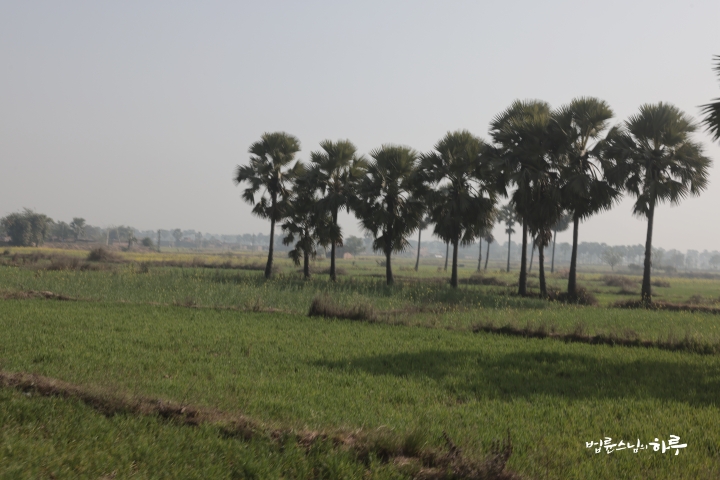
First, Sunim visited the Gawalbigha preschool. Although it was still early and no students were present, a village leader was waiting for Sunim at the preschool.
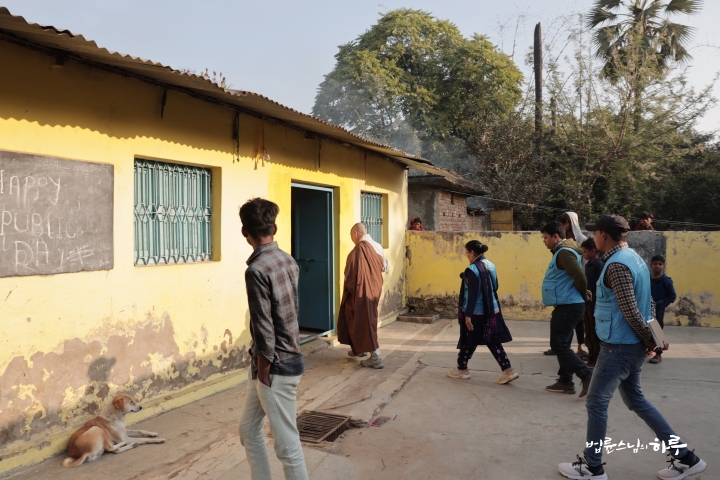
The skylights on the roof were old and didn’t let in much sunlight, making the classroom very dark inside.
“We need to replace the preschool roof. Let’s go see the village drainage system.”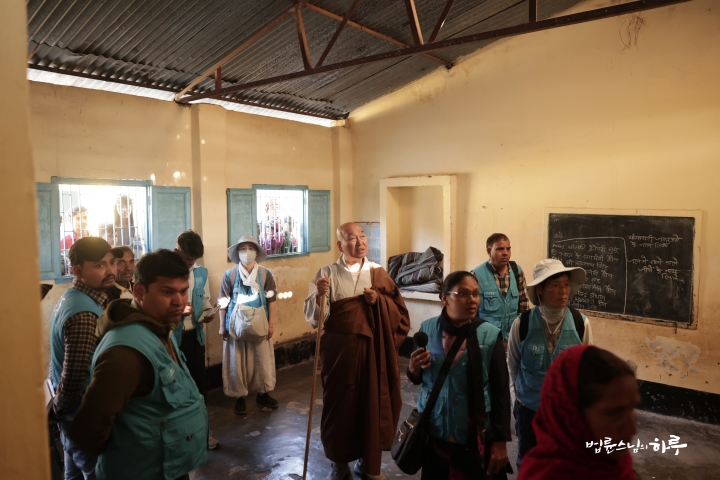
While the drainage system (하수로) wasn’t properly constructed in the open area outside the village, some houses inside the village had drainage systems installed in front of them.
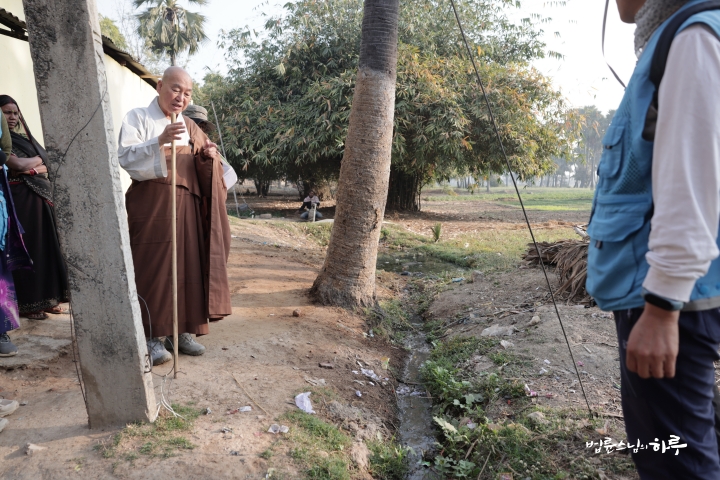
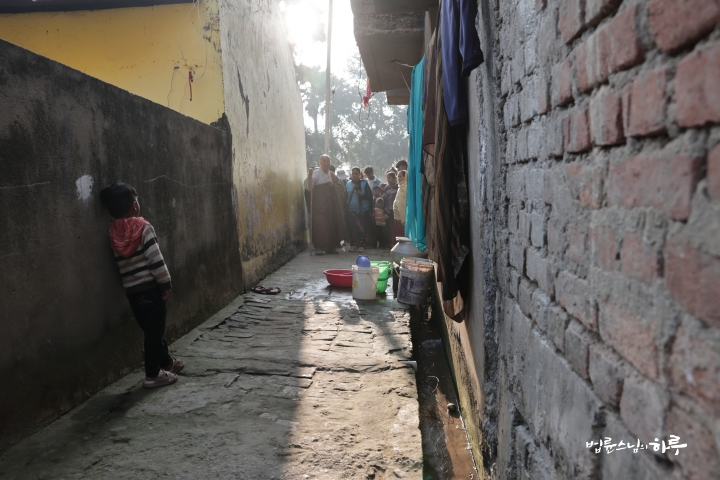
Sunim asked the village leader:
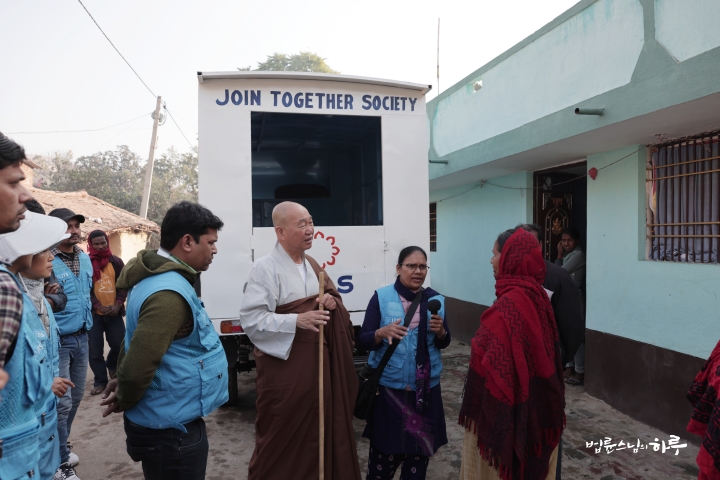
“Yes, Sunim. It’s possible.”
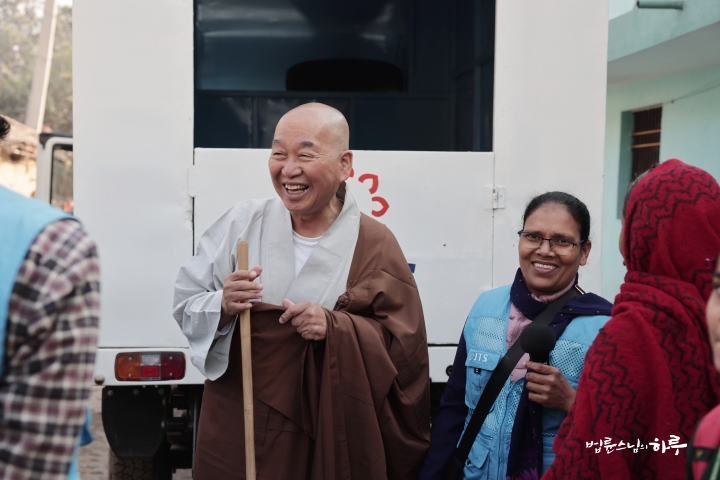
As Sunim was leaving Gawalbigha, he looked at the access road from the main road to the village and said:
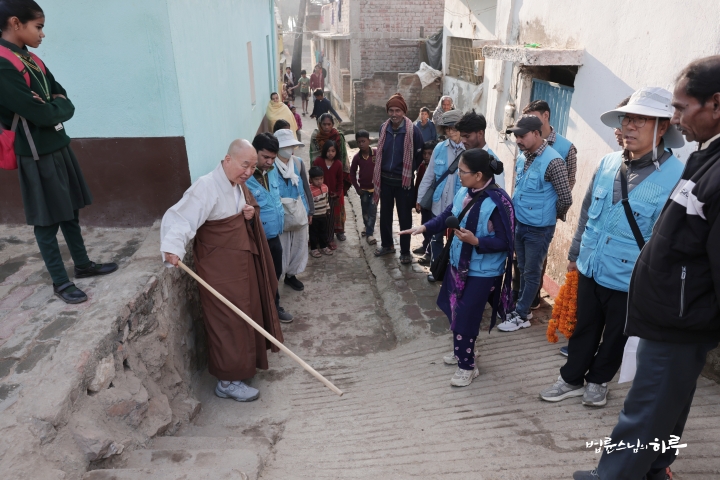
Sunim arrived at Kanahol at 8 AM. In Kanahol, there is a Sujata Academy branch school established for children living beyond Jeonjeongak Mountain. However, news had come that the government was constructing a government office building on this branch school site.
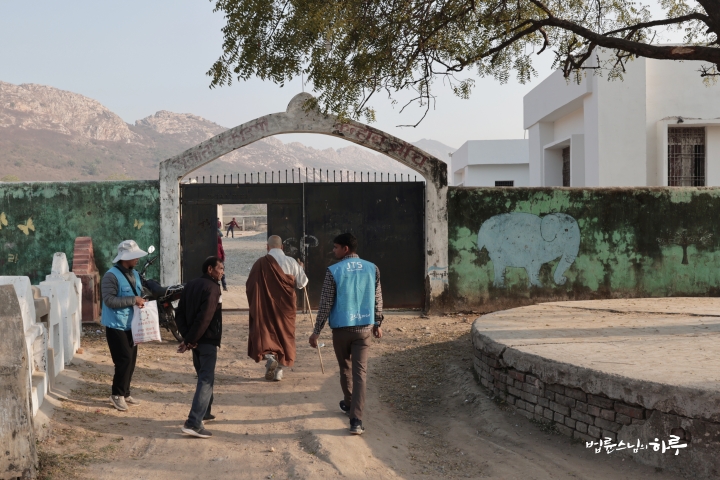
Upon arriving at the site, a government office was being built in the Sujata Academy branch school yard. Sunim asked:
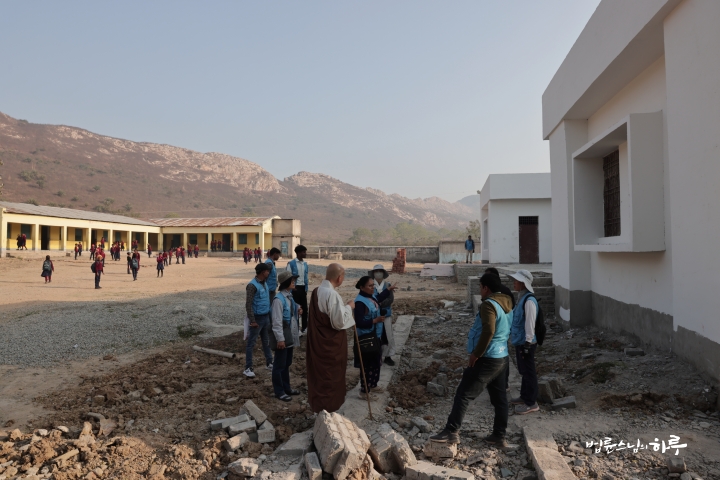
Sunim approached the students who were having morning assembly.
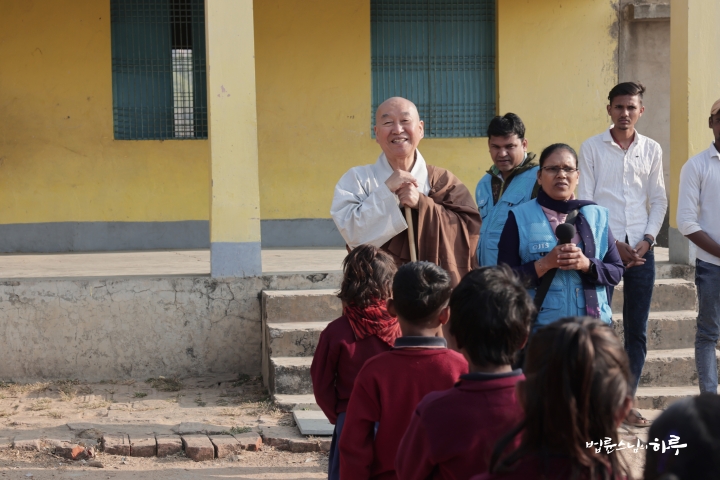
“Namaste, Sunim!”
“Do you need anything for your studies?”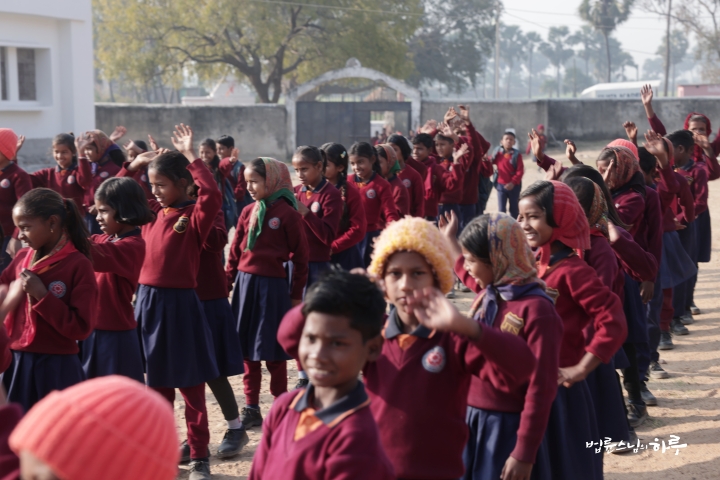
The children just smiled brightly.
“Alright, study hard.”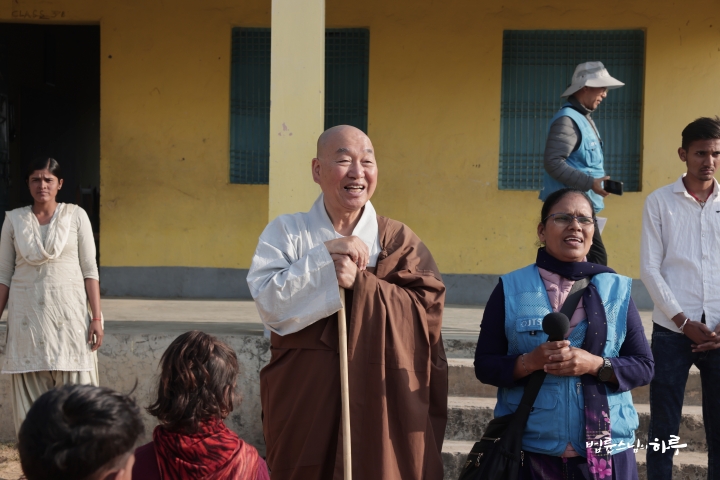
Sunim looked at the school building and said:
“Many villagers have talked about the need for a community space. If we close the branch school and integrate it with the government school, using this building as a village hall would be one option.”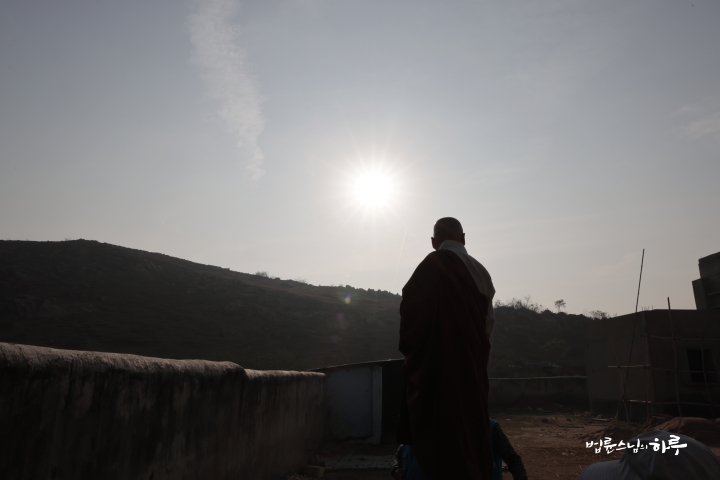
Sunim went outside the school and carefully examined the surroundings. There was an open space behind the wall, but it didn’t seem suitable for building a village hall due to poor accessibility.
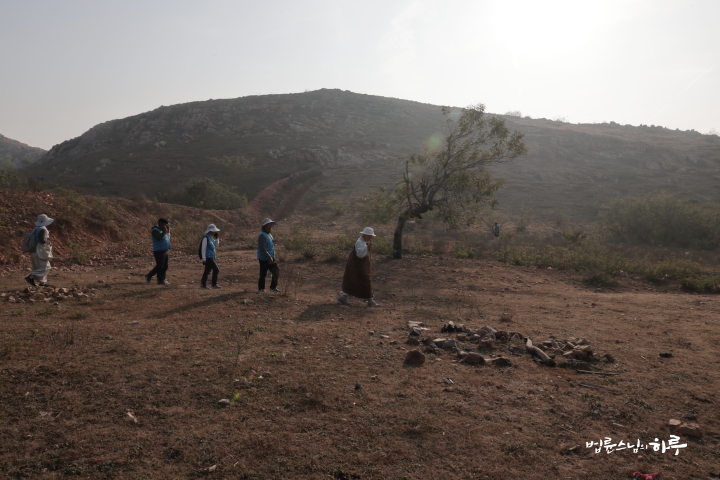
In front of the school was a small Hindu temple with an open space next to it. Sunim looked at it and said:
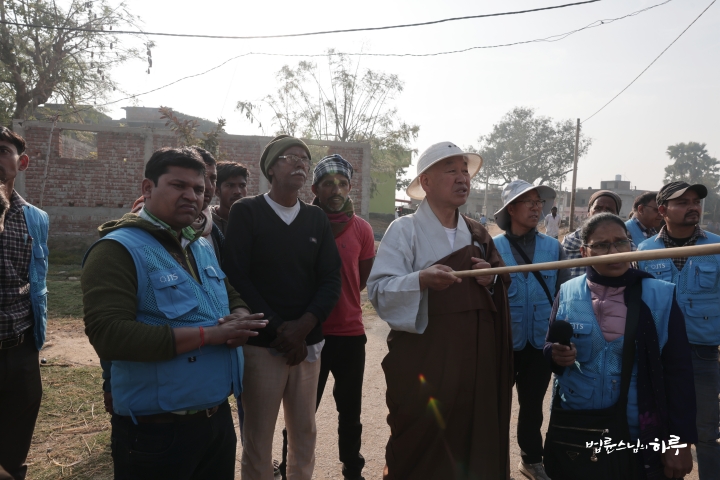
Sunim went closer to examine the open space. The villagers also agreed that it would be a good location.
“If all the villagers agree, build the village hall here. Of course, the villagers must work together to build it.”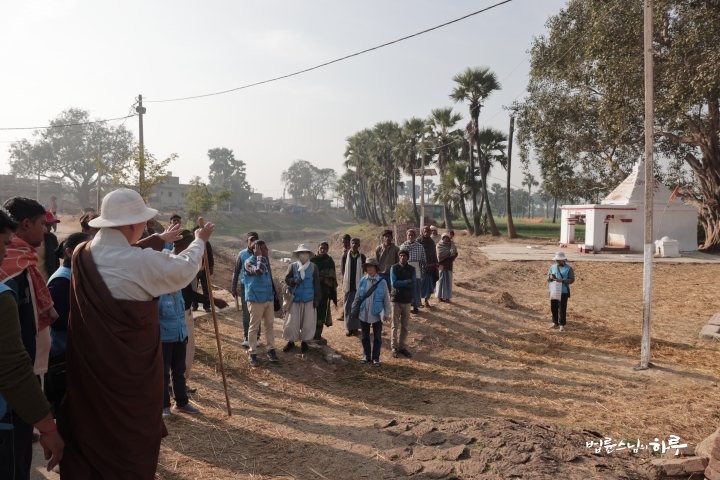
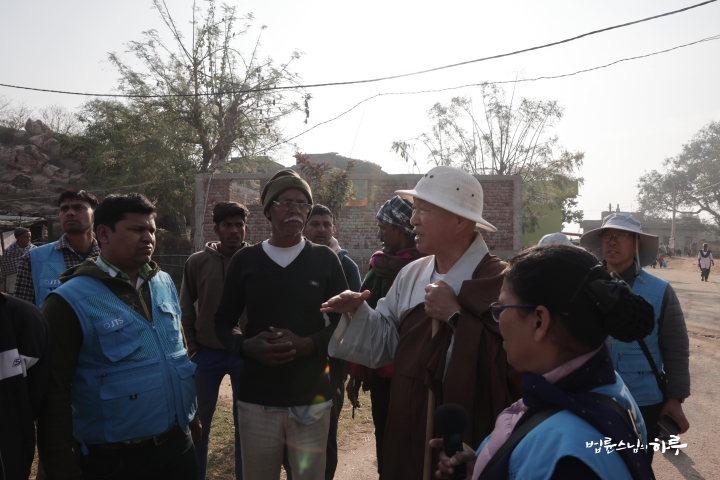
Next, Sunim went into the village to examine the drainage system. As heard in yesterday’s conversation with village leaders, Kanahol’s alleyways were much narrower compared to other villages. However, during this visit, he noticed that the government had widened some roads.
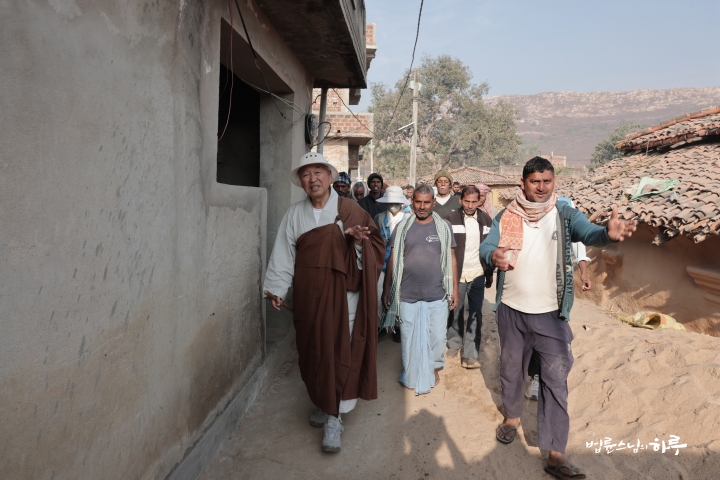
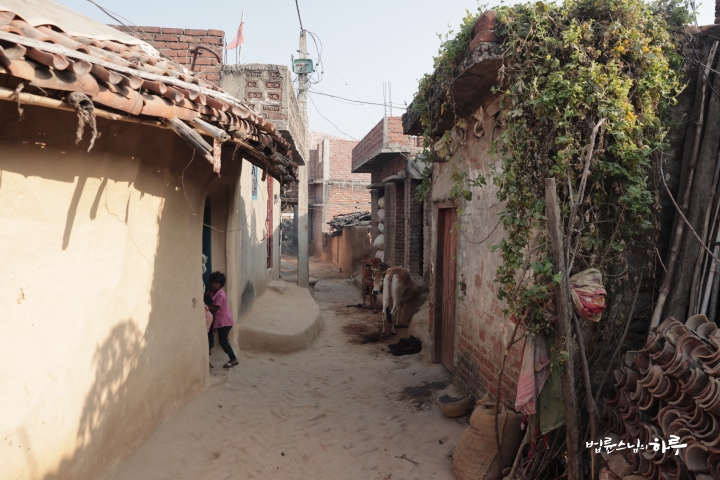
After touring the entire village, Sunim told the Kanahol village leader:
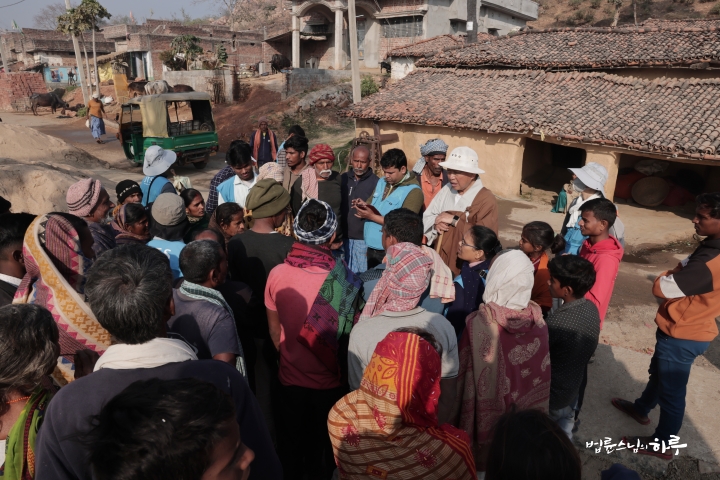
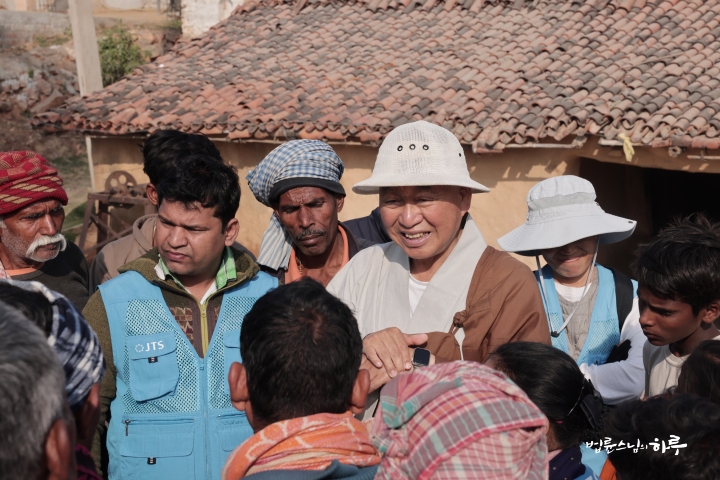
At 8:50 AM, Sunim left Kana Hall and went to Bagahi to inspect the preschool and drainage system before moving on to Srirampur.
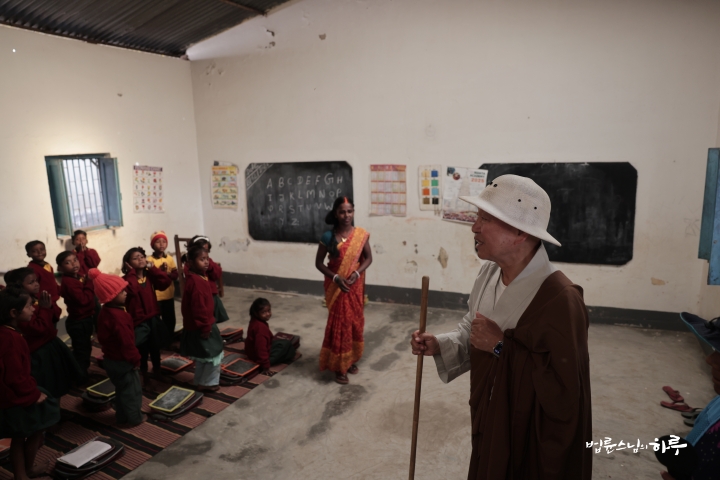
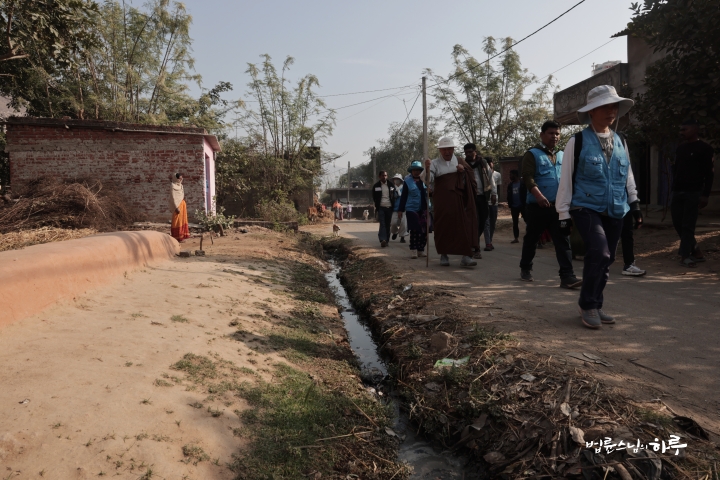
After 9 AM, they arrived at Srirampur preschool. Two teachers were conducting classes. Here too, the translucent panels on the slate roof were worn out, making the classroom very dark. It was decided to replace the roof.
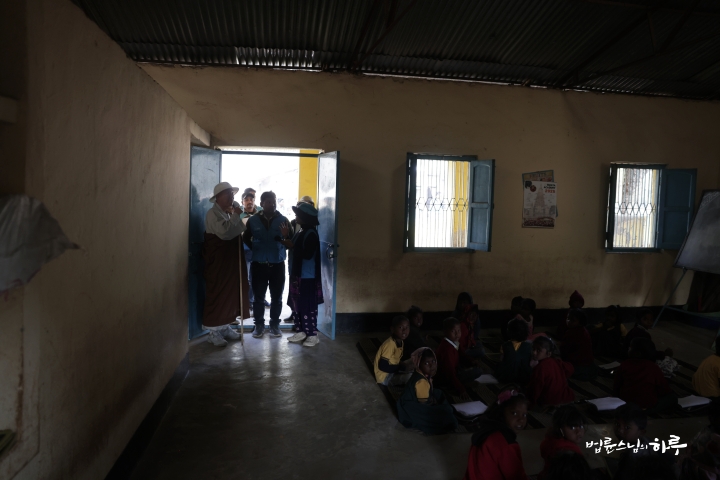
Sunim asked the teachers.
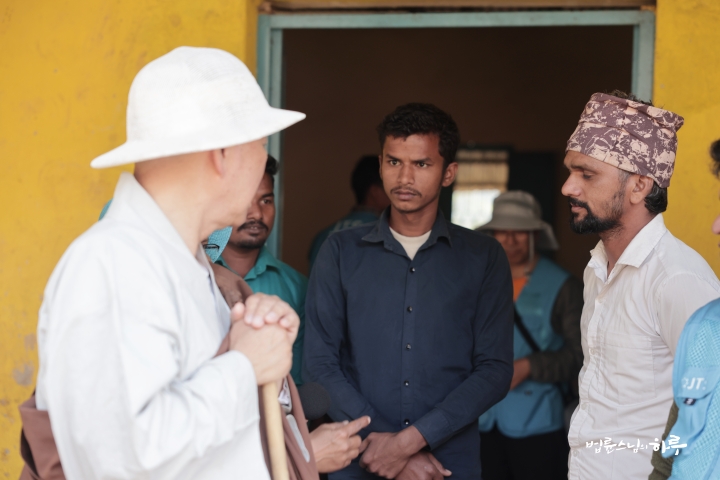
“The wall is too low, so villagers sit on it and use it like a chair. Sometimes during class, villagers line up sitting on the wall. Even after school ends and we lock the door and leave, people climb over because the wall is low and sometimes urinate inside. It would be good if the wall could be raised for better management of the preschool. Also, the hand pump inside the school cannot be used for drinking water. Since the children have no water to drink, we are using the village hand pump behind the school.”
“I understand. Please organize this information and submit it to the village development coordinator.”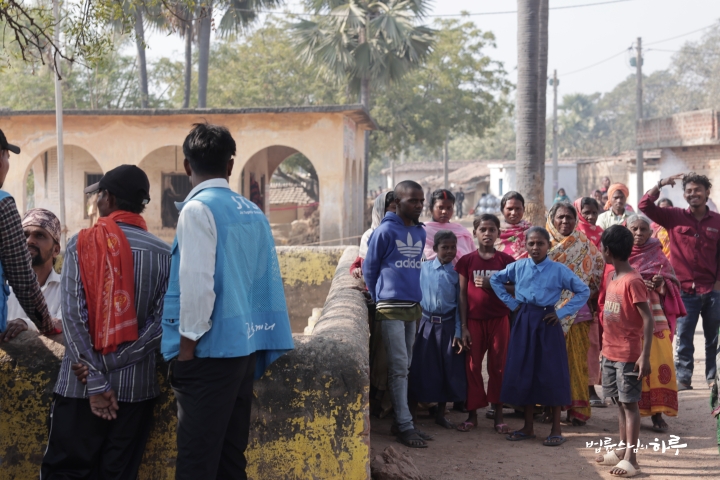
After listening carefully to the teachers’ opinions, Sunim left Srirampur.
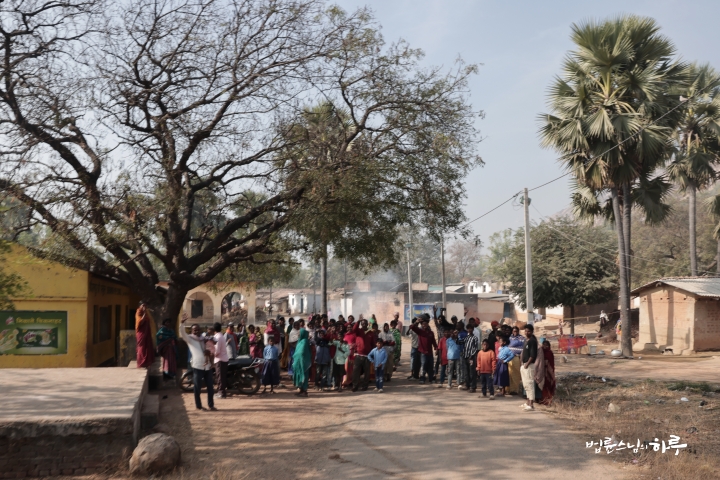
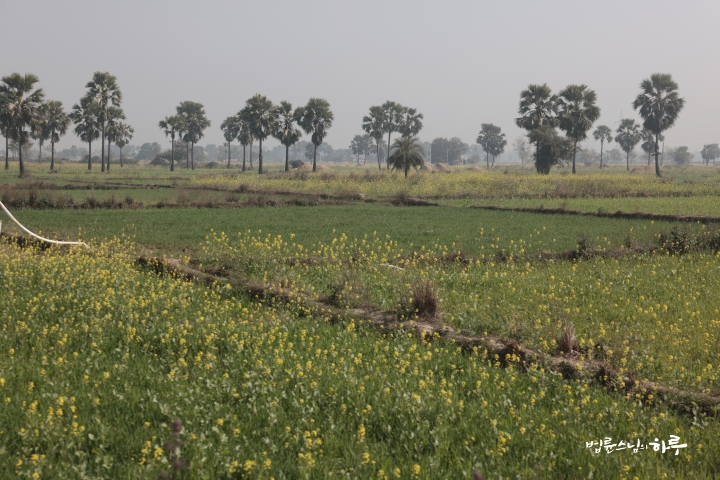
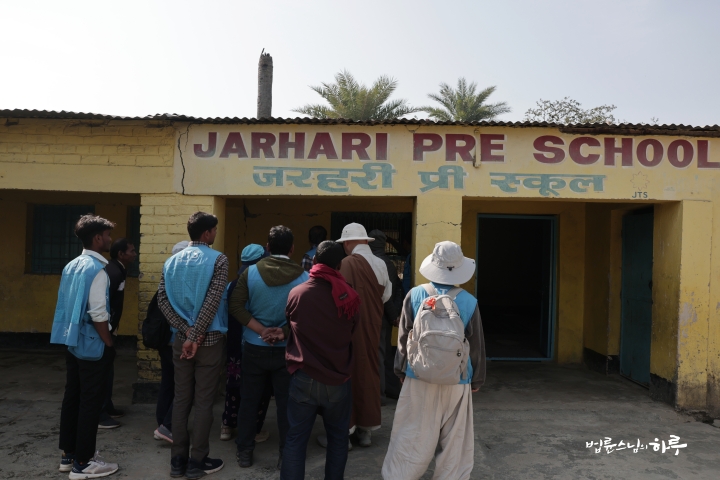
Passing through a road lined with blooming mustard flowers, they arrived at Jarhari preschool at 9:20 AM.
The Jarhari preschool building had severe cracks in the walls. These occurred due to poor connection between the existing building and the extension during construction. After examining the structure, Sunim asked Sambu, the village development staff member, to inspect the preschool with an expert and make repairs.
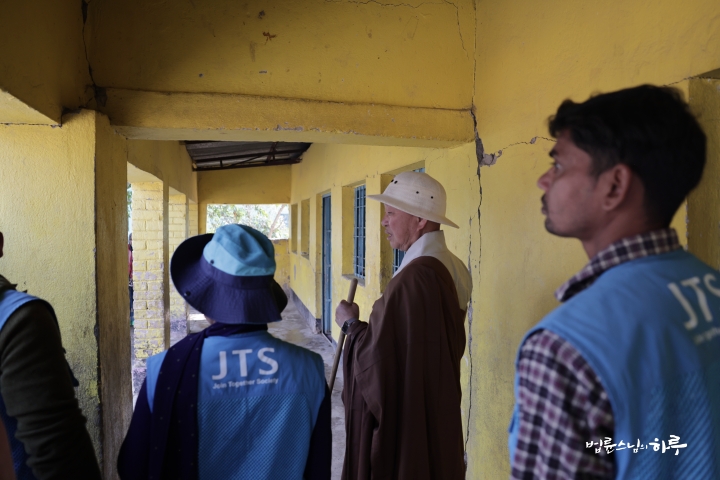
Jarhari also lacked proper drainage systems. Water from washing clothes and dishes at the public hand pump flowed directly into the fields or collected in open spaces, and the stagnant water attracted many flies. Sunim told the Jarhari village leader:
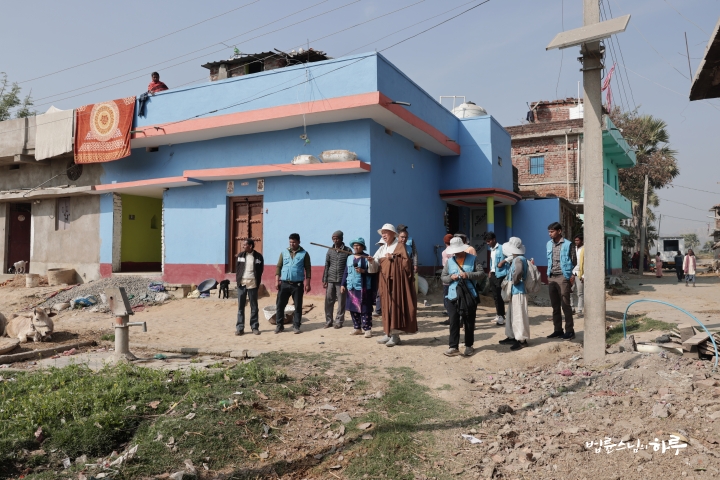
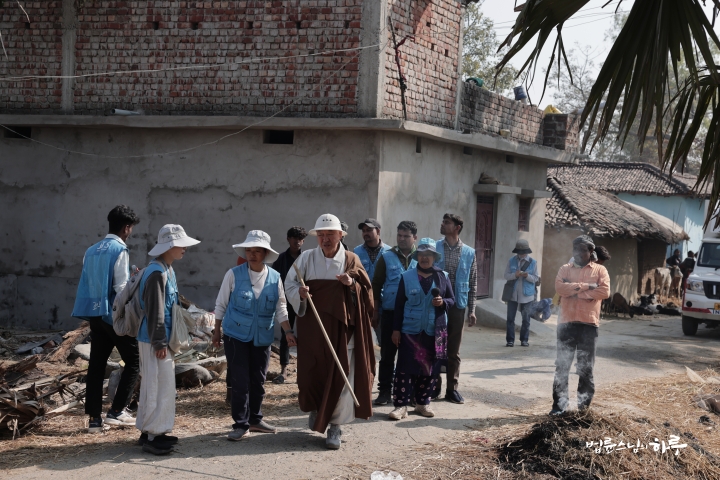
The water tank in the center of the village was empty. While the water problem seemed to have been somewhat resolved, water shortage issues remained as people’s water usage increased.
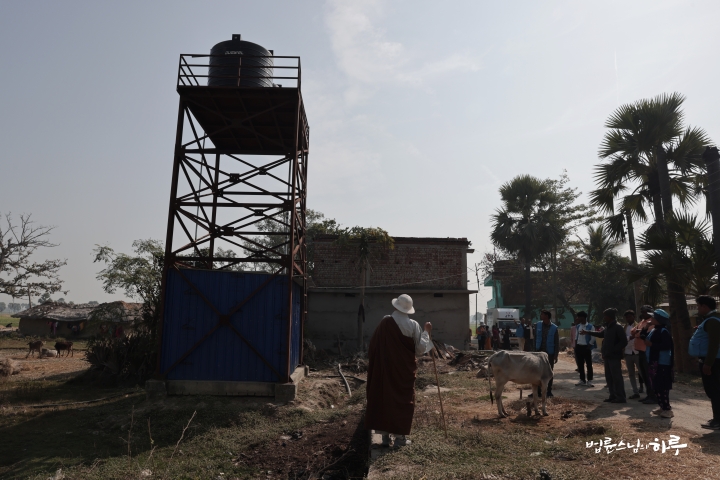
The Jarhari village leader brought up the water shortage problem.
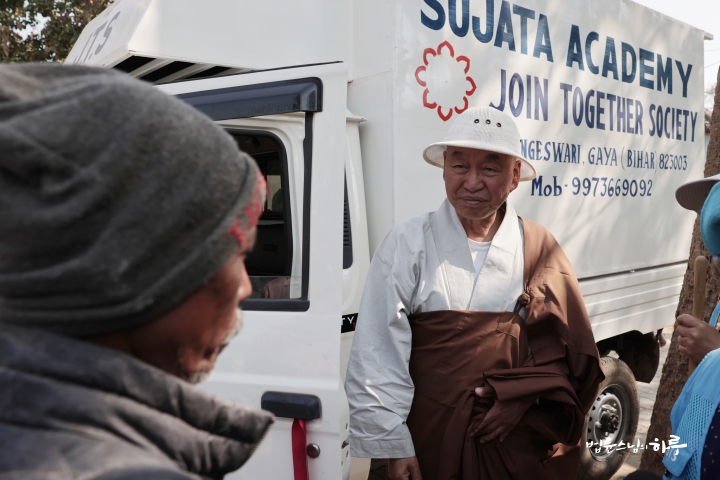
“In summer, we still face water shortages. The government fills the water tank in summer, but sometimes they skip it.”
At 10 AM, they left Jarhari and moved to Santinagar. In Santinagar, there was a case where villagers had worked together to build a house for two homeless siblings. After inspecting the Santinagar preschool, they visited that house.
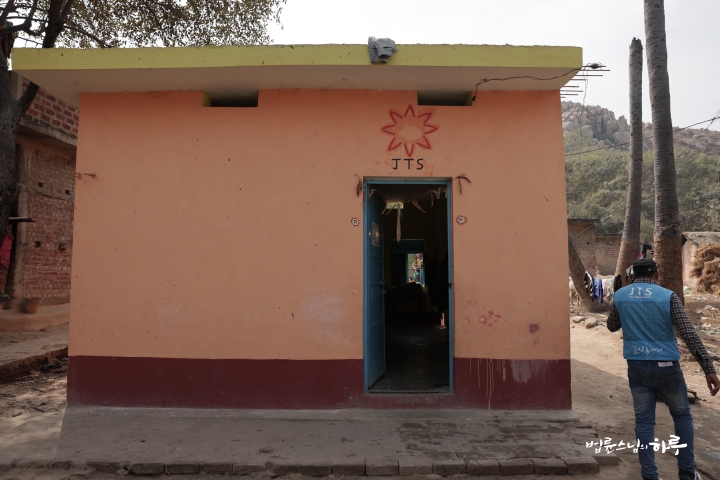
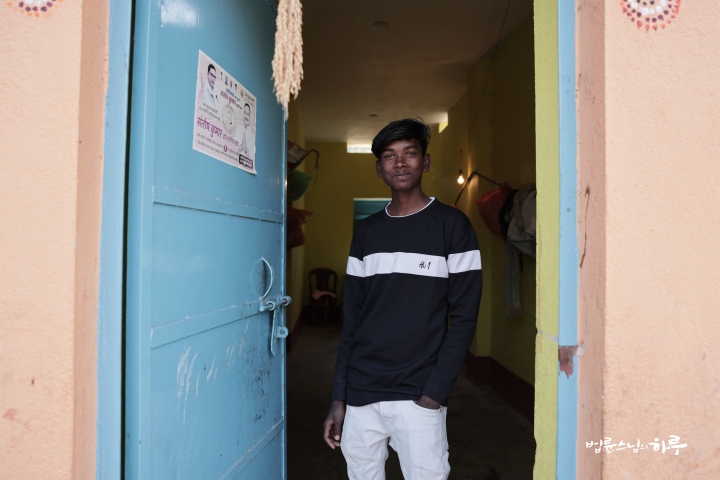
A male student was in the cleanly built house. The student thanked Sunim and JTS with a bright face.
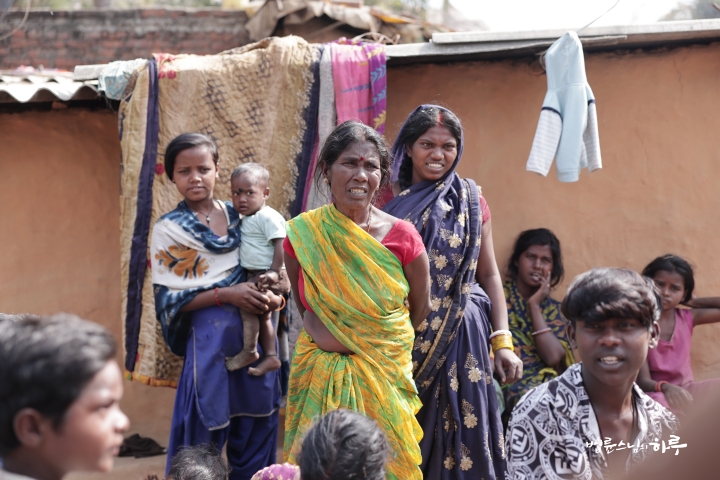
Sunim asked the gathered villagers:
“Did you all help when building that student’s house?”“I’m old and a woman, so I don’t have the strength and couldn’t go, but my son went and worked. I think he went to work about five times a month.”
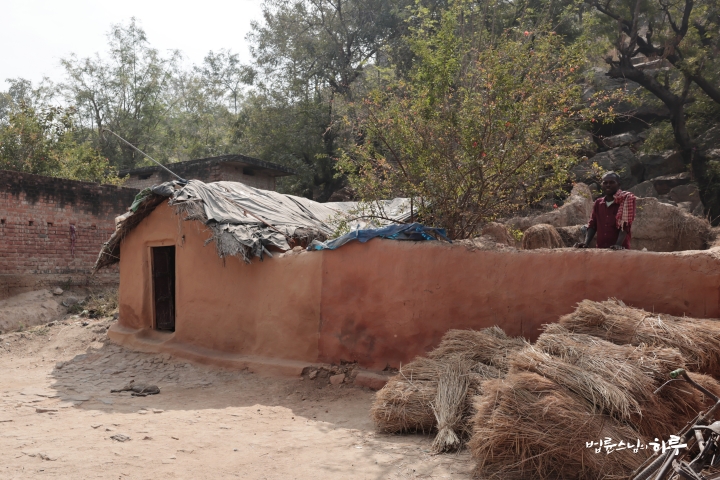
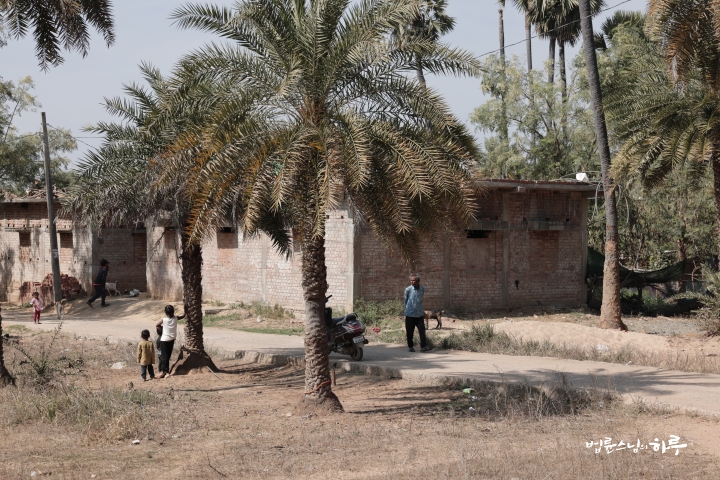
After inspecting the drainage system, Sunim left Santinagar. On the way to Amarpur, they met a homeless person living in a mud house without a roof. Upon entering the house, they found only walls and a frame – it was hardly recognizable as a place where people lived. When asked why the house was in such condition, the person said they had used the government subsidy for urgent needs and now couldn’t afford to build the house as they were barely getting by.
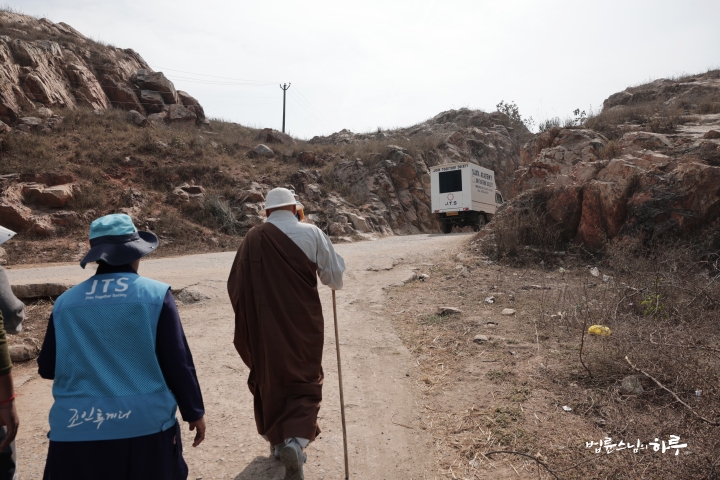
They arrived at Amarpur at 11 AM. Although drainage had been installed next to the hand pump, the drainage was positioned higher than the hand pump, preventing water from draining.
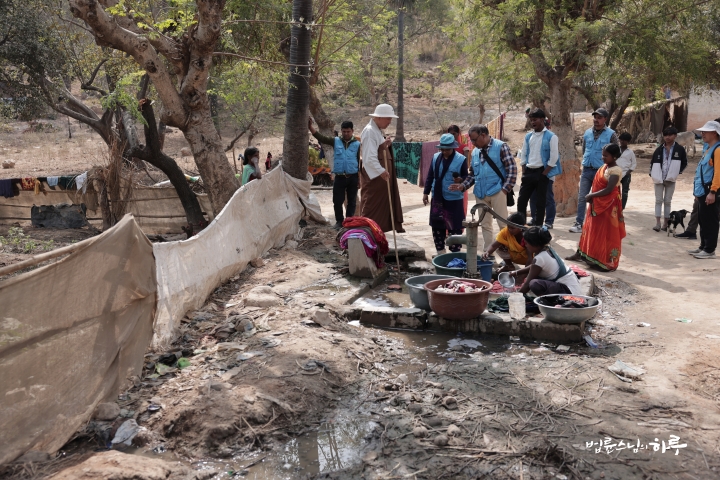
Sunim explained to the village leader why the water wasn’t draining and suggested that the villagers work together to improve the drainage system.
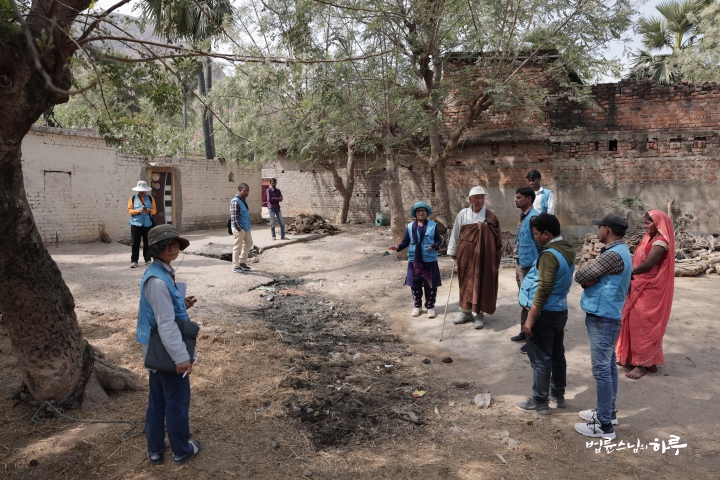
Next, they visited Antubiga and Azadbiga. Both villages requested additional hand pumps due to severe water shortages. They then visited Sorajbiga, which also requested additional hand pump installation.
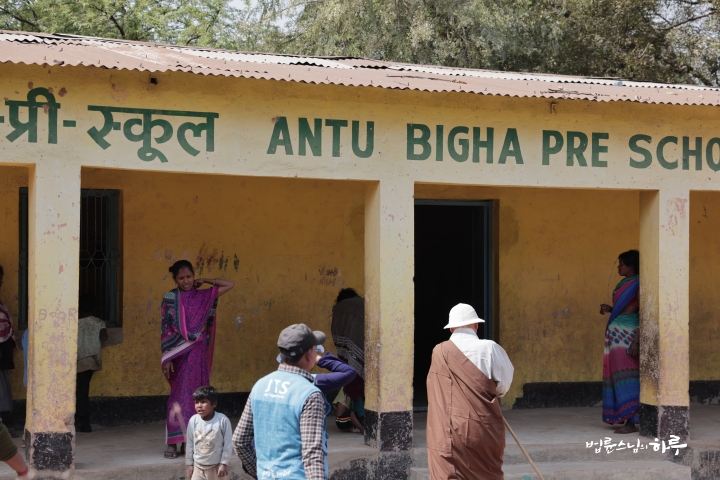
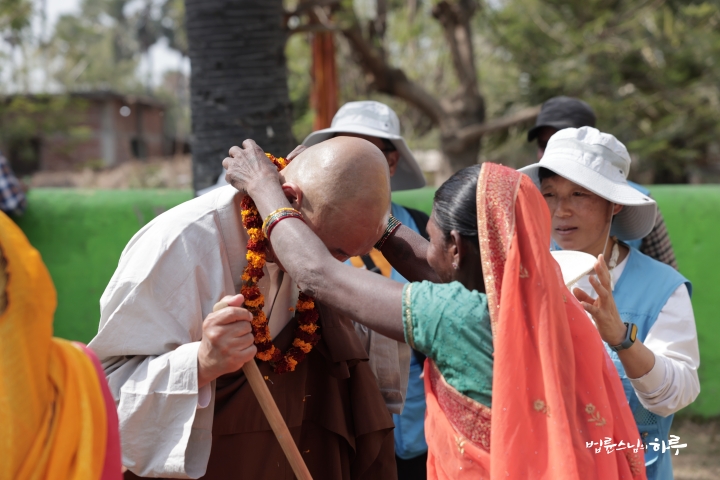
They had surveyed 10 villages without rest for 5 hours starting from 7 AM. At 12:10 PM, they returned to Sujata Academy for lunch. Sunim told the accompanying staff:
“Since there’s a Dharma Q&A broadcast at 4 PM today, we need to finish the survey quickly. It will be a bit difficult, but let’s finish lunch in 30 minutes and depart at 12:40 PM.”After finishing lunch, they immediately went to Rahulnagar.
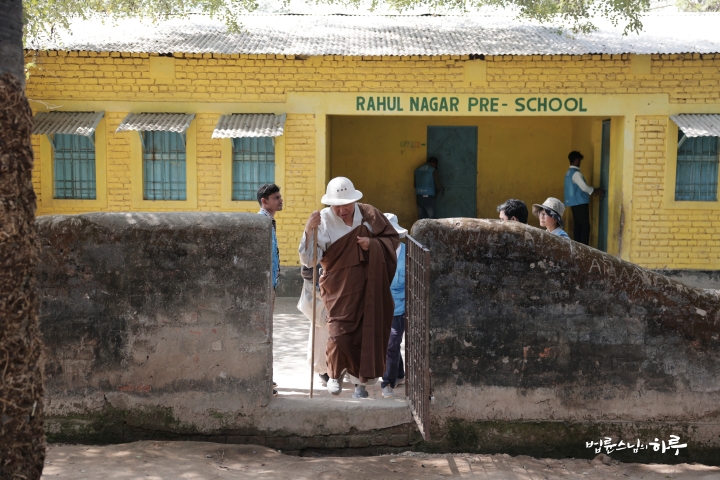
Rahul, the preschool coordinator, made a suggestion:
“Sunim, the road conditions in Rahulnagar are very poor. It’s difficult even for cars to pass, and the problem is that when it rains, the road becomes muddy and both children and adults slip while walking. It would be great if that road could be repaired.”
“Let’s go and see.”Upon inspection, the road was completely covered in dirt and had collapsed in places with water pooling.
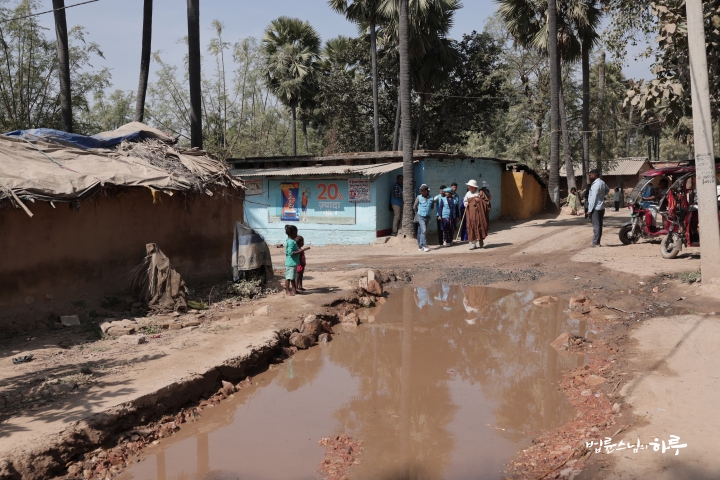
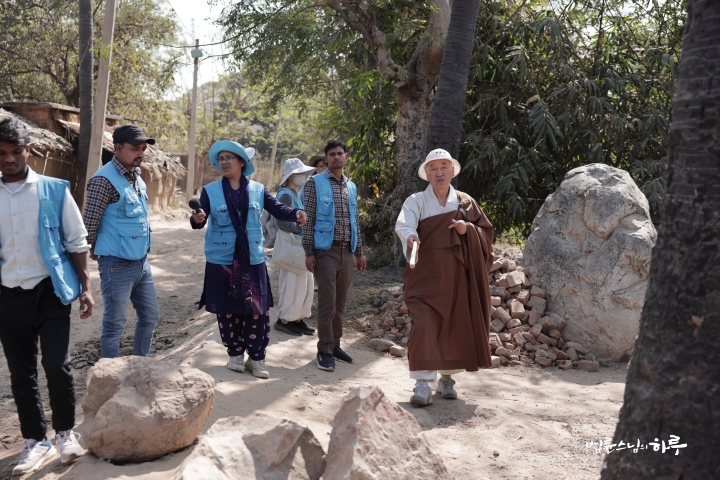
They went into the village to inspect the drainage system as well. Here too, only ditches had been dug for water flow, with wastewater flowing directly into open spaces. If left as is, wastewater would overflow during the rainy season, creating sanitation problems for the entire village.
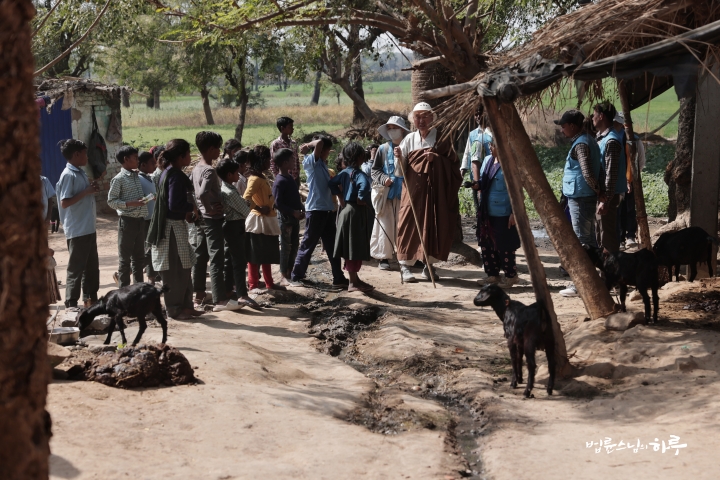
As they were about to leave after inspecting the drainage, the Rahulnagar village leader said:
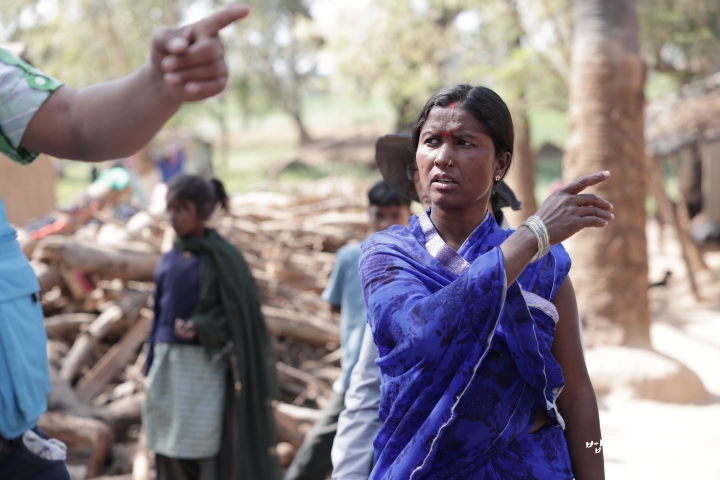
“Sunim, in summer the village faces water shortages. We are not currently using the hand pump that JTS installed. It would be good if you could reopen it.”
“Let’s take a look at the hand pump.”As Sunim went to inspect the hand pump, villagers gathered around. According to the village development coordinator, this hand pump produces water well but was closed due to disputes among villagers. Sunim asked the villagers:
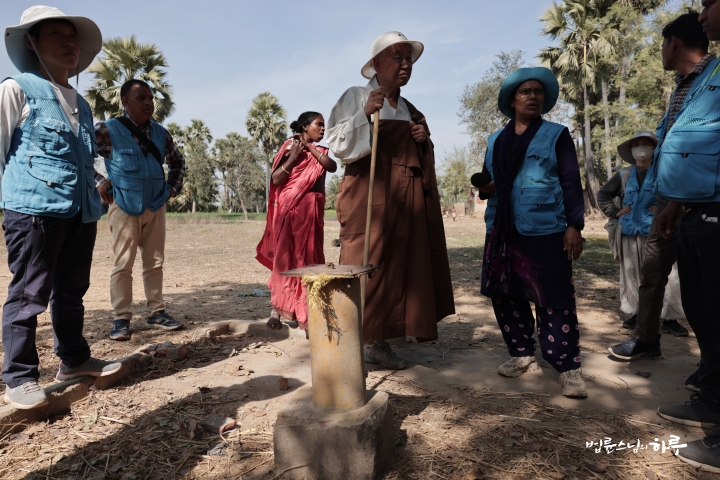
“Yes, it is needed.”
“Is there anyone who opposes it?”“No.”
“Then we will provide materials for construction. Can the villagers clean up the surrounding area?”“Yes, we have always taken care of our village matters ourselves. If you just provide the materials, we can certainly do it. Thank you.”
“I understand.”
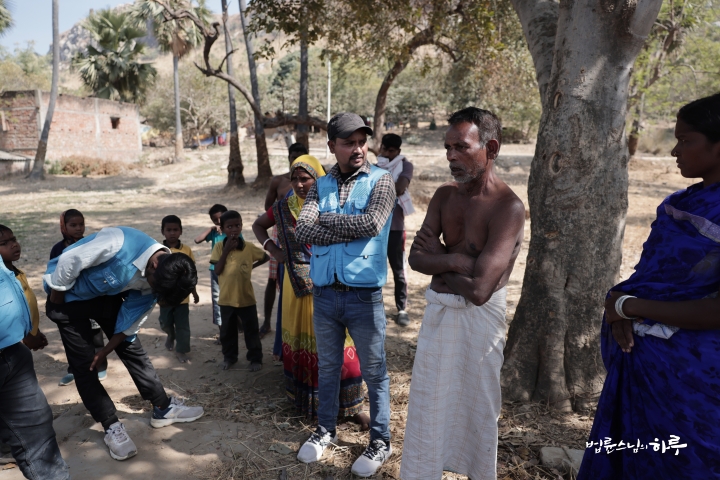
Leaving Rahulnagar, they visited Mamkoshihil, Bangalbiga, Durgapur, and Jagdishpur in succession.
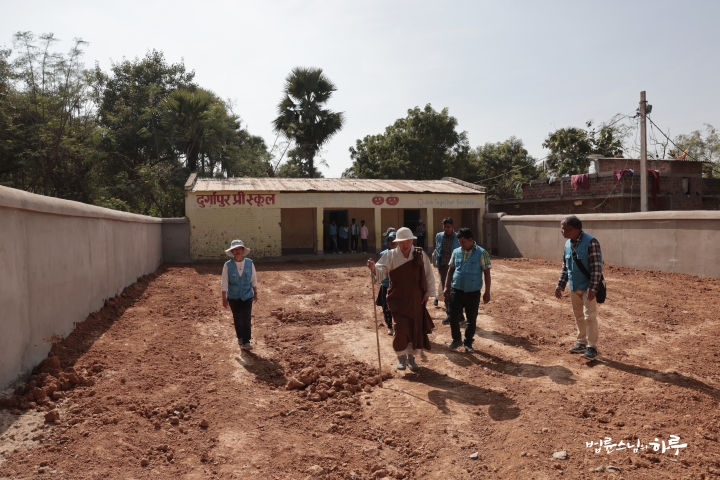
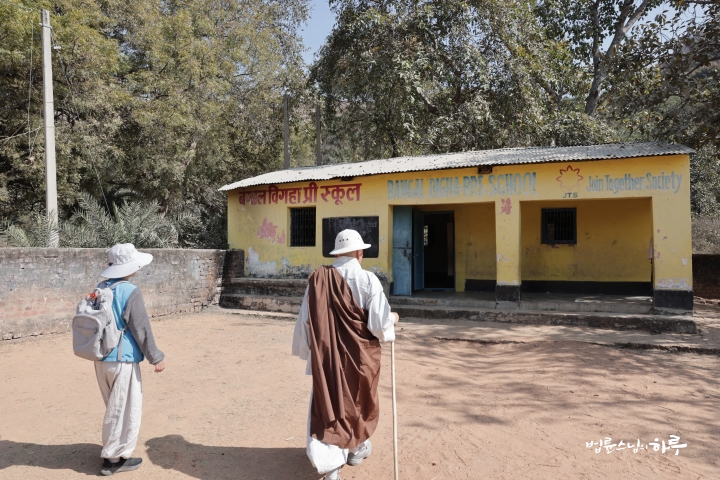
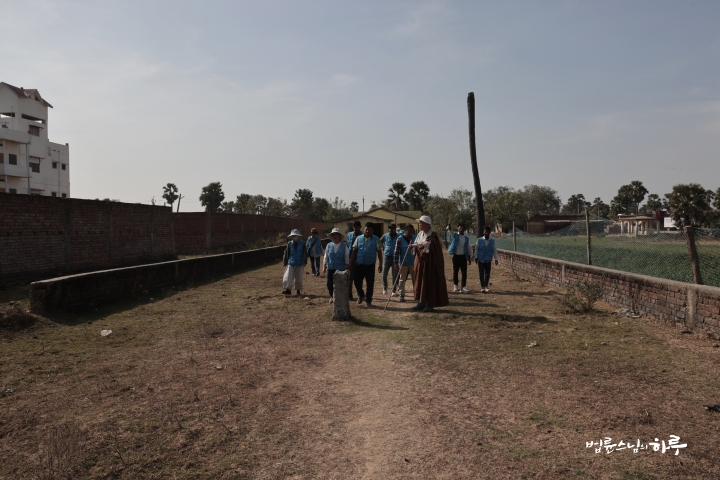
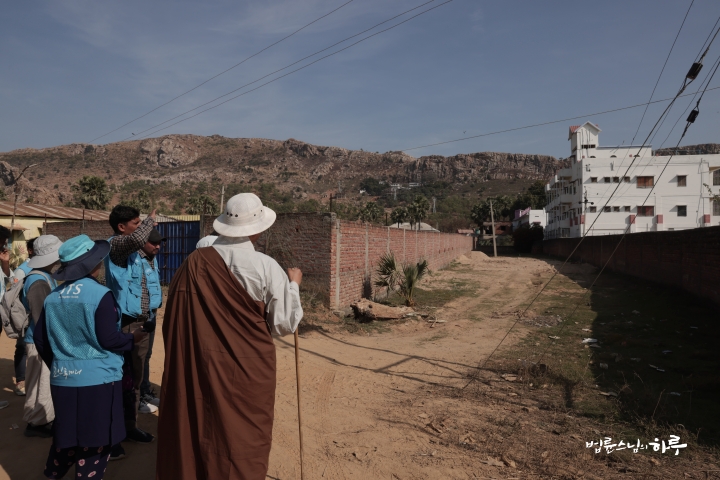
In each village, they inspected the preschools, checked drainage systems with village leaders, and confirmed what each village needed. The most common request was for drainage facilities. Sunim promised to provide materials if residents in each village would directly maintain the drainage systems.
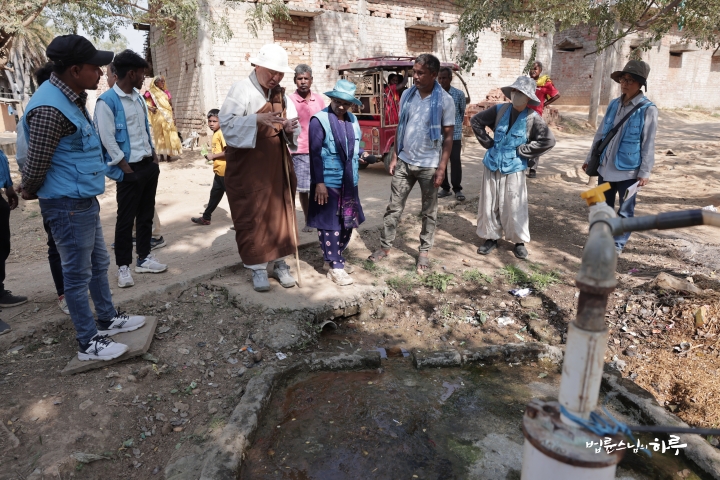
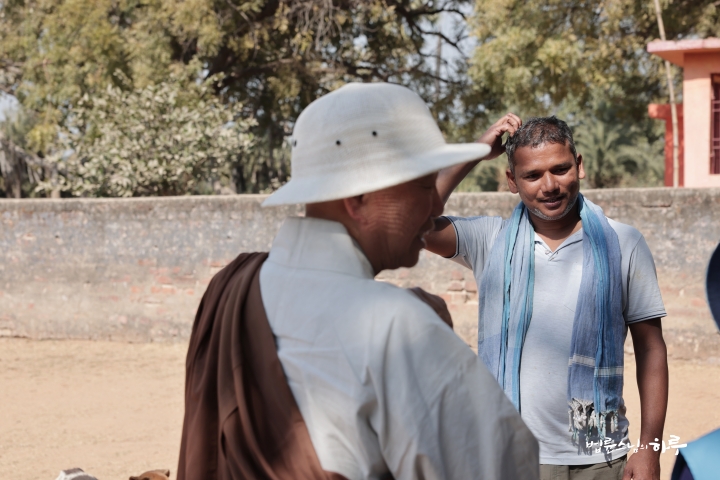
Finally, after inspecting the open space around Jagdishpur school, they returned to Sujata Academy at 3 PM.
Upon arriving at Sujata Academy, they held a meeting to organize the survey findings. Village development coordinator Sambu, school coordinator Ajay, preschool coordinator Rahul, and Korean staff members who had accompanied the day-long survey attended. Sunim summarized the tasks identified during today’s survey into five categories:
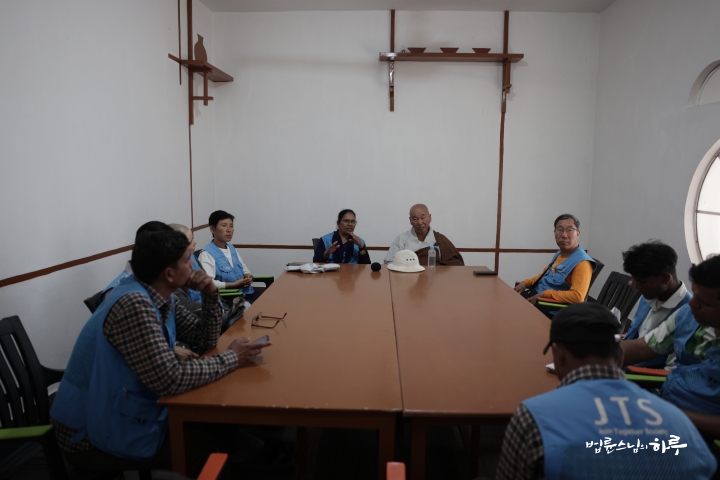
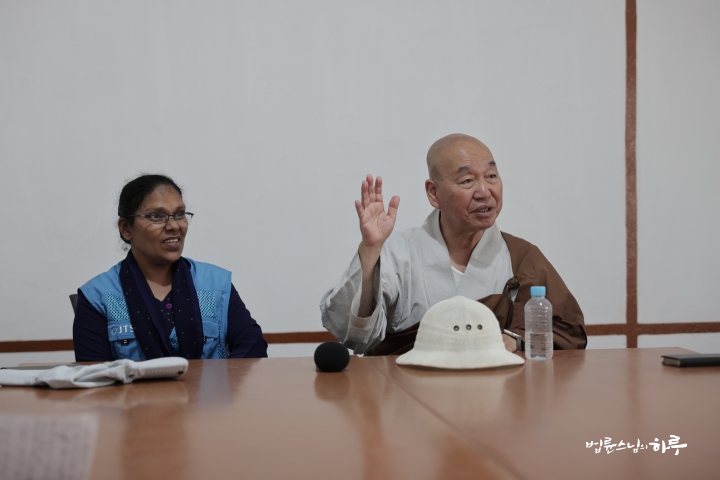
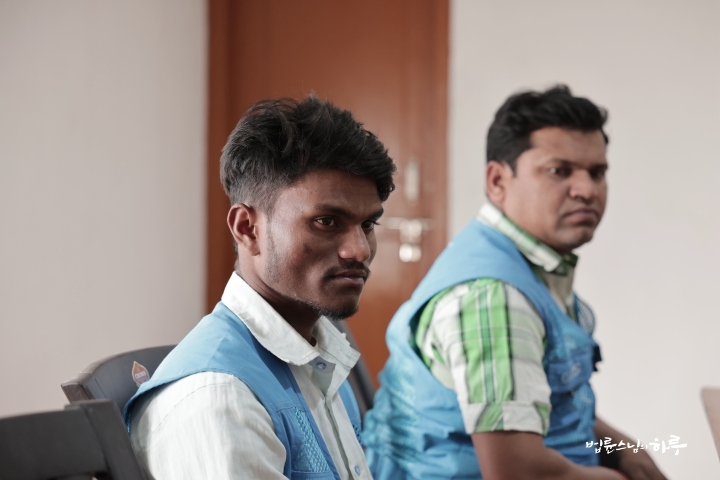
Sunim concluded with a smile.
“Everyone worked hard during today’s field survey. We have an outing scheduled for tomorrow, right? Since we plan to leave early tomorrow as well, please go in early today and get plenty of rest.”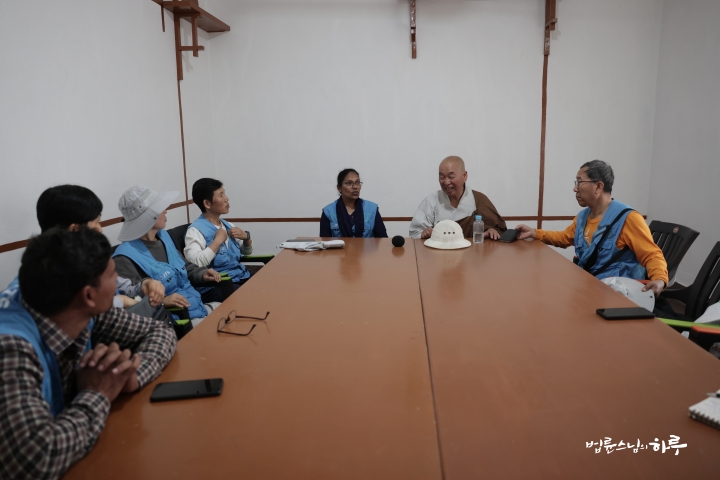
The meeting ended at 3:30 PM. Sunim hurriedly prepared and began the Dharma Q&A broadcast at 4 PM. With about 2,900 people connected to the YouTube live stream, Sunim gave his greeting.
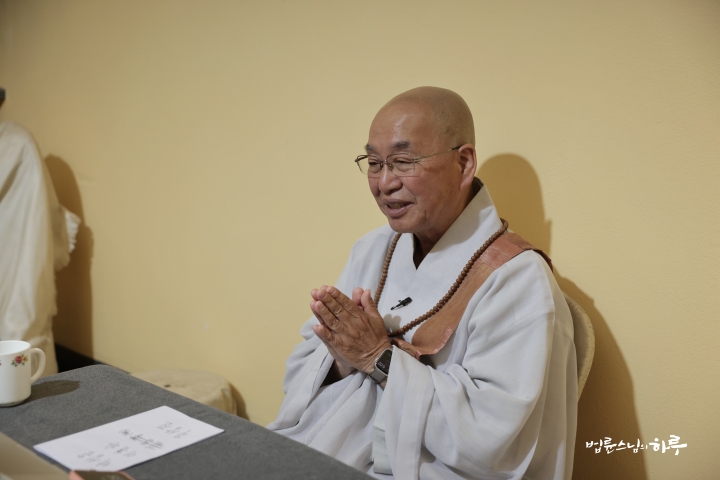
He then had conversations with those who had submitted questions in advance. During the hour, three people pressed the hand-raising button to ask Sunim questions. One of them expressed feelings of injustice, feeling like they were losing out by living honestly while watching people who live dishonestly yet prosper.
People Who Live Dishonestly Yet Prosper… Am I Losing Out by Being Honest?
“I know many people. While there are many good people, I also see quite a few who live very badly. I’ve seen people who hide their assets while receiving near-poverty level support, driving luxury cars and buying designer goods. I’ve also seen children enjoying money their parents earned through predatory lending without any qualms. Whenever I see this, I question whether the religious teaching that ‘those who commit evil deeds will be punished’ is really true. Sometimes it seems like those who live virtuously have harder lives. Having raised my children without properly receiving child support while faithfully paying taxes, I feel even more resentful. If those who commit evil deeds are punished, when and how does this happen? And if they repent later and decide to live virtuously, do their previous sins disappear?” 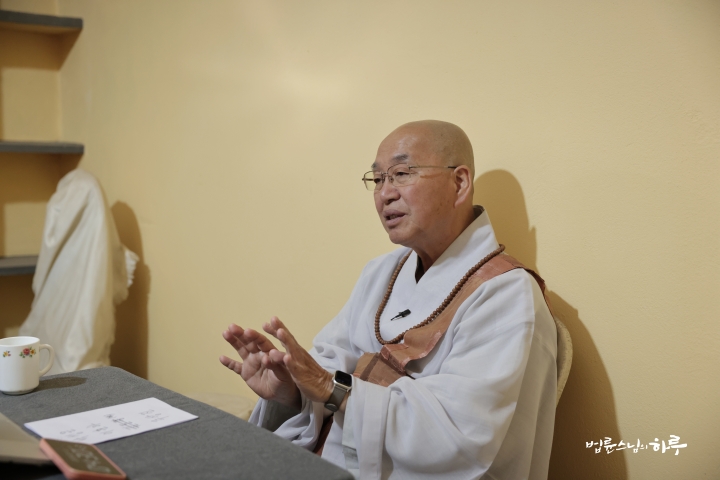
“I think the bad person would catch more.”
“Whether someone catches a lot of fish or a little isn’t determined by moral standards of being good or bad, but by technical matters like knowing where fish gather, having good nets or boats, and having rich experience. Whether that fisherman helped someone in need the day before or lied to someone has no effect on fishing.”“When I think about it that way, I understand.”
“But you’re asking, ‘Why does that unethical person live well while I, who am ethical, live in hardship?’ You’re connecting things that aren’t related. Being good or bad is related to being respected or criticized, not directly related to making a lot or little money. Making money is a technical matter.” “A good person with skills will be praised and have economic comfort. A good person without skills becomes a virtuous but poor person. A bad person with skills can be criticized yet economically wealthy. Living virtuously means living with praise and without criticism, not necessarily living well economically.” “Think about the Japanese colonial period. Those who collaborated with Japan lived well economically but were criticized by the people. Their children went to good universities and studied abroad thanks to their parents’ economic power, but after independence, they became children of traitors overnight. Doing bad things always carries this risk and lacks stability. Even if things go well, if fraud is discovered, everything collapses in an instant.” “On the other hand, this doesn’t happen to people who live righteously and honestly unless there’s an accident. Living virtuously doesn’t necessarily mean making a lot of money, but it greatly reduces life’s risks. That’s why we teach people to live virtuously.”“I understand what you mean. But in cases like getting into college through near-poverty level benefits, children enjoy these benefits without knowing their parents’ wrongdoing. I’m also curious if karmic obstacles are really eliminated through repentance prayers.”
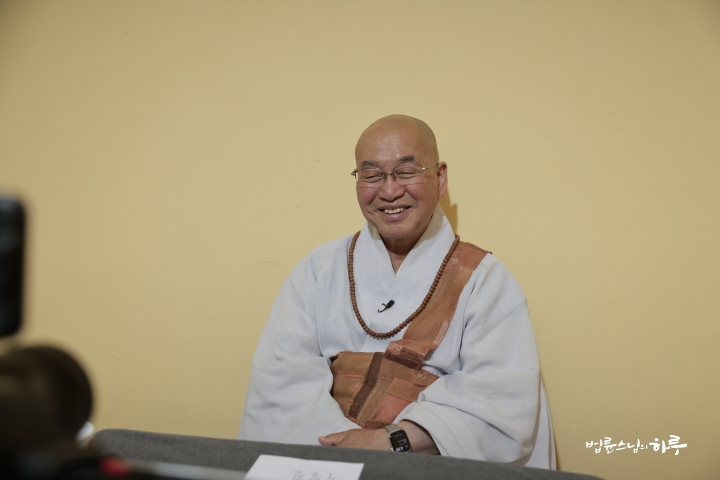
“Listening to Sunim, I realized I’m still very lacking for not being able to let go of my desire to see wrongdoers punished. Though I’ve read the sutras many times, I see I’ve been lacking in daily practice.”
“Just realizing that you had a punitive perspective and discriminating mind that judges right and wrong is already great learning. Don’t be ashamed of it. Reading sutras isn’t unnecessary. However, it shouldn’t end with reading; we need practice to embody even a little of the teachings and wisdom found there.”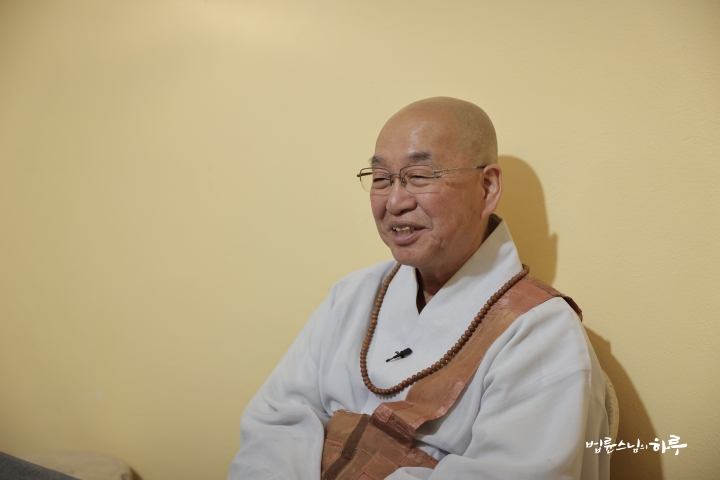
Questions continued to follow.
If I’m in an isolated situation where I can neither give nor receive help from anyone, should I first make efforts to go out and meet people rather than practice?
After starting meditation, I felt I was growing into a better person. But lately, I doubt whether I’m just comforting myself under the name of ‘mental victory.’
An hour passed quickly after finishing the conversations. Although the connection was interrupted due to poor local internet conditions, they were able to complete the dialogue successfully.
After the broadcast, Sunim discussed tomorrow’s JTS India staff outing schedule with Dharma Teacher Bogwang (보광 법사). He had dinner at 5:30 PM, edited manuscripts, and concluded the day.
Tomorrow, he plans to go on an outing (소풍) to Rajgir with the JTS India staff.