What Should I Do First After Retirement?
Oct 10, 2024 - Istanbul Historical Site Tour, Dinner at Consul General's Residence
Hello. Today, we planned to visit historical sites in Istanbul and have dinner with the Consul General at the Korean Consulate General’s residence in Istanbul.
After completing his early morning practice and meditation, Sunim had breakfast at the accommodation and headed to Gaziantep Airport at 7:10 AM.
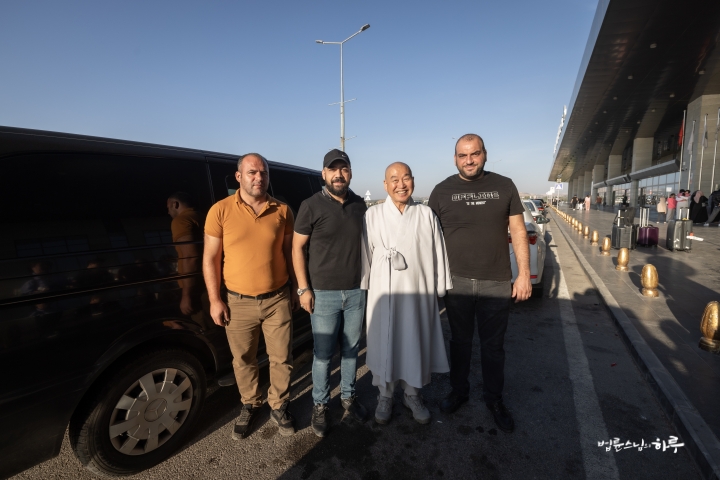
Upon arriving at the airport, Sunim expressed his gratitude to the White Helmets members who had driven for the past two days, ensuring the successful completion of the schedule, and took a commemorative photo with them.
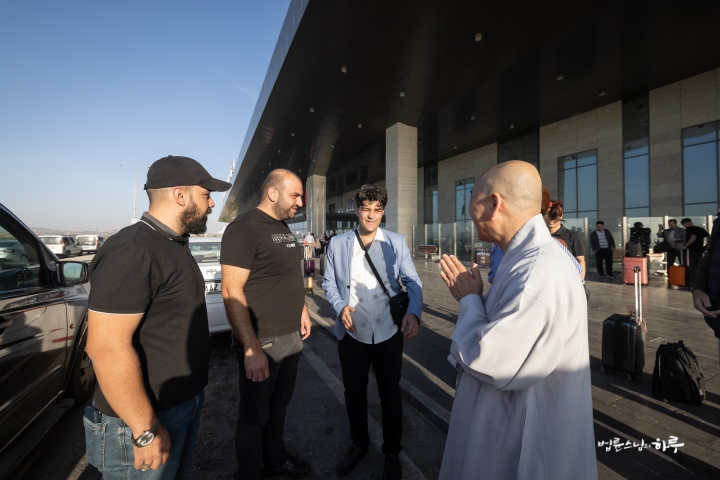
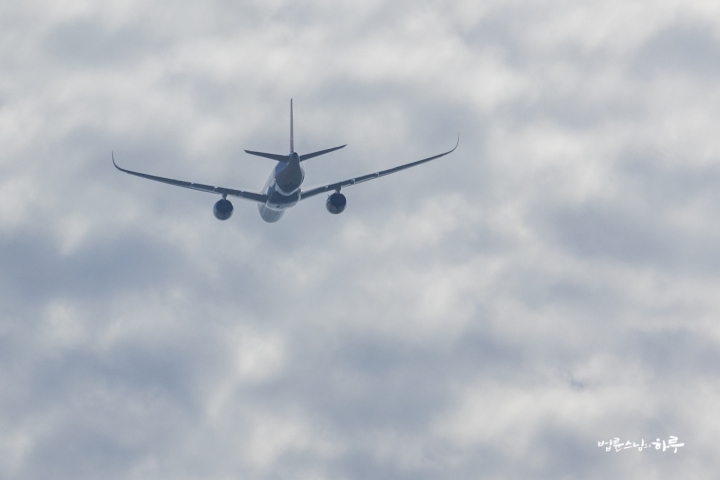
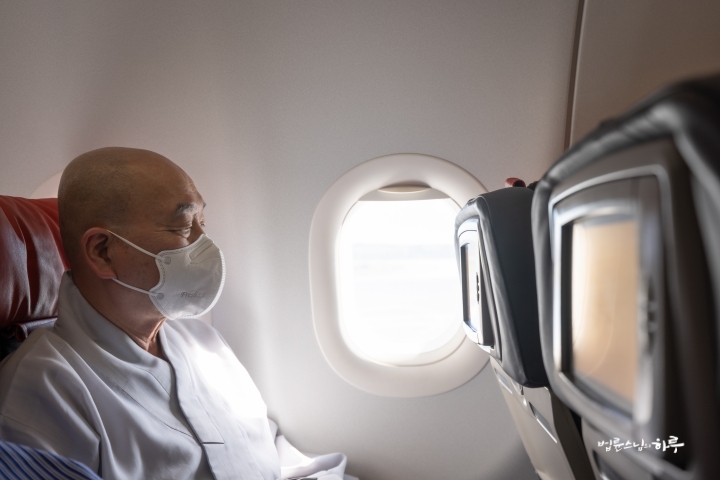
The plane that departed from Gaziantep Airport at 8:55 AM arrived at Istanbul Airport at 10:50 AM after a 1 hour and 55 minute flight.
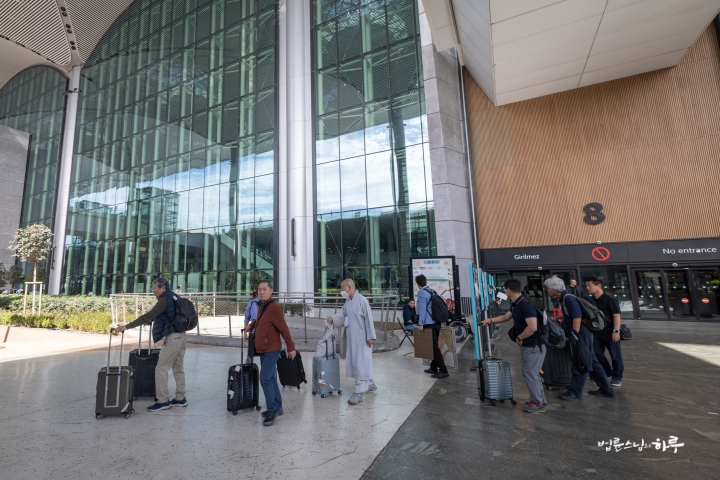
After retrieving the luggage and exiting the airport, the group moved to their accommodation.
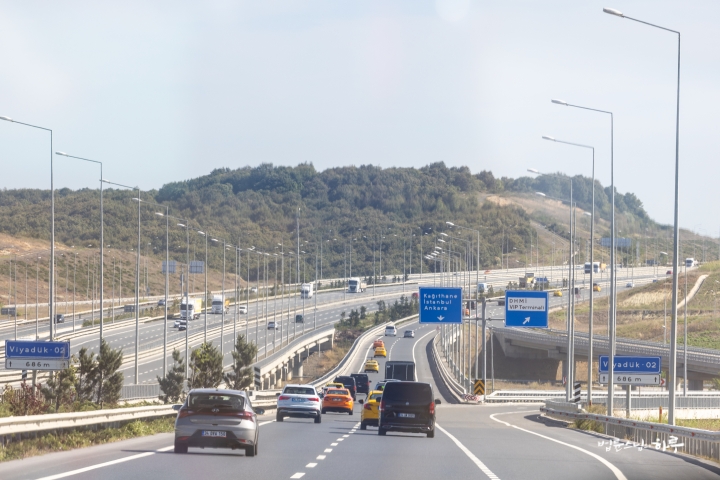
Due to heavy traffic, they arrived at the accommodation at 1:30 PM. After unpacking, they headed to the old city of Istanbul. It was decided to visit some of Istanbul’s most representative historical sites for the guests attending the opening ceremony.
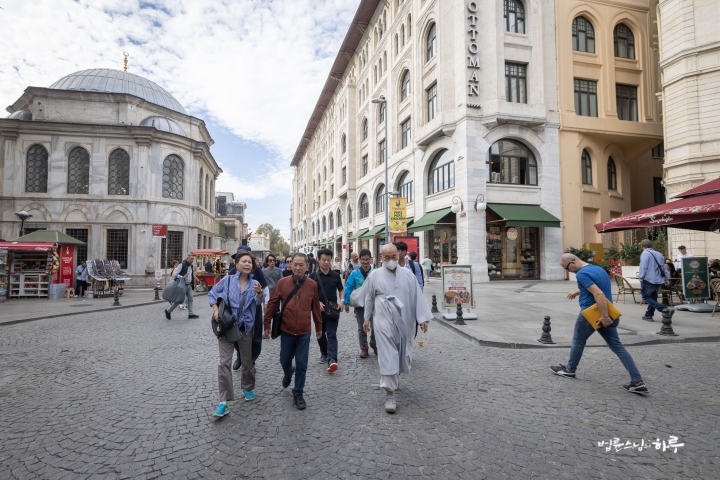
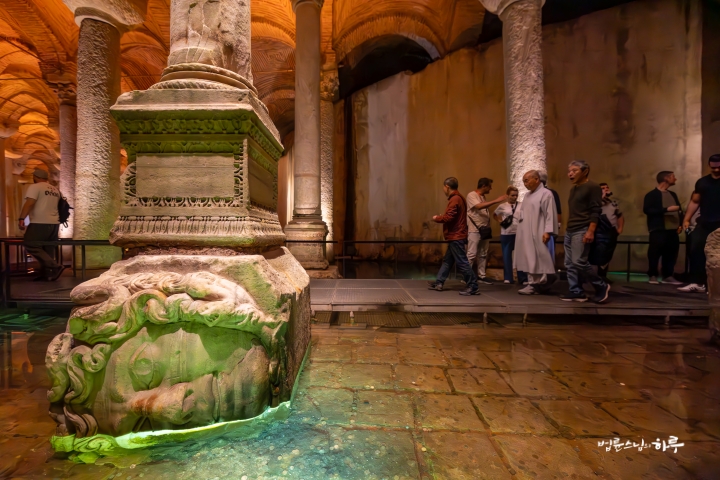
The first place they visited was the Yerebatan Sarnici (Basilica Cistern), famous for its water storage. It’s an underground cistern from the Eastern Roman Empire era, and Yerebatan Sarnici means “sunken palace.” Although called an underground palace, it was actually used as a water storage facility during the Constantinople era. The reason this reservoir is called an underground palace is due to its marble columns with intricate patterns. The total of 336 beautiful marble columns were taken from Greek and Roman temples.
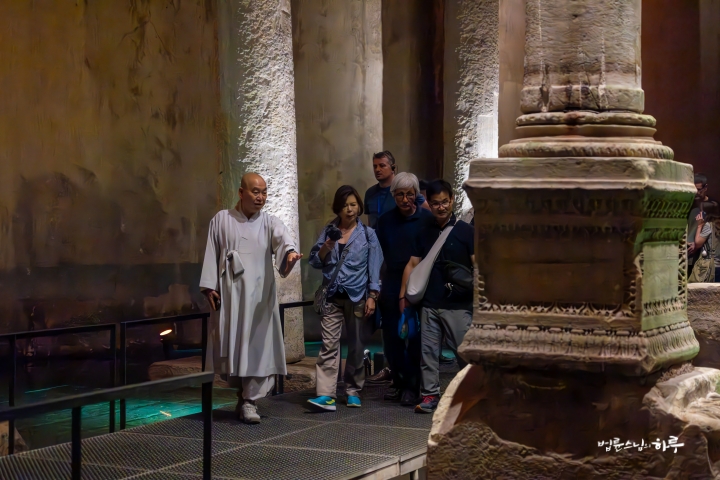
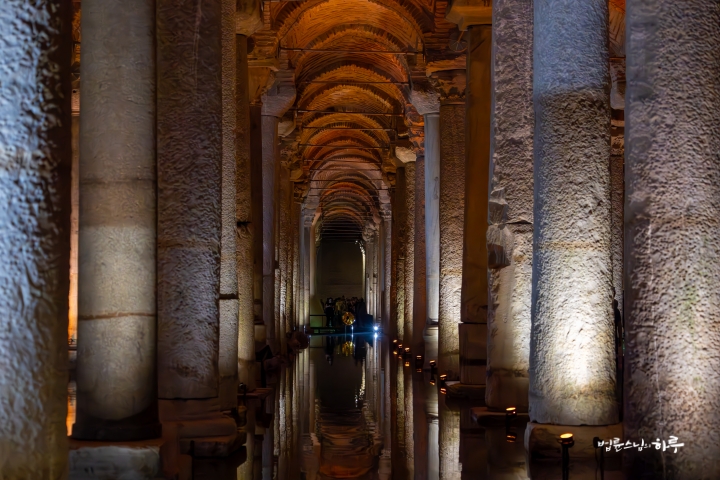
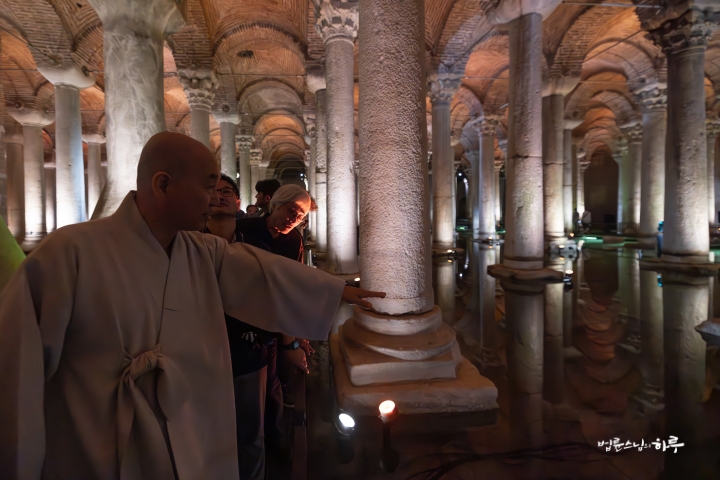
For tourists, the water level is kept low, creating a mysterious atmosphere with the reflections of the stone columns in the water. The sight of countless columns supporting the underground palace was spectacular.
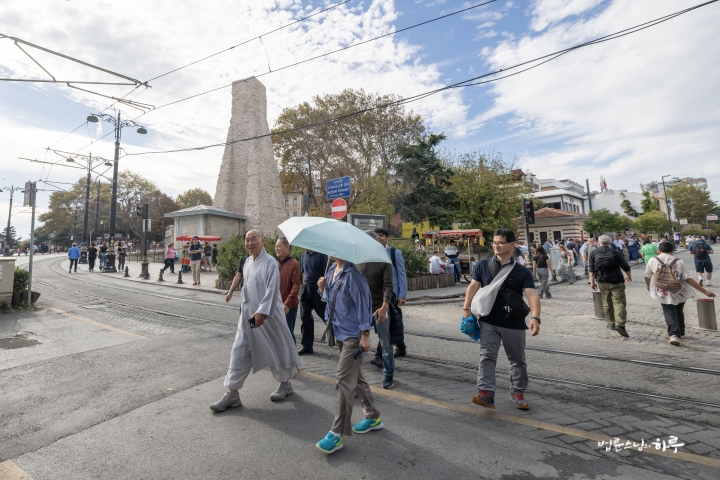
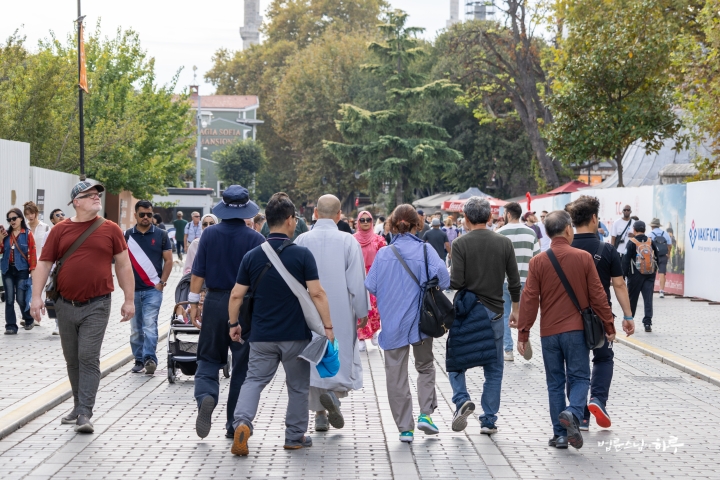
After leaving the underground palace, they headed to Hagia Sophia. Istanbul is a place where traces of ancient civilizations, Greek and Roman, and the Ottoman Empire coexist in various forms. Sunim explained why traces of various civilizations intersect here.
Istanbul: Where Traces of Various Civilizations Intersect
Originally, Greece was not a Christian country, and neither was Rome. However, in 313 AD, the Roman Empire officially recognized Christianity, and in 326 AD, it adopted Christianity as the state religion, completely banning pagan practices. The numerous stone columns we saw earlier in the underground cistern were all taken from Greek or Roman temples. If you go to the Istanbul Archaeological Museum, you’ll find more Greek and Roman civilization relics than in Rome itself.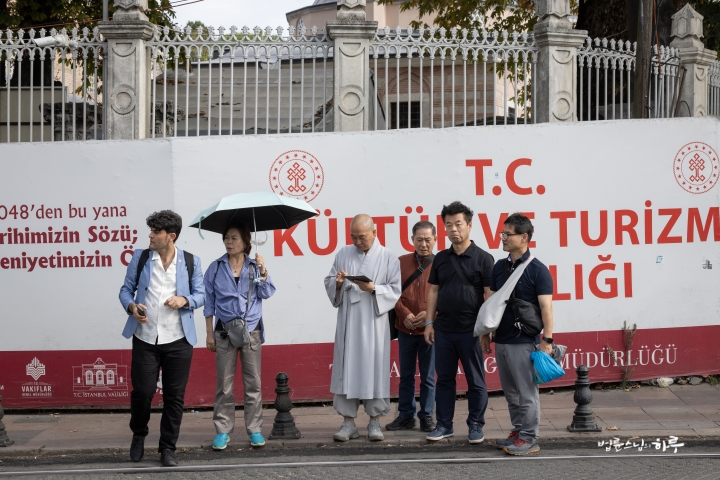
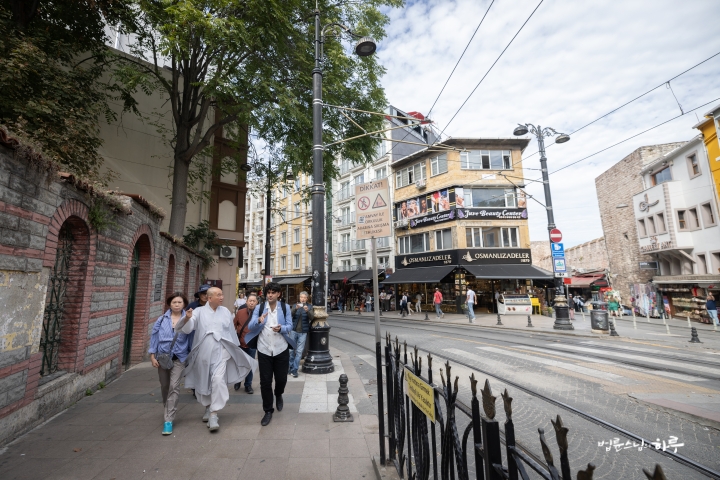
Due to this history, Istanbul is home to a diverse array of Greek, Roman Byzantine, and Ottoman Empire relics.
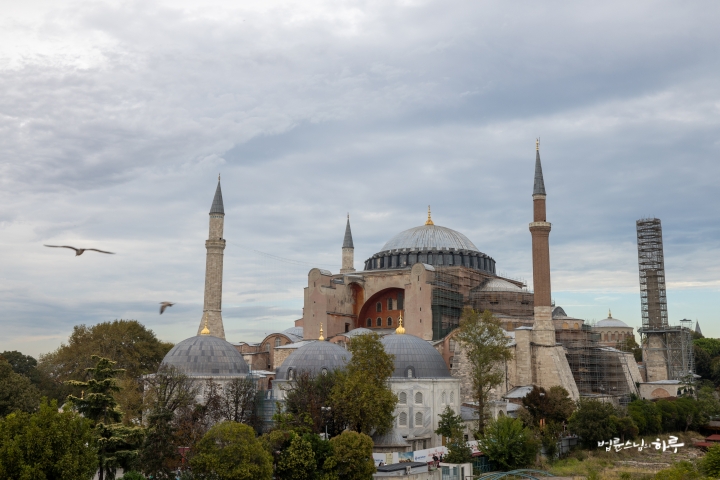
As we walked, the towering Hagia Sophia soon came into view. Known as “Aya Sofya” in Turkish, it is a prime example of surviving Byzantine architecture and one of the world’s most renowned buildings.
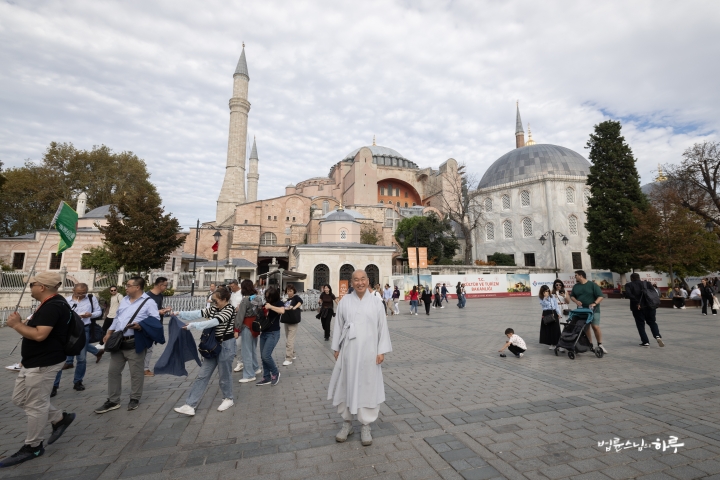
From 573 to 1453, it served as a Greek Orthodox cathedral and the seat of the Ecumenical Patriarch of Constantinople. After the Ottoman conquest of Constantinople in 1453 until 1931, it was used as a mosque. Recently, it has been functioning as both a mosque and a museum.
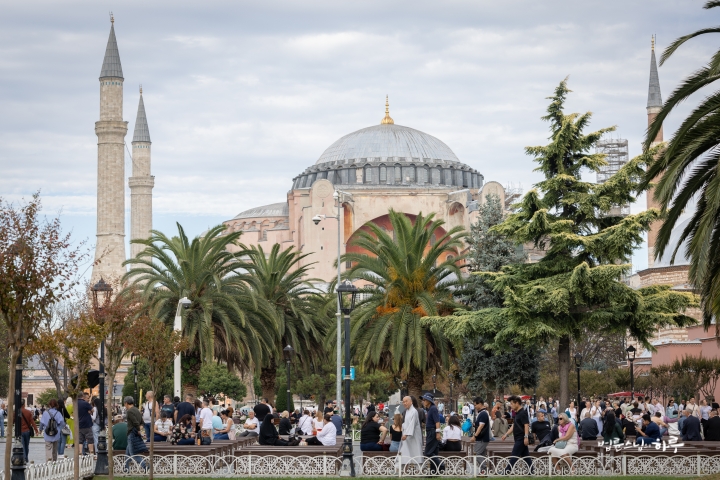
Without entering the Hagia Sophia, we only viewed its exterior before moving on to the Sultan Ahmed Mosque (Sultan Ahmet Camii).
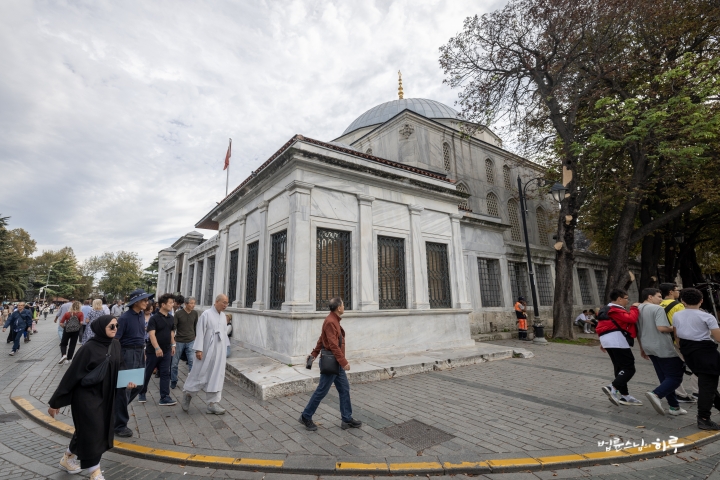
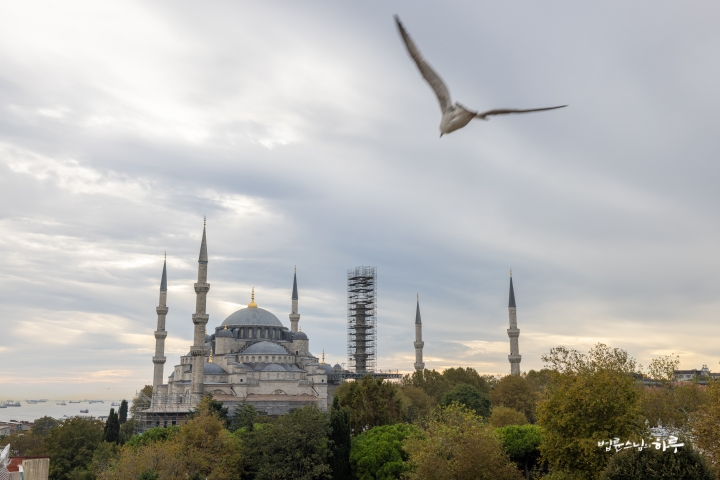
Construction of this mosque began in 1609 under the order of Ottoman Sultan Ahmed I and was completed in 1616 after seven years of work. It is considered one of the most beautiful mosques in the world and is also known as the Blue Mosque due to the blue tiles covering its interior walls. While the Hagia Sophia’s massive dome was completed in 537, the Blue Mosque was finished in 1616, a difference of 1,079 years.
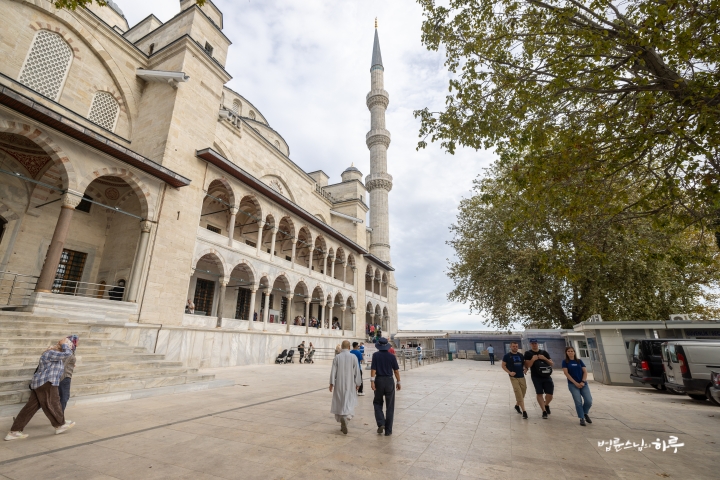
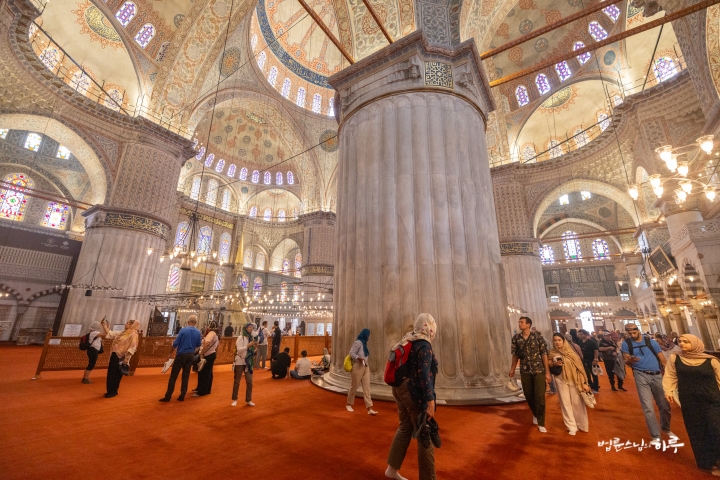
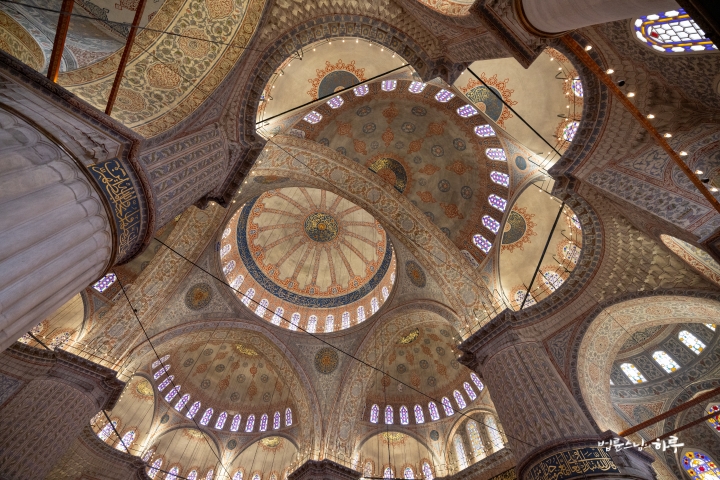
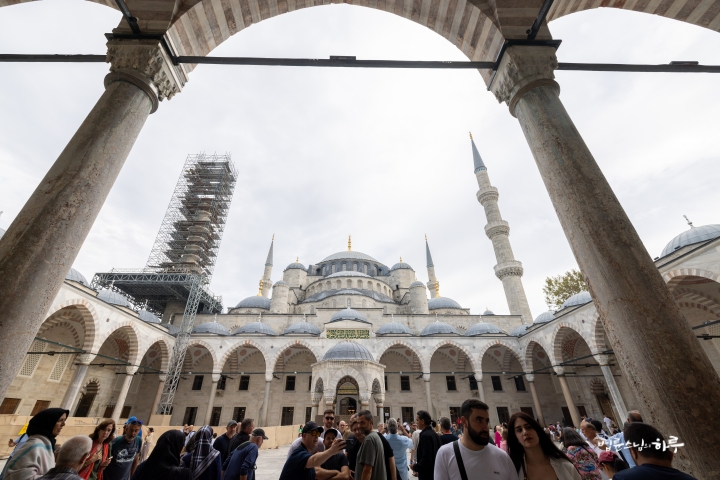
The massive dome inside is supported by four enormous pillars. These pillars, built to withstand the weight of the dome, have a diameter exceeding 5 meters and are nicknamed “elephant legs.” The mosque’s white marble pulpit is intricately carved with arabesque patterns. It is the only mosque in the world with six minarets.
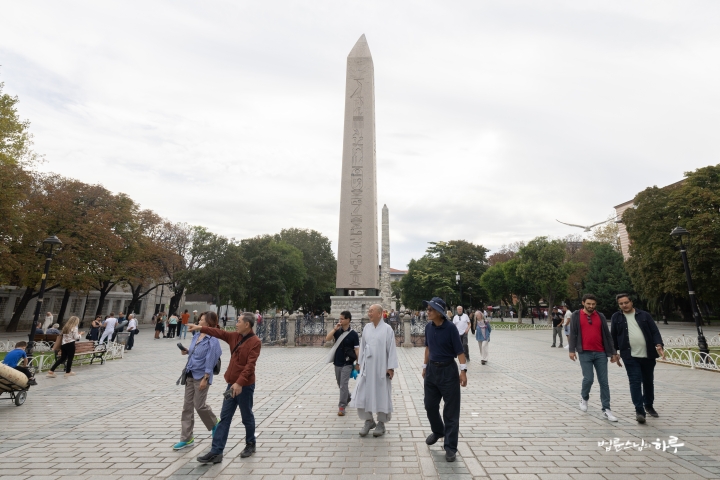
After visiting the Blue Mosque, we came upon the Hippodrome Square. Once an ancient Roman chariot racing stadium, it is now a popular park for Istanbul’s citizens.
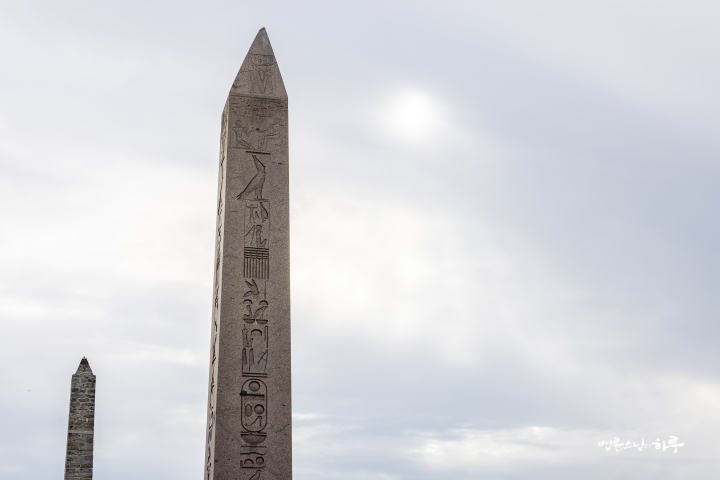
An obelisk stands tall in the square. Its origin dates back to 3000 BCE in Egypt. Brought from the Temple of Amun in Karnak, it is also known as the “Egyptian Obelisk.” It’s a relic that was moved from Egypt to Istanbul.
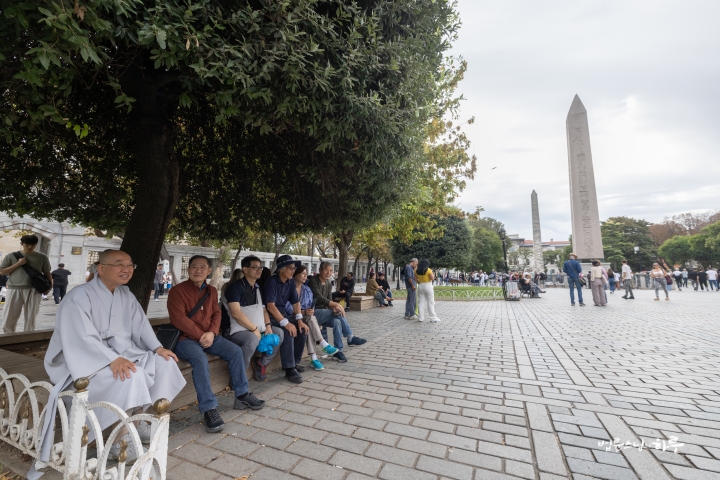
After a brief rest at Hippodrome Square, we moved to a café offering a panoramic view of Istanbul’s old town.
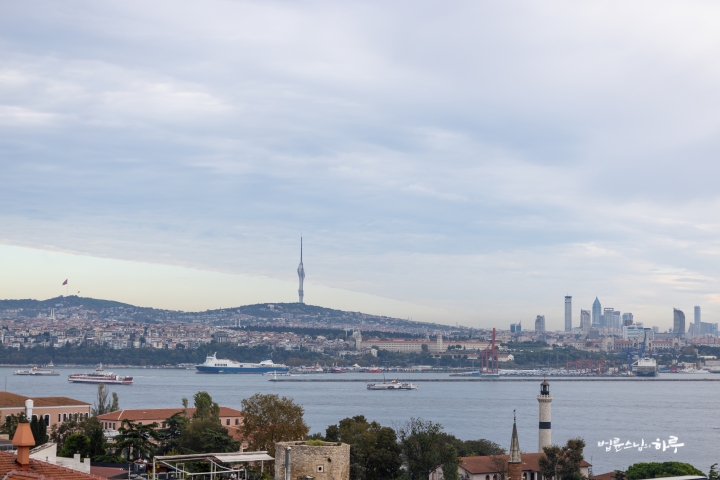
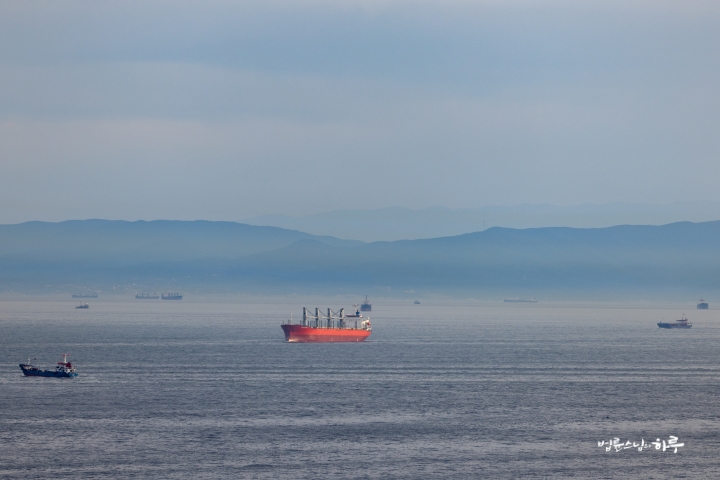
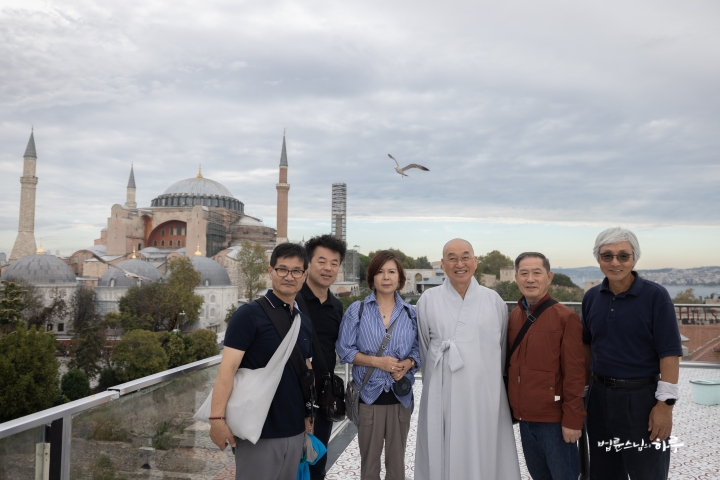
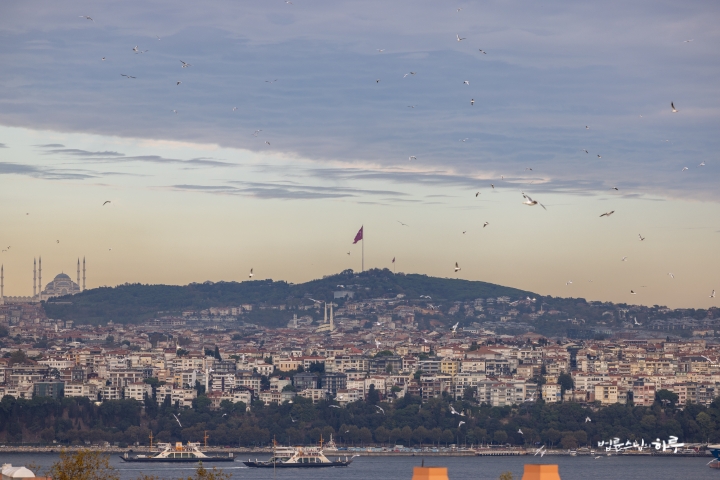
In the distance, we could see the Hagia Sophia, the Sultan Ahmed Mosque on the opposite side, and the Bosphorus Strait. While enjoying a cup of tea, Sunim explained the history of Istanbul to the JTS delegation.
After leaving the café, the JTS delegation returned to their accommodation, while Sunim headed to the Consul General’s residence at 6 PM. Upon hearing of Sunim’s visit to Turkey, the Consul General had invited him for dinner. The former president of the Korean Association accompanied Sunim to the residence.
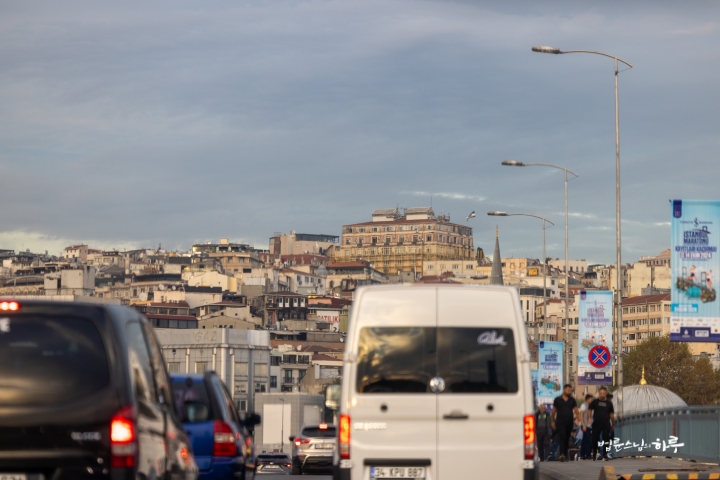
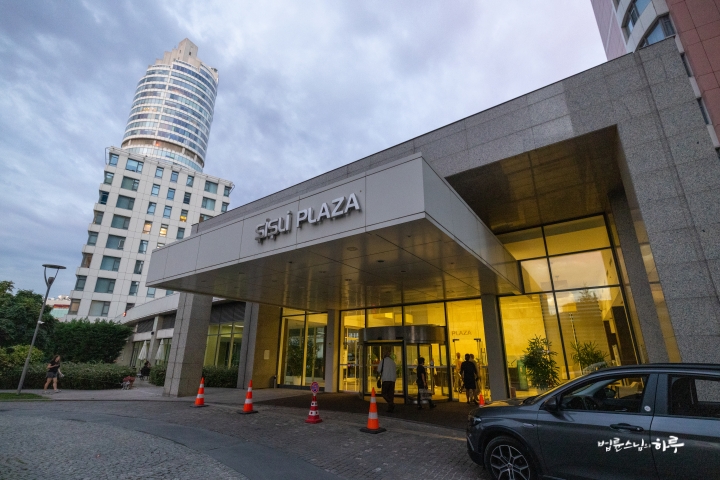
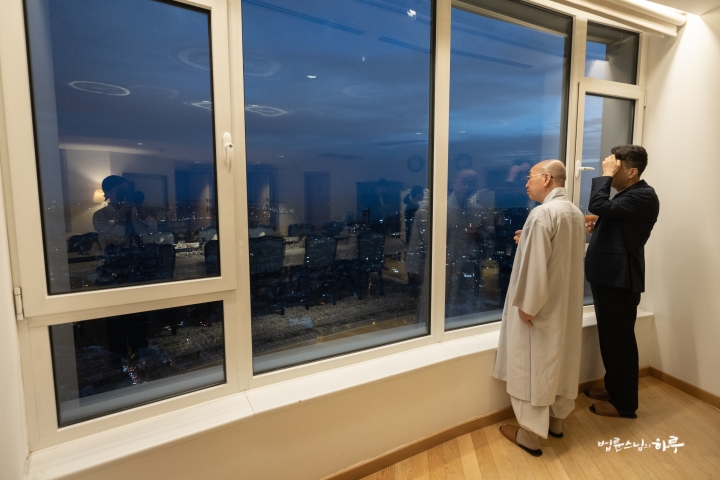
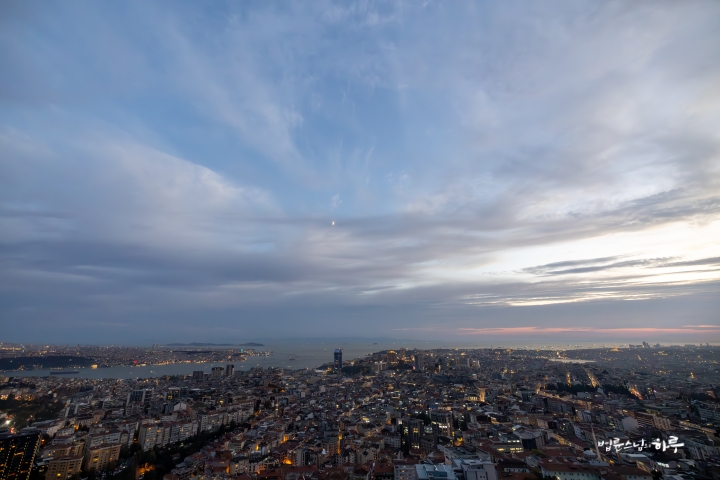
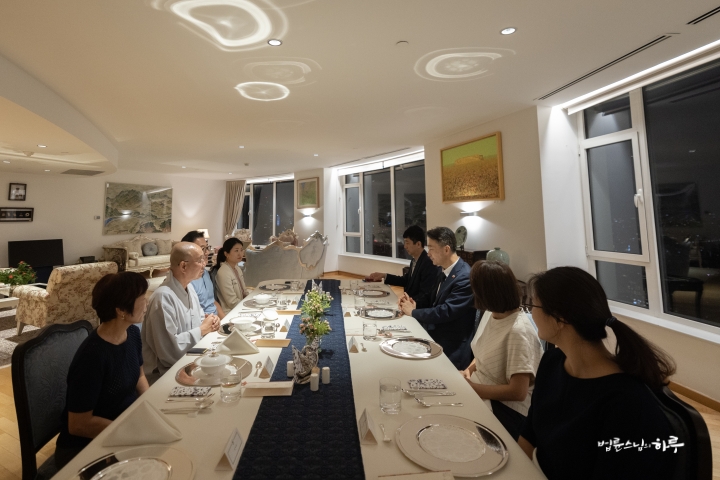
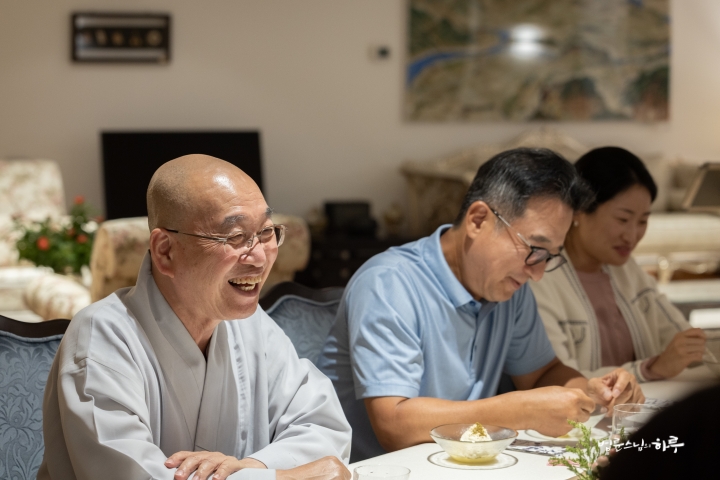
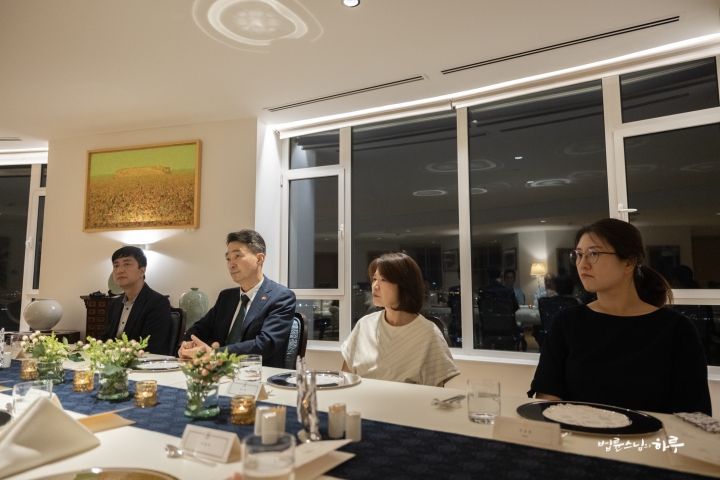
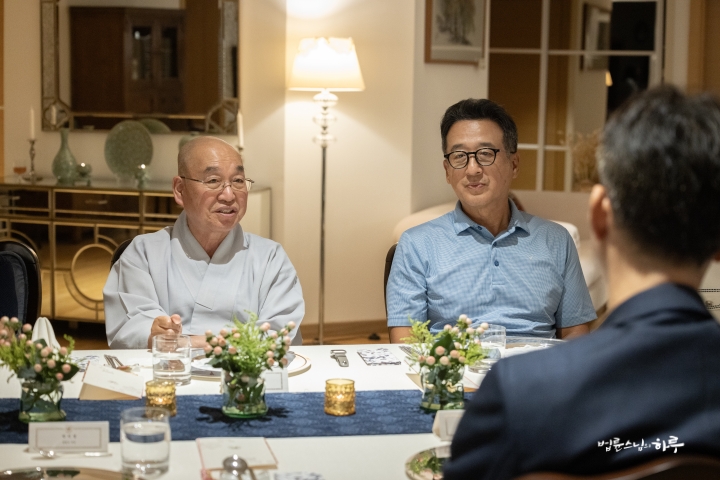
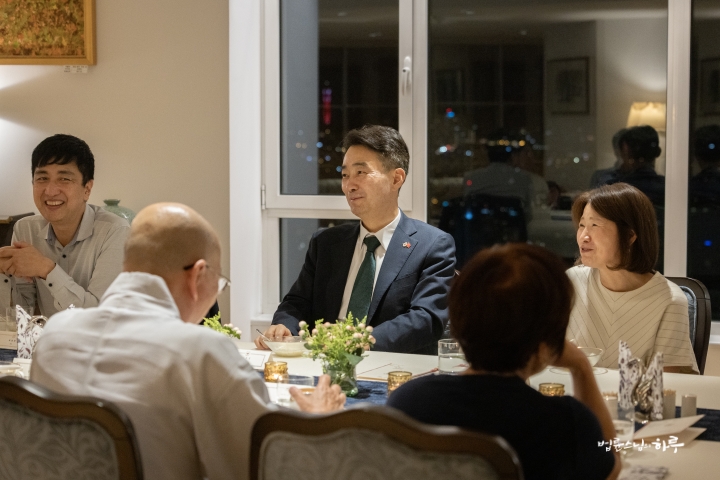
The Consul General warmly welcomed Sunim. The residence offered a panoramic view of the entire Istanbul cityscape. After listening to the Consul General’s explanation of Istanbul’s beautiful night view, they had dinner and engaged in conversation.
First, Sunim shared the news of the newly completed school in the Turkey-Syria border region, which had been destroyed by the earthquake.
Remaining Tasks After the School Completion Ceremony
The primary phase has been completed with the school completion ceremony. However, there are still many tasks remaining. We promised to buy shoes for all the students. Since we need to ensure that each student is properly registered in order to measure their shoe sizes accurately, we were unable to distribute the shoes on the opening day. We could prepare backpacks in appropriate sizes for elementary, middle, and high school students, but shoes need to be fitted individually. There’s also work left to install bars on the windows to prevent children from falling, provide experimental equipment for the science lab, arrange books in the library, and set up computers in the computer room. We installed about 60 solar panels on the roof, so there’s sufficient electricity. Although there are still additional tasks, we handed over the school to the Department of Education yesterday at the completion ceremony. The Department of Education will take the lead in operating the school, but how to complete the remaining work is a challenge.Additionally, there are many schools that collapsed due to the earthquake. We’ve told the local residents and parents that if they provide labor, JTS will support the construction materials. It’s JTS’s principle not to simply say ‘Please fix the school,’ but to encourage them to repair it voluntarily.
The biggest challenges are eradicating illiteracy, repairing schools, and normalizing elementary education. These are the three main tasks. Although I make the initial proposals, progress can only be made if they agree to do it. If they refuse, there’s nothing we can do. When I conduct relief activities, I consider the residents’ voluntariness as the most important factor. If they decide to do it, JTS will find ways to support and help them.“Sunim, your approach to relief activities seems to have many lessons to learn from.”
The Consul General asked Sunim various questions about relief activities in the earthquake-affected areas.
“Sunim, your religion is Buddhism, but the areas where you conduct relief activities are mostly Islamic. Are there any constraints in carrying out relief activities?”
“Wherever I go, I never engage in any religious activities. Even in the Philippines where there are Muslim rebels, I never talk about religion or try to impart any religious teachings. I simply provide an environment for children to study by building schools. It has nothing to do with religion. For example, if I go to an ophthalmologist because my eyes hurt, it doesn’t matter whether the doctor is Christian or Buddhist. Religion is just a matter of personal faith. In that sense, there are no constraints at all.”“I majored in Arabic and took many classes related to Islamic religion. My professor always said that Muslims understand Buddhism less than Christianity. This is because they believe in monotheism, so they are more sensitive to Buddhism than Christianity, and to atheists more than Buddhism. So I was curious how they would view you when you work in your Buddhist robes.”
“Then how were the funds for building the school raised?”
“There are some donations collected by JTS supporters in Korea, but this earthquake relief support was provided by JTS USA. Many people attend Dharma Q&A sessions both domestically and internationally. Most of them express gratitude, saying they received help when they were in difficulty, or they were about to die but survived thanks to the help, or they were about to get divorced but didn’t, or they received a lot of help to overcome difficult times. When they do, I encourage them to participate in helping those in need. Then they donate a little bit of money. JTS has a principle of ‘supporting the most difficult places’. We don’t deliberately seek out conflict areas, but naturally end up in conflict areas as we look for the most difficult places.”“Sunim, you must need ten bodies to do all this work.”
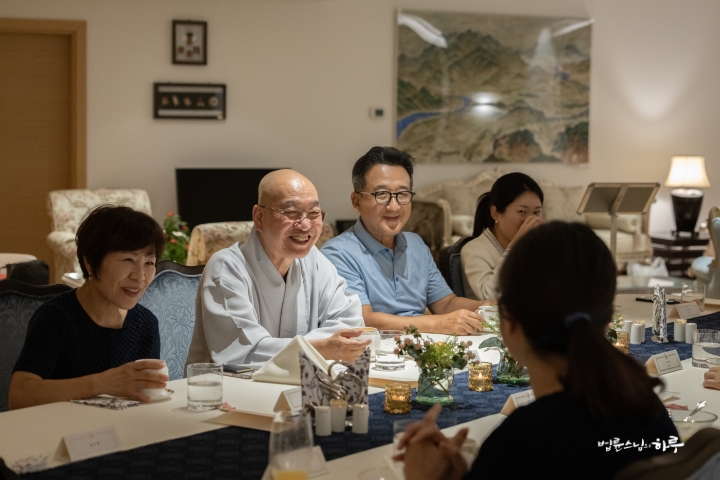
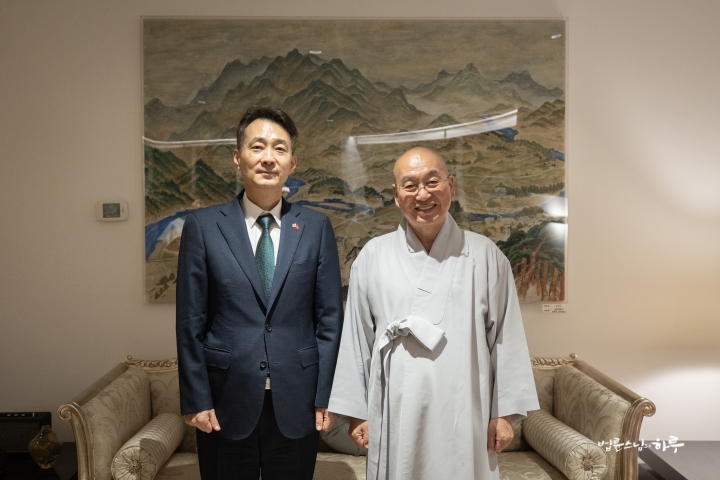
After the conversation, we took a commemorative photo with the Consul General and the consulate staff.
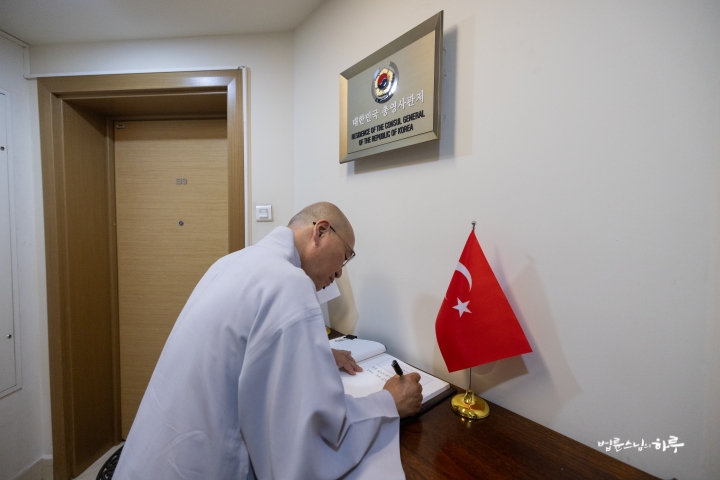
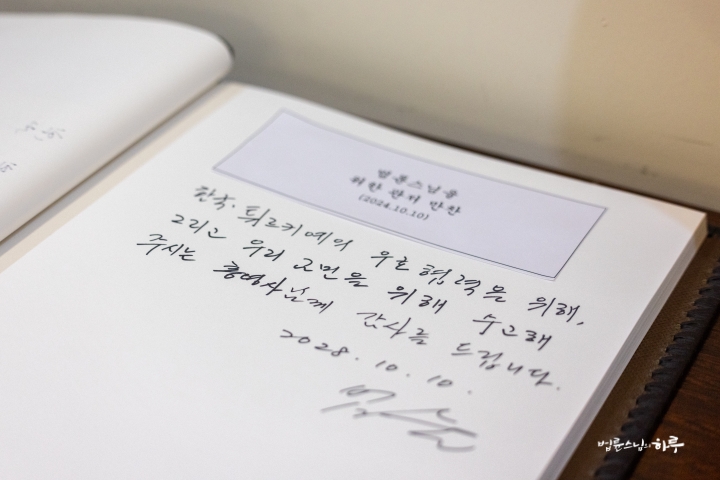
After leaving a message in the guestbook, we left the consulate, promising to meet again on the next visit.
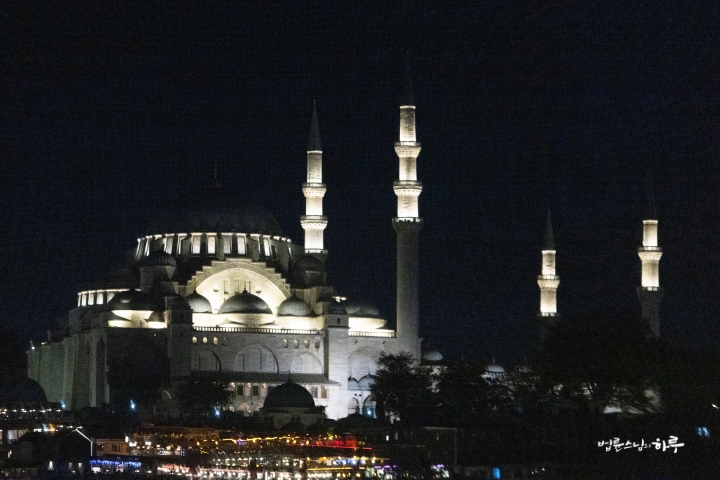
The night view of Hagia Sophia and the Blue Mosque was truly beautiful.
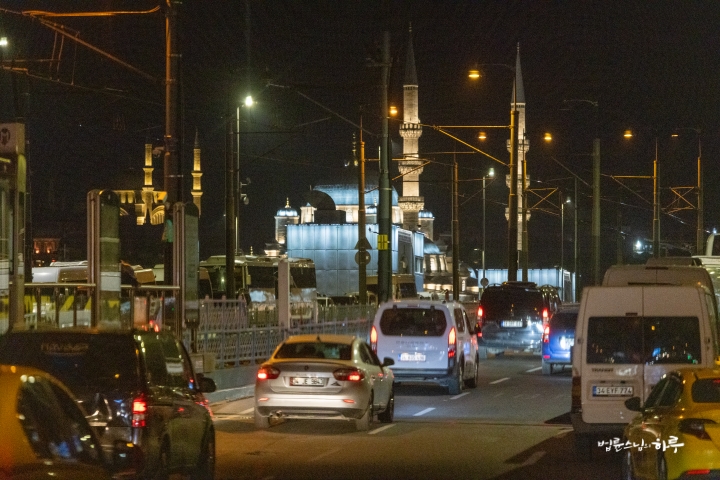
We arrived at the accommodation at 10 PM and concluded today’s schedule.
As there was no Dharma talk today, This article will conclude this post by introducing a conversation between a questioner and Sunim from the Happy Dialogue lecture held in Changwon on the 30th of last month.
What Should I Do First After Retirement?
“This December marks my 30th year in the workplace. I have to retire in three years. After writing this question, I wondered if Sunim could answer it. (Laughs) Because the content I’m going to ask about today is related to family life and workplace retirement, both of which Sunim hasn’t experienced, I feel awkward asking.”
“Yes, it’s not polite to ask.” (Laughs)“Looking back from three years before retirement, I’ve spent more time with my colleagues than with my wife over the past 30 years. But lately, when I look at my colleagues’ faces, I feel a sense of boredom. I know everything just by looking at their faces or eyes, so it’s not interesting. Moreover, with retirement approaching, the work isn’t fun either. I feel like I’ve lost my passion for work, to the point where I wonder if it’s a work slump. Honestly, I want to put more meaning into life after retirement than in my current company life. At work, I just had to do what I was told and what was given to me diligently, but now I have to find work for myself and find happiness in it. When I go out into society and live the second act of my life after retirement, please tell me three things I should absolutely not do, and I will follow them.”
“If you’re not enjoying your current job much, there’s something called early retirement, right? You can apply for that. Why is this such a big concern to ask about? If you take early retirement, you can even get more severance pay, so you can save up a lump sum. You say you want to live a new life after retirement, but from my perspective, it seems like you’re just trying to figure out how to make money in ways other than working in a company. Listening to your question, it seems like you’re about to lose your retirement pay too.After retirement, there are three main things you can do in Korean society. You can’t just live off your savings like eating dried persimmons. First, self-employment. You could open a chicken restaurant or a store. But self-employment, in terms of overall social trends, is often just a way to lose everything at once instead of losing a little at a time. Second, you could invest, whether in stocks or cryptocurrencies. You might think this is better, but it’s also a way to lose your retirement pay all at once. Third, you could get scammed. For example, an acquaintance might come to you and say, ‘I’m starting a small company, if you invest 200,000 dollars, I’ll give you a salary and a position as president.’ You must have worked at a company for about 30 years and reached at least the position of department head, so you can’t just go somewhere and work as a security guard. And you’re not going to do volunteer work either. If someone offers you a position and salary that matches your dignity as an investment condition, you’ll easily fall for it. If you invest there, you’ll almost 100% lose your money. Retired military personnel, police officers, and civil servants often fall for these scams. They seem very clever, but they’re extremely foolish in these areas. When you retire and try to ‘do something’ in society, you should consider that over 90 percent of attempts fail.
So what should you do after retirement? The first thing you should do is put on an apron.”
“Yes, I’m thinking about that.”
“As soon as you retire, don’t do anything else, just go to your wife and say this: ‘Honey, you’ve been through a lot living with me for the past 30 years. I’ve always wanted to help you, but I couldn’t because of my work. I didn’t even say I wanted to help properly because it would seem insincere to just say I wanted to help when I couldn’t actually do it. But now that I’ve retired, I’ll do the housework. You can step away from household chores. I’ll cook, clean, and do laundry every day.’ Changing direction like this is the first thing to do. This is more important than earning more money. If you put on an apron and do housework for just three years, you’ll avoid the three risks of being scammed that I mentioned earlier. The probability of being scammed is highest right after retirement. After about three years, the probability decreases. After three years, scams stop appearing attractive to you. By doing this, the invisible coldness between you and your spouse will disappear, and you can live like newlyweds.
Once you get through this period, your marital relationship will become more equal for the rest of your lives. You still have about 30 more years to live, right? In whatever you do, it shouldn’t be a relationship where one person cooks and the other reads a book. Instead, if one person cooks, the other should do the dishes. If one person cooks, the other should clean. By doing this, you can become friends as you grow old together.
If you don’t go through this process, two problems may arise. First, there’s a risk that you might be left behind when moving. Your status in the household could become lower than that of a pet dog. Second, your lifespan may shorten. Men’s average lifespan is about seven years shorter than women’s, and the reason is that they can’t let go of their authoritarian attitudes. Even after retiring, they don’t take the initiative but only expect to be treated well. However, their wives won’t treat them well in such cases. The wife may have endured while the husband was earning money, but now that he’s not, she might say, “Don’t you have hands or feet? Do you only have a mouth?” From the husband’s perspective, this is incredibly hurtful. Already feeling vulnerable after leaving his job, he becomes furious at the thought that even his wife is disrespecting him. Then the wife becomes even more upset and retorts, “You can’t even earn money, and you’re raising your voice?” The fight escalates from there.
“Don’t waste money on investments.”
“Investing isn’t necessarily a waste of money. These are all potentially profitable activities, but they’re not easy. Most investment requests target retirement funds, so there’s a high chance of being scammed. That’s why you need to be very careful about the three things I mentioned earlier.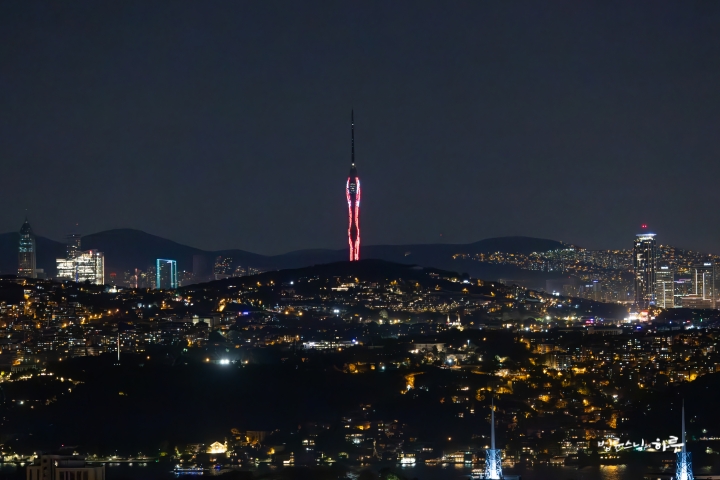
“Yes, I will take your words to heart and make sure to wear an apron for three years. Thank you.”
Tomorrow morning, Sunim plans to visit the Istanbul Archaeological Museum, return to the accommodation in the afternoon for the Friday live Dharma Q&A broadcast, and then fly to Korea in the evening.