People Only Realize the Value of Something After They’ve Lost It.
March 31, 2026. Day 2 of Bhutanese Visitors' Itinerary (Mundang Environmental Agriculture Village, Hongseong County)
Hello. Today is the second day of the itinerary with visitors from Bhutan. After completing his early morning practice and meditation, Sunim had a simple breakfast with the Bhutanese visitors at 6:30 AM in the basement cafeteria of the Jungto Social and Cultural Center.
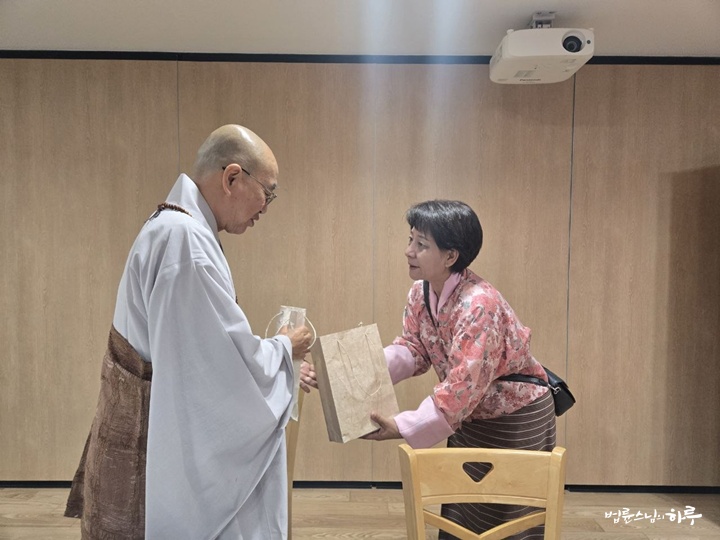
After the meal, Kesang Deki, Secretary to the Cabinet of Bhutan, presented a gift of gratitude to Sunim. As the barugongyang was concluding, there was a brief time for greetings between the Bhutanese visitors and members of the lay Sangha. Sunim introduced each of the Bhutanese visitors. Out of the eight visitors, five who had breakfast (excluding three who don’t eat breakfast) exchanged greetings with the lay Sangha members. Rinchen Dawa assisted with interpretation.
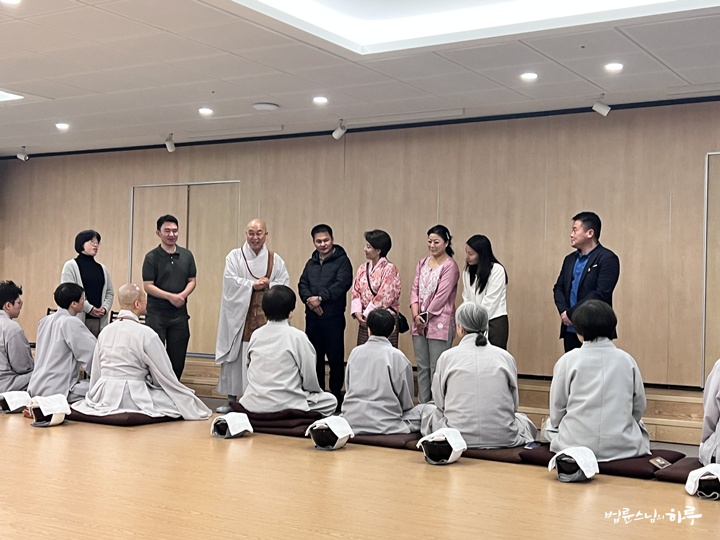
They left the cafeteria with applause from the lay Sangha members. After gathering their belongings and loading them into two vehicles, they departed for Mundang-ri, Hongdong-myeon, Hongseong County.
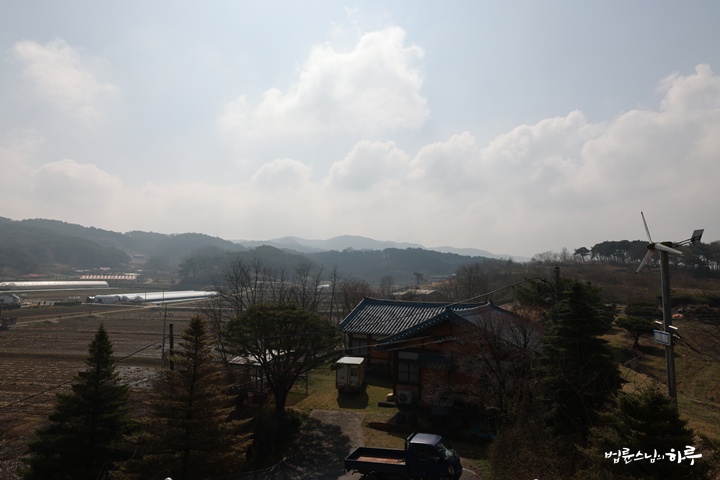
Today’s destination was Hongseong Mundang Environmental Agriculture Village, a place where visitors can learn about eco-friendly farming and village cooperatives. They departed with the goal of arriving at the Hongseong Environmental Agriculture Education Center before 10 AM.
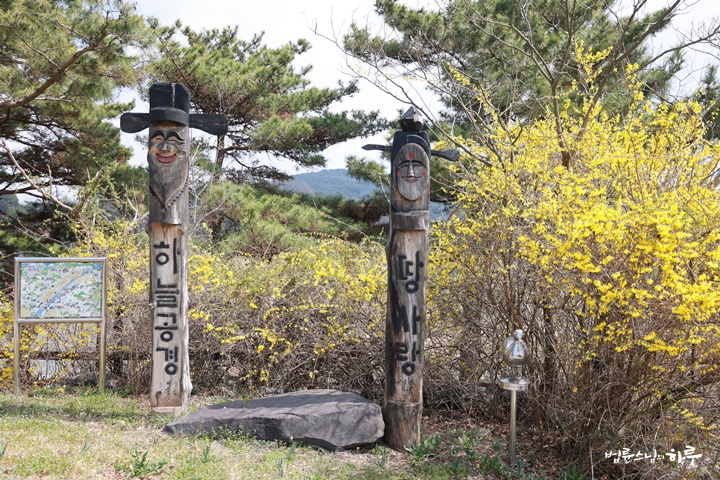
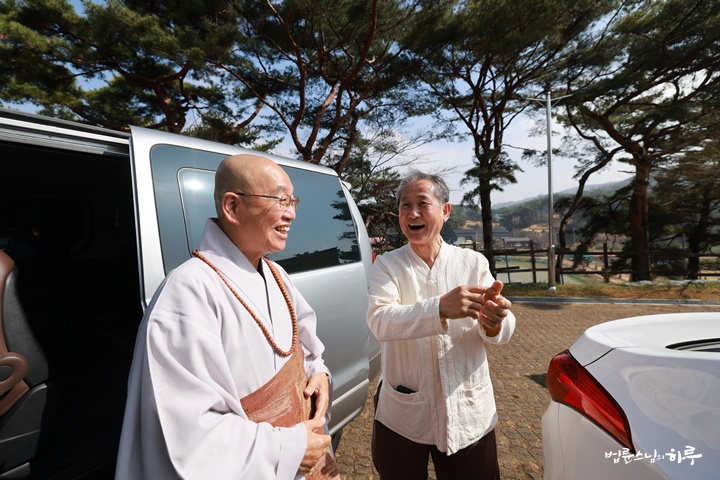
Mr. Joo Hyung-ro, representative of Mundang Environmental Agriculture Village and an expert in eco-friendly organic farming who first introduced and spread the duck farming method in Korea, warmly welcomed Sunim and the Bhutanese visitors. After arriving at the education center, he personally introduced the village.
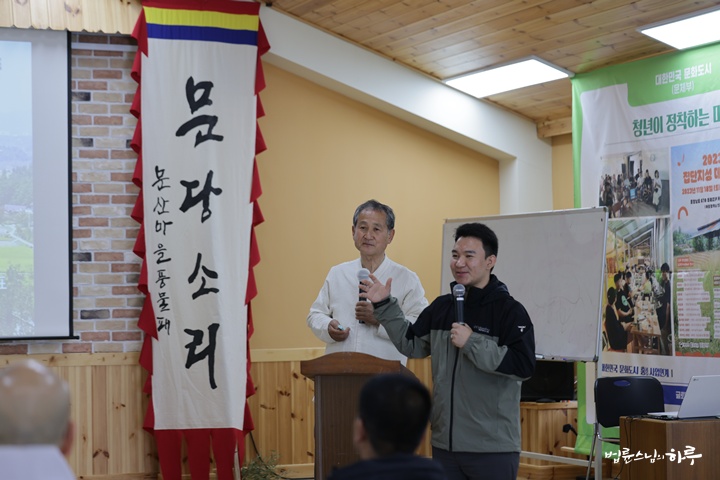
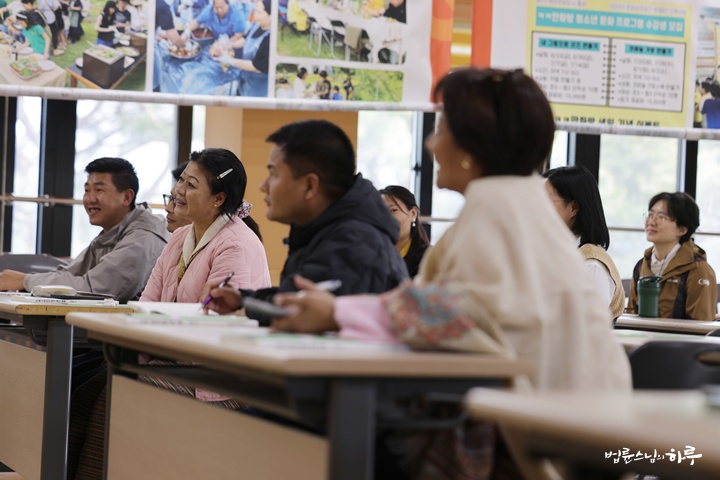
He explained what led to organic rice cultivation, the process of transforming into an organic village, and the unique values that enabled various success stories in this village. He also described the village-operated cafe, school, library, and community clinic.
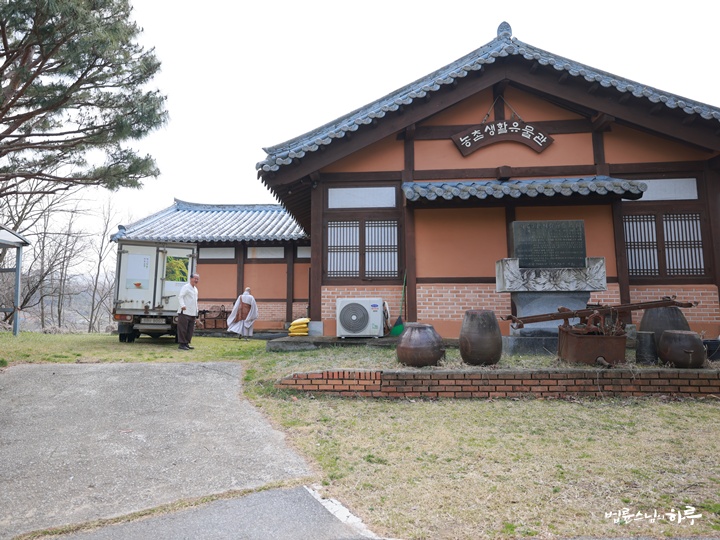
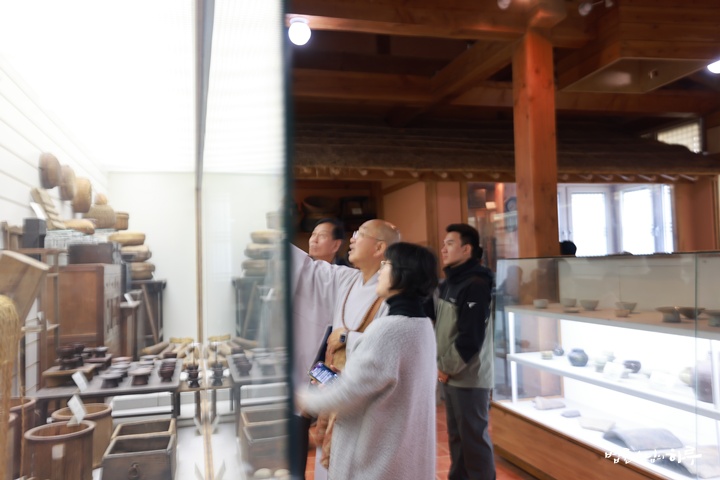
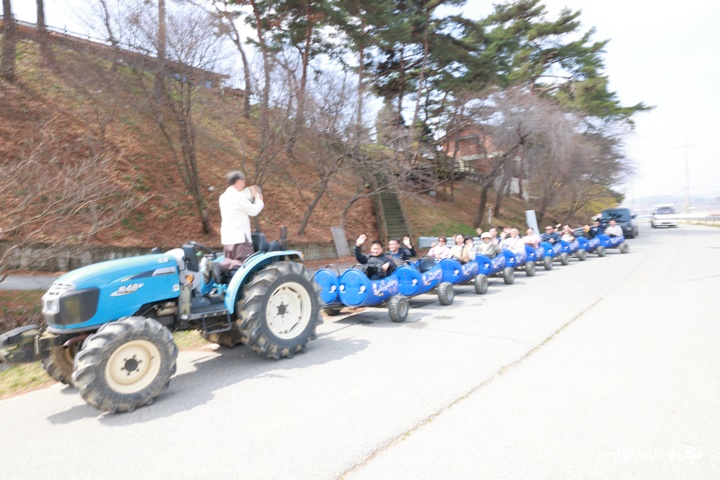
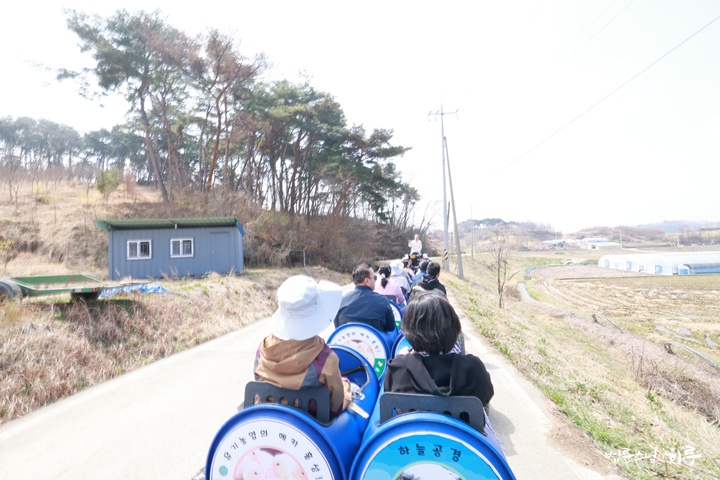
After leaving the education center, they visited the rural life museum displaying agricultural and household items used by ancestors, then experienced riding the duck train around the village.
Sunim and the Bhutanese visitors moved to a restaurant where they had bibimbap. The bibimbap made with locally produced ingredients and spring herbs was popular with the Bhutanese visitors as well.
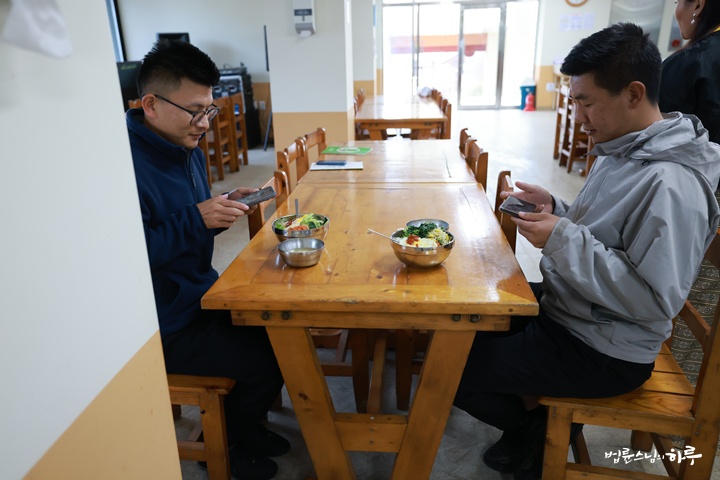
After lunch, they began a full tour of the village.
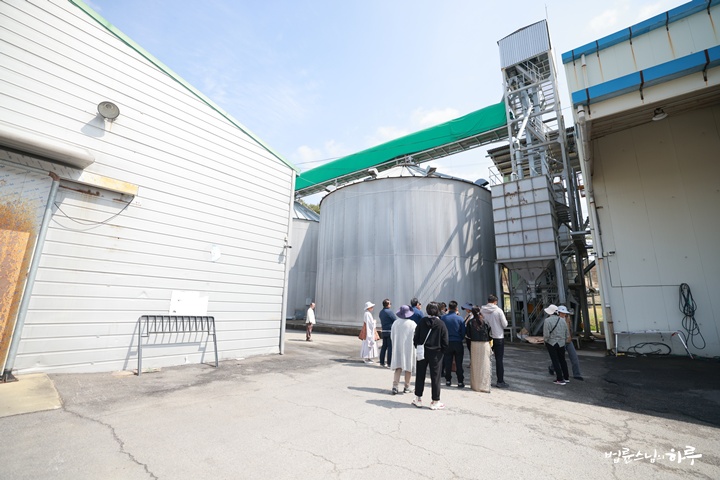
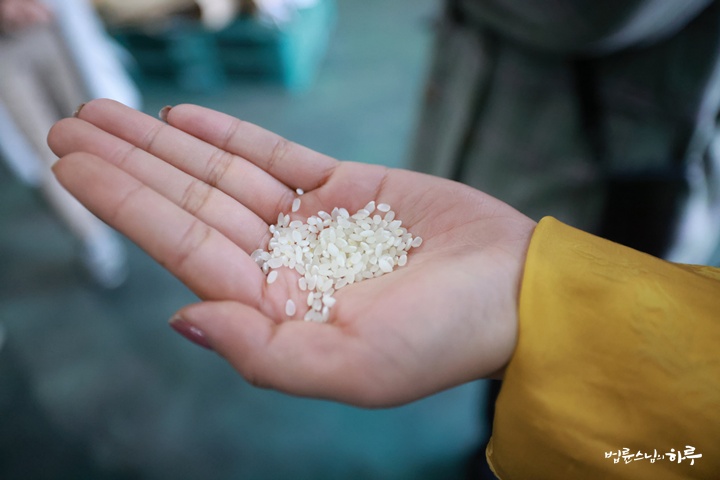
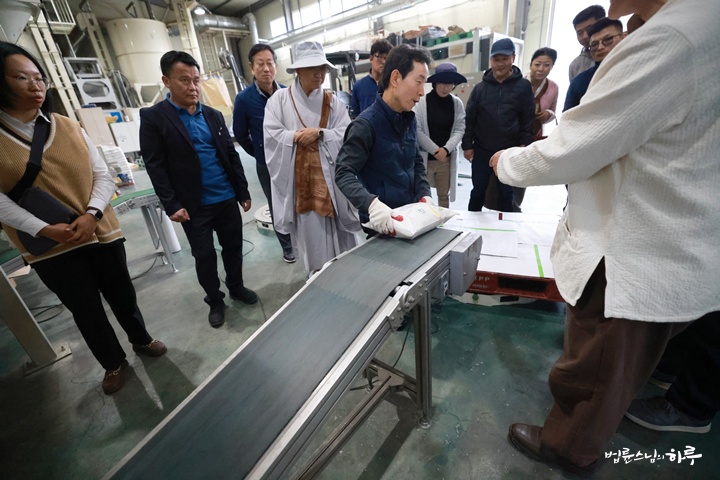
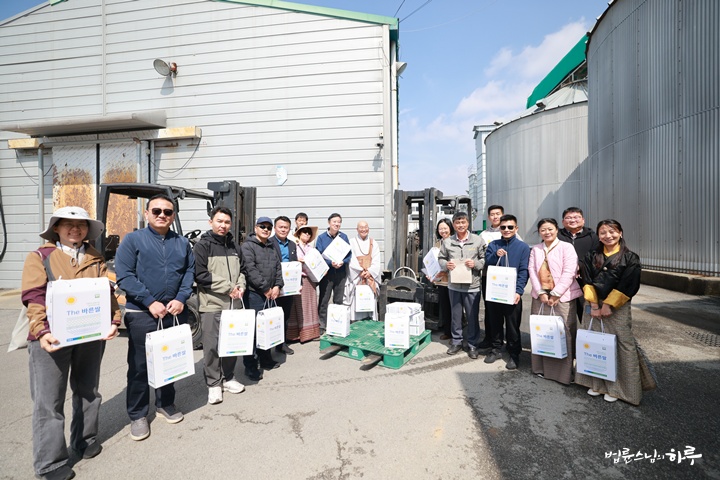
The visitors stopped by the rice processing facility and witnessed firsthand the process from milled rice to packaging. They received 4kg of rice as a gift.
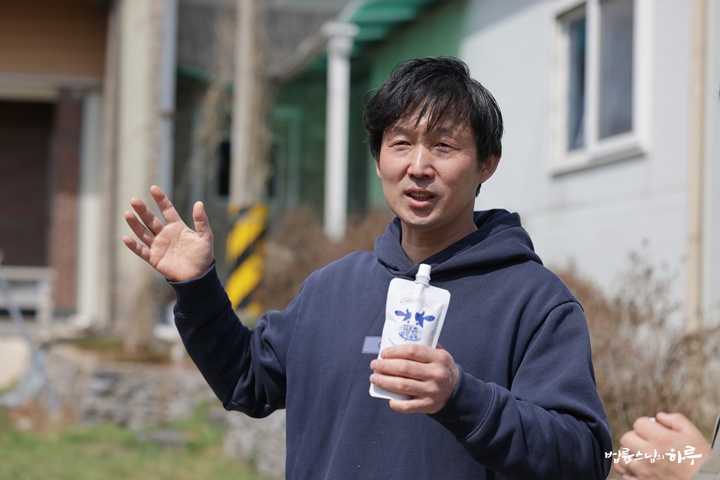
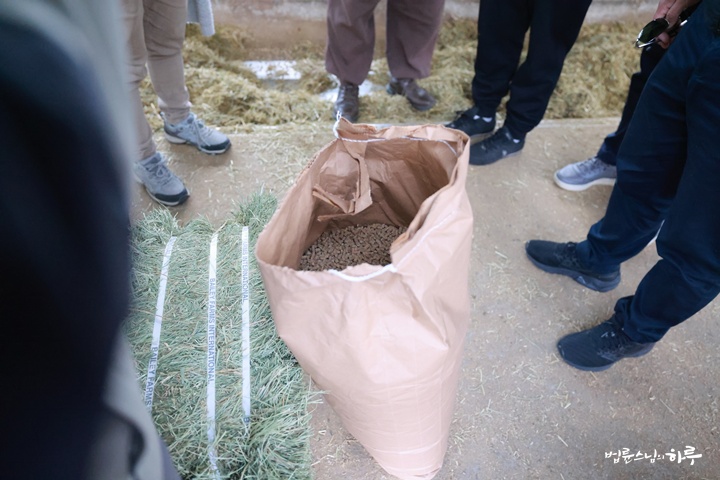
They also visited a farm showcasing a family ranch that produces yogurt with an organic farming philosophy. They tasted the yogurt produced there and toured the barn where dairy cows are raised.
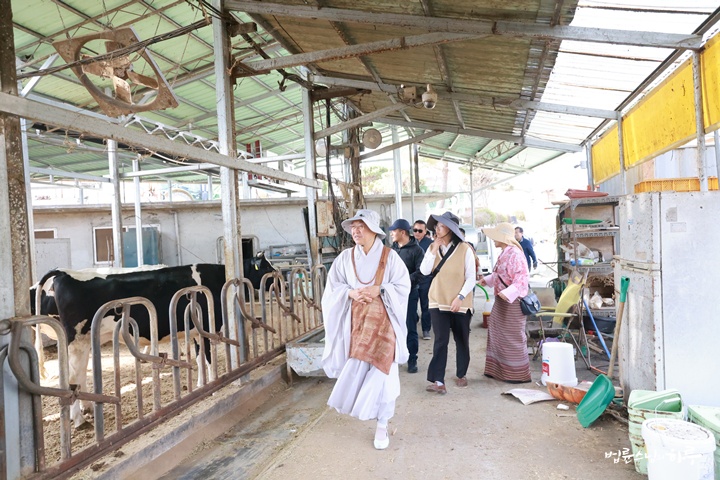
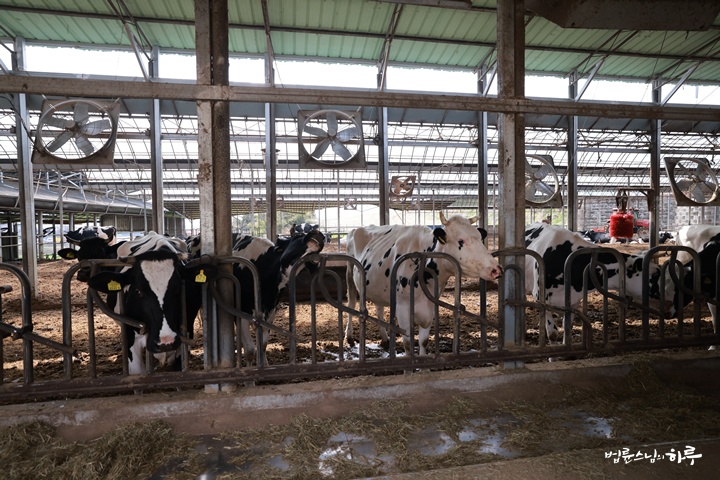
They heard stories about raising dairy cows, milk production, and yogurt production.
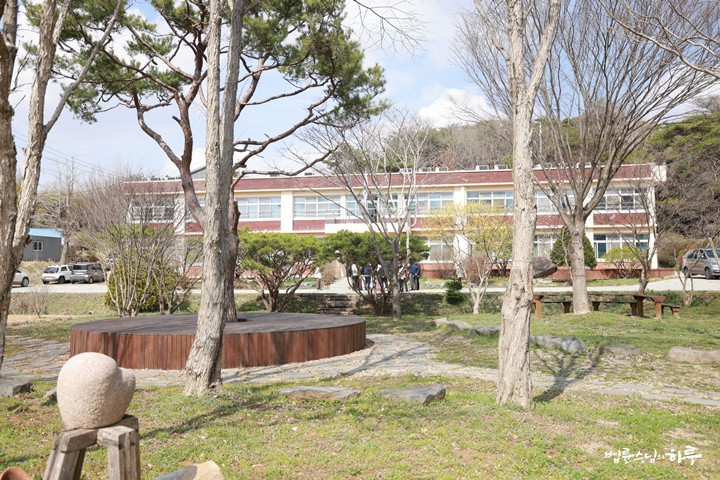
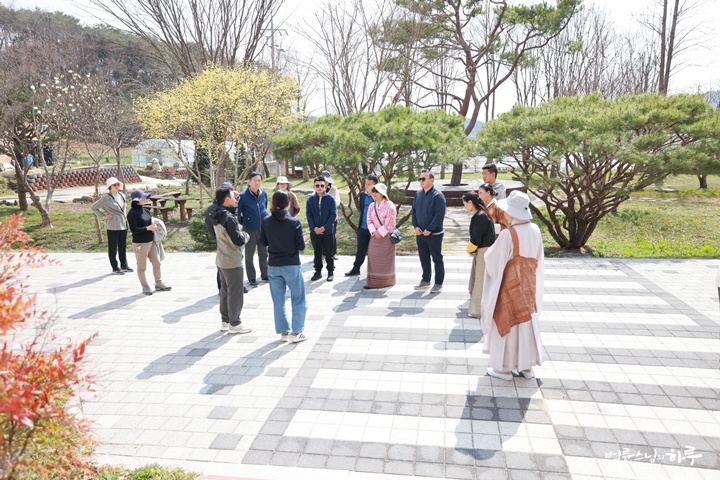
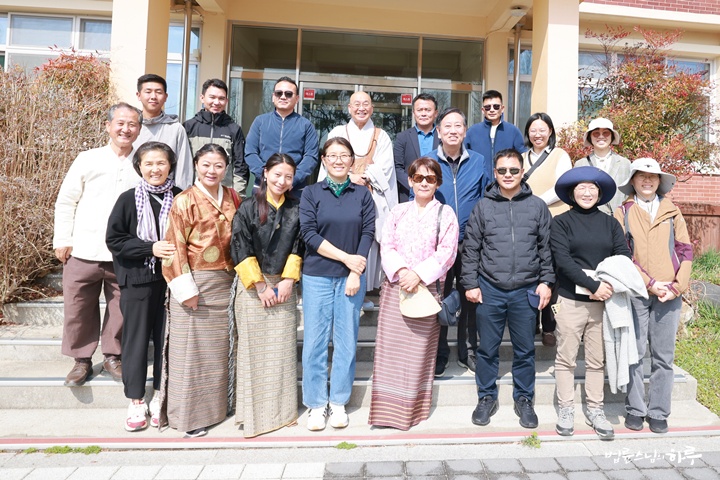
Next, they visited Poolmoo School, founded in 1958 and the root of the organic village, where they exchanged greetings with the principal.
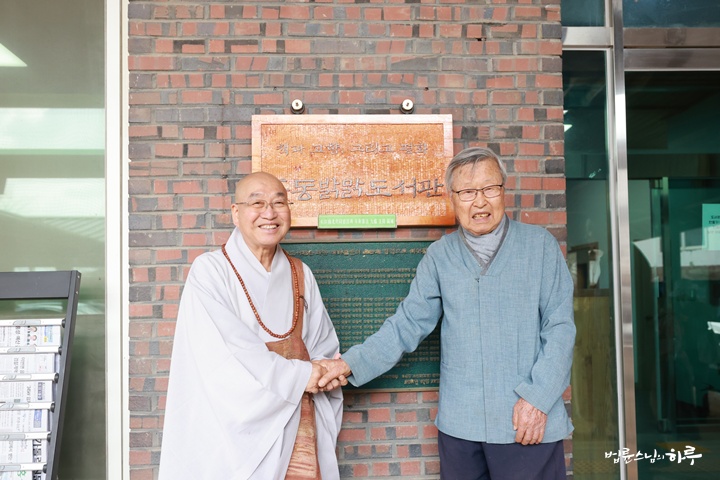
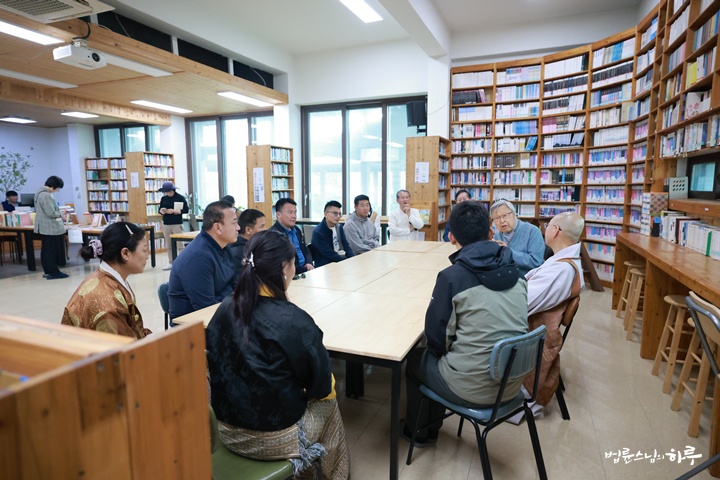
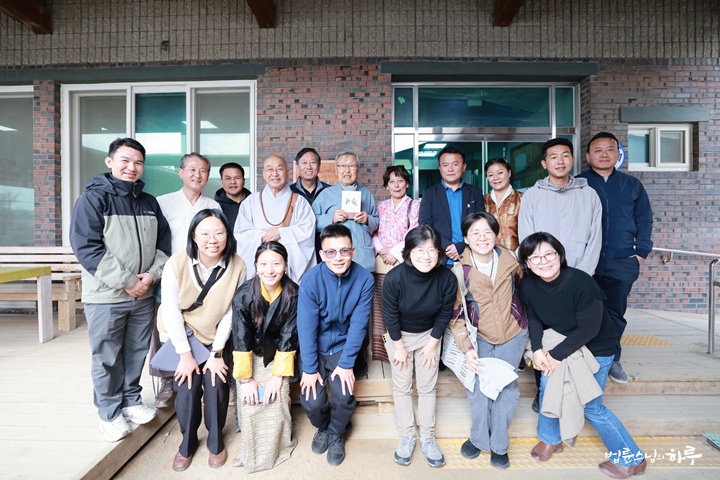
Finally, they stopped by Hongdong Bright and Clear Library to hear about how the library operates and had a conversation with Mr. Hong Soon-myung.
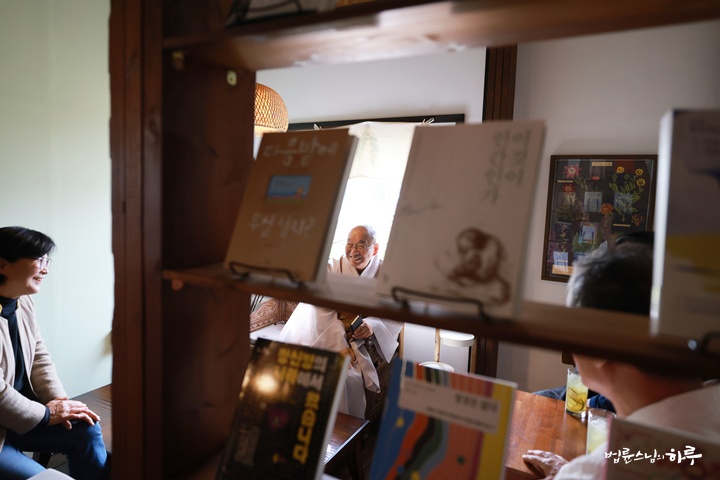
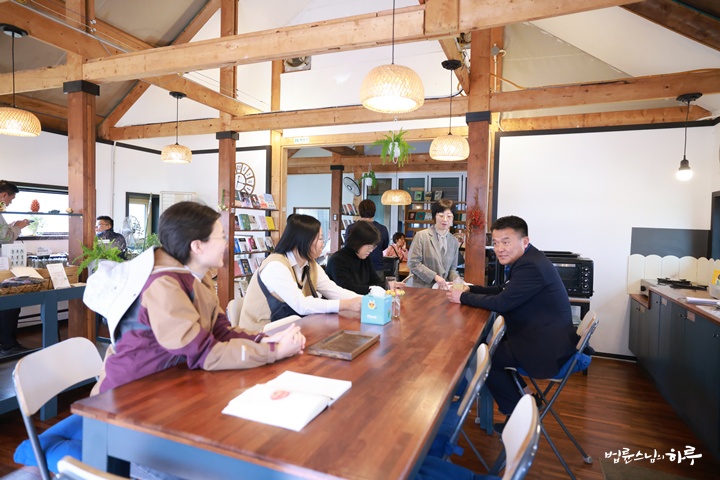
After having a cup of tea at the cafe, Sunim and the Bhutanese visitors immediately toured the cultivation status of the Young People’s Collaborative Farm’s greenhouses operated by the local youth.
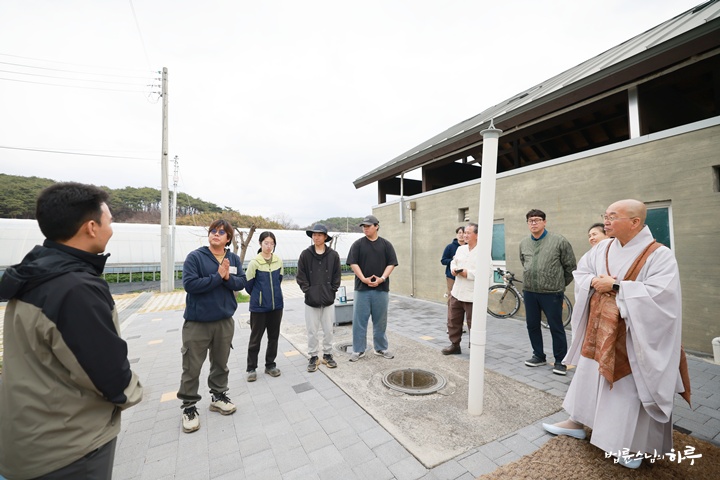
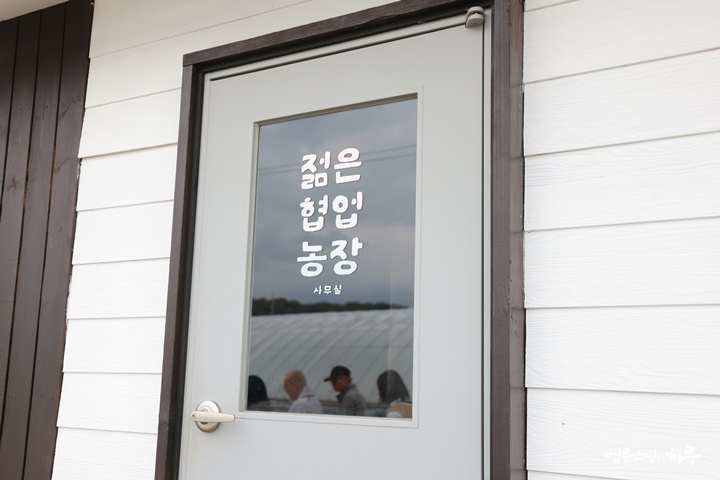
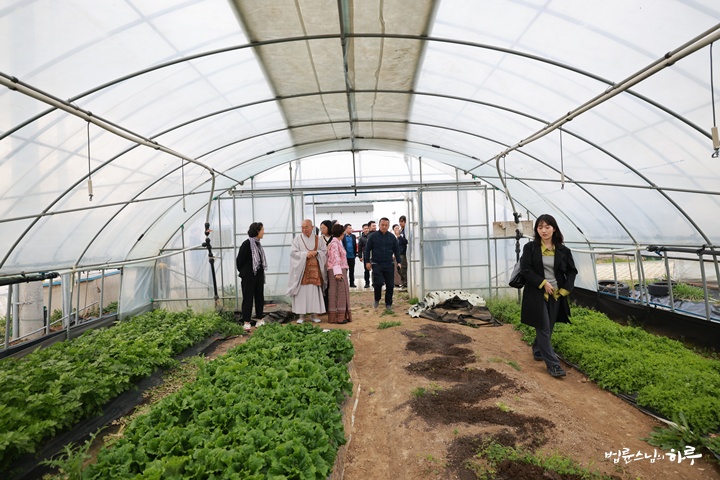
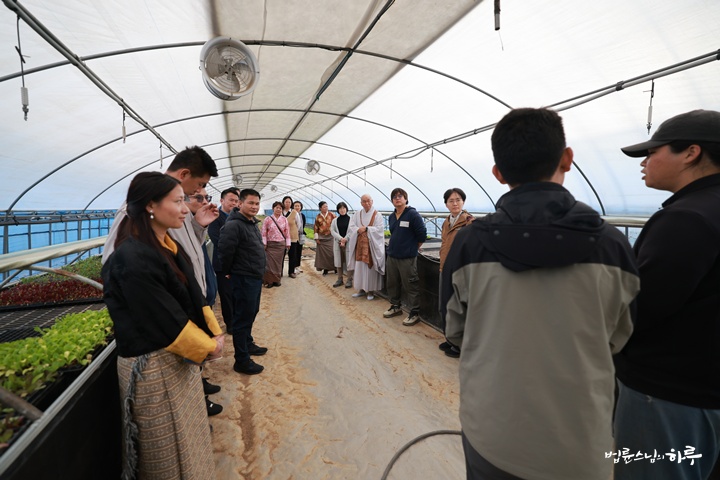
They could vividly hear stories from young farmers in their early twenties who graduated from Poolmoo School and are making a living through farming.
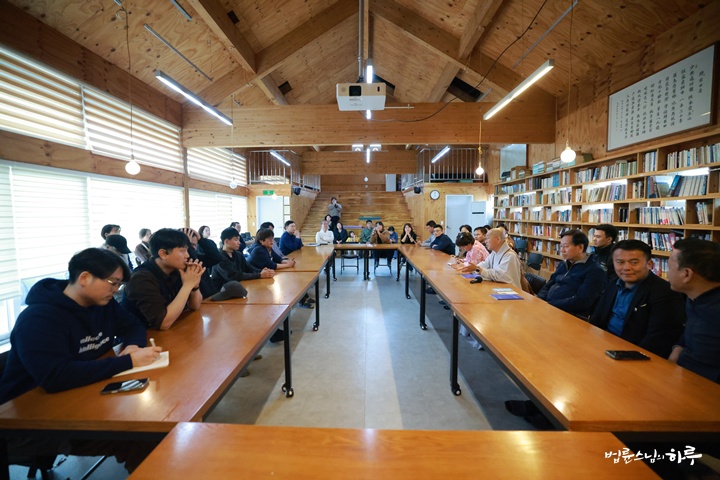
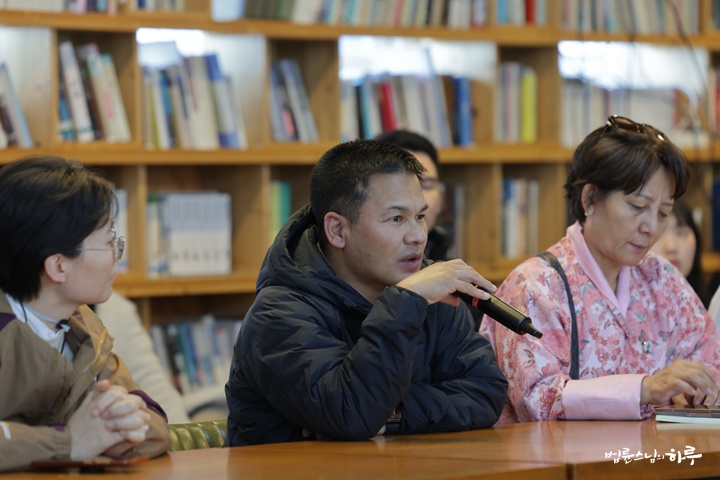
Moving to another location, the Bhutanese visitors had time with young farmers living in Hongdong-myeon. They exchanged greetings and asked questions about their curiosities.
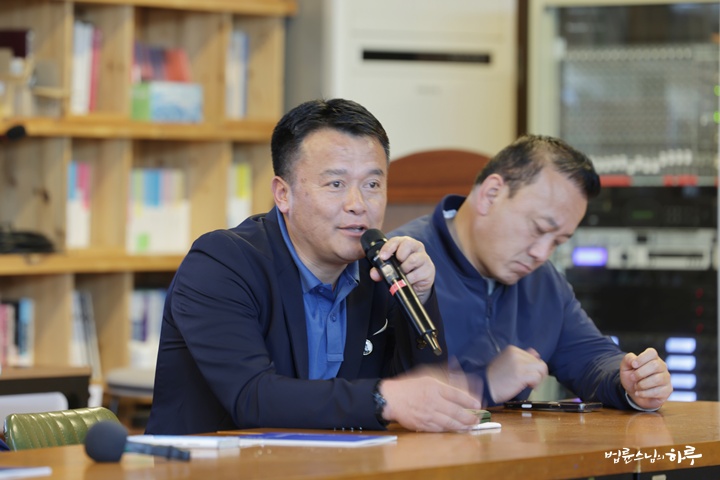
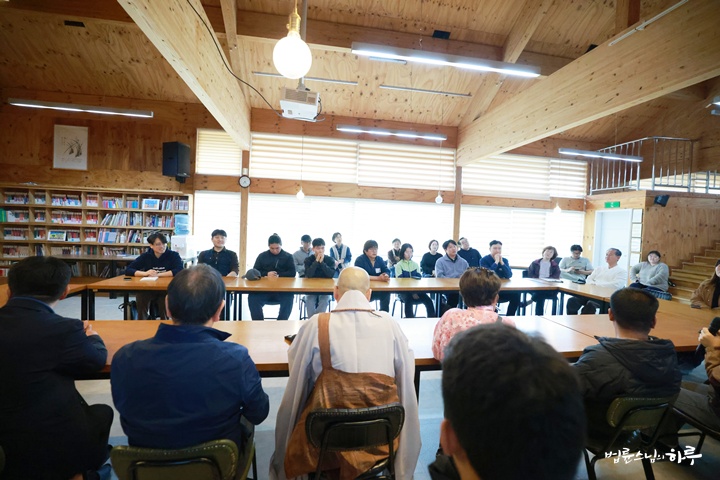
There were many questions about the phenomenon of young people returning to farming in Hongdong-myeon, while in Bhutan, more and more young people are going abroad to earn money. Specific questions were exchanged about what is needed for sustainable agriculture. The Hongdong youth sincerely answered the Bhutanese visitors’ questions based on their own experiences. Sunim listened to the meeting so that the youth and Bhutanese visitors could fully ask and answer questions.
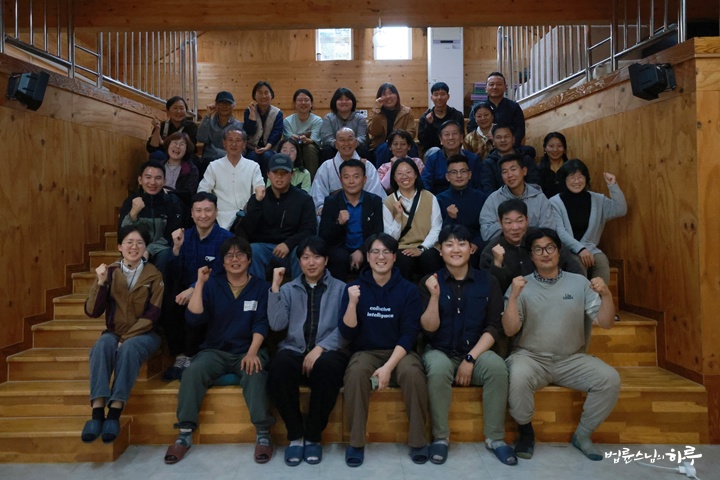
“Youth, fighting!!”
The meeting concluded with a commemorative photo. They moved to a restaurant for dinner. The restaurant operated by local residents had prepared a hearty meal using only vegetables produced in the area. After dinner, they returned to the education center.
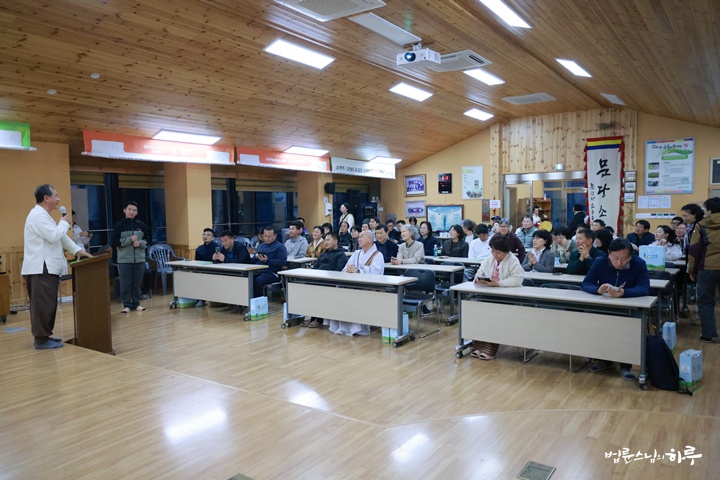
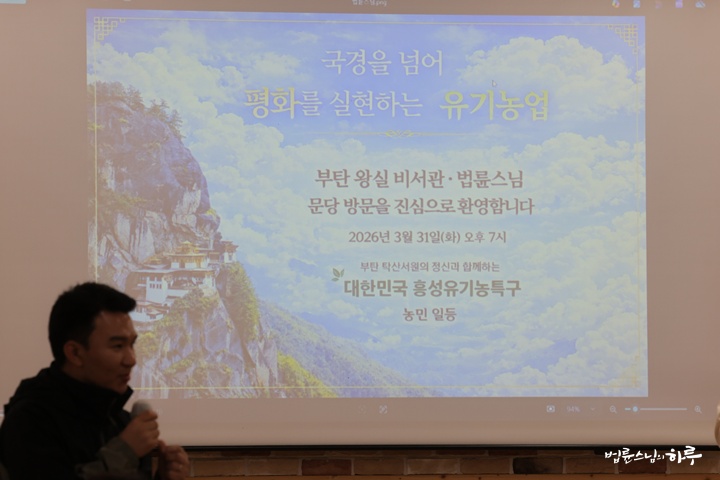
By 7 PM, the education center was packed with village residents and people living in nearby areas who had heard that Sunim was coming. The villagers gave yogurt produced locally and bread and snacks made from rice as gifts to the Bhutanese visitors and everyone attending the welcome ceremony.
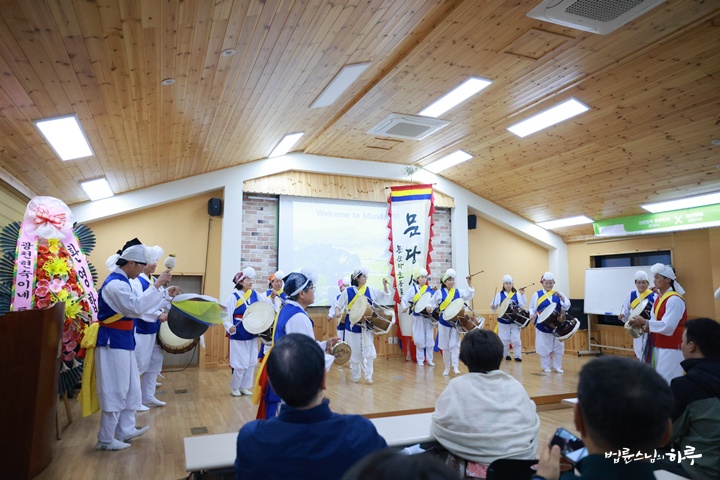
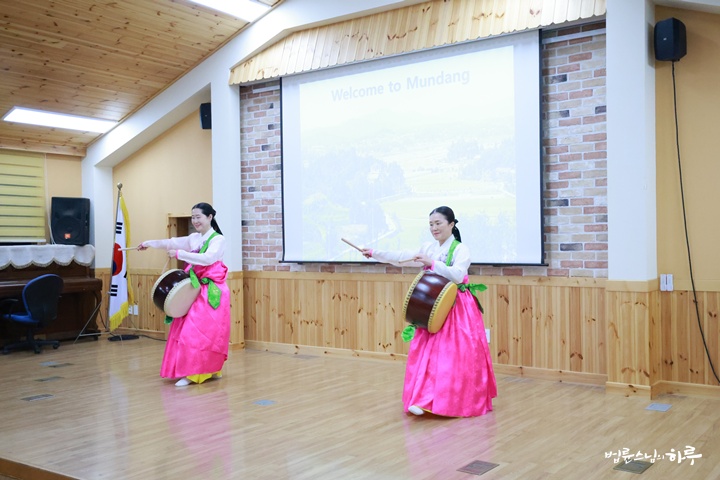
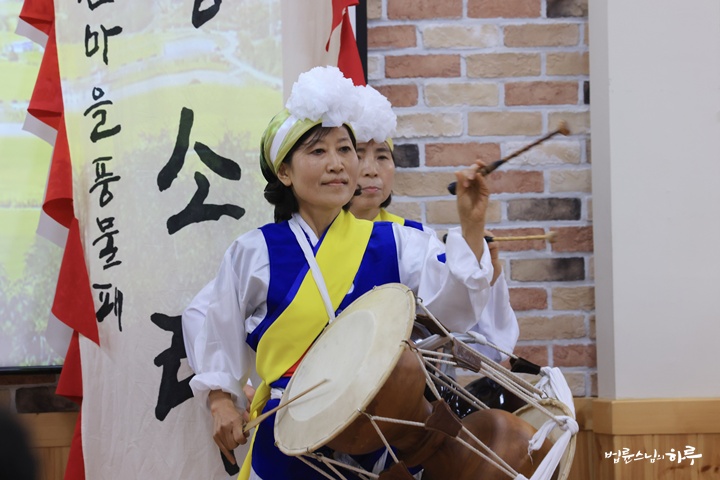
The ‘Mundang Sound’ performance team, composed of villagers, presented traditional music and drum performances.
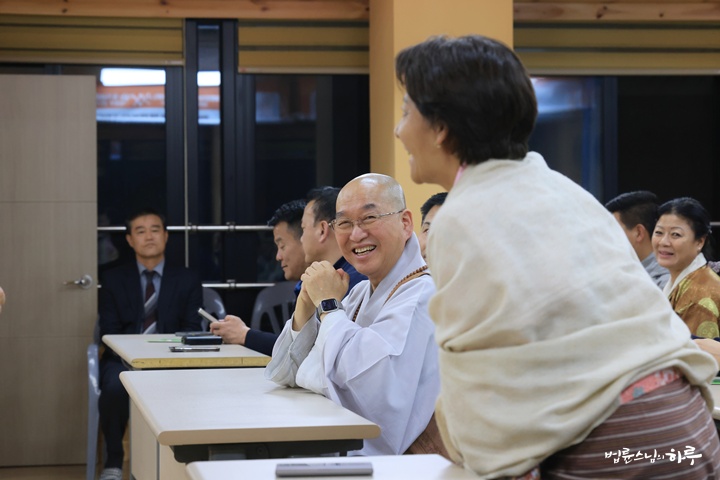
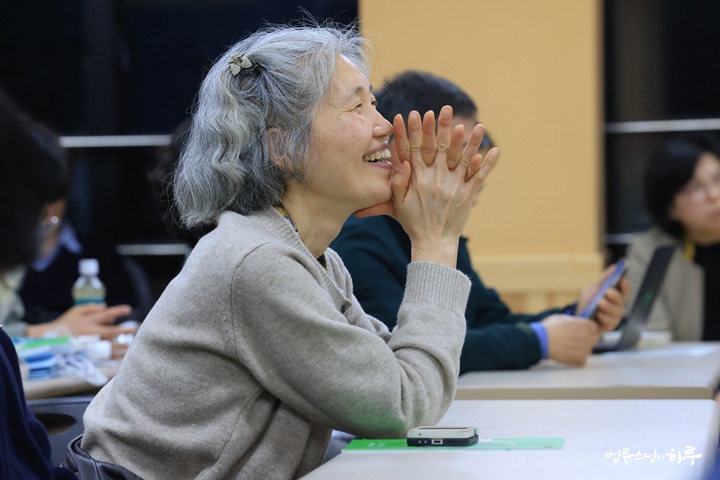
After introducing the Bhutanese visitors and welcoming them, there was time for dialogue between Sunim and Hongdong residents.
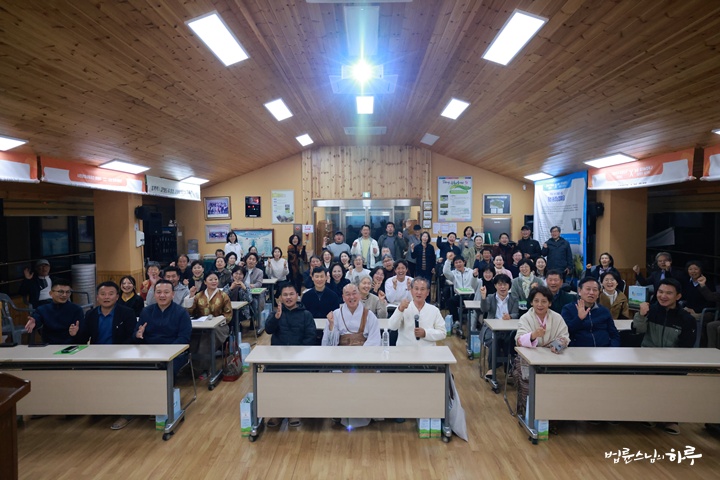
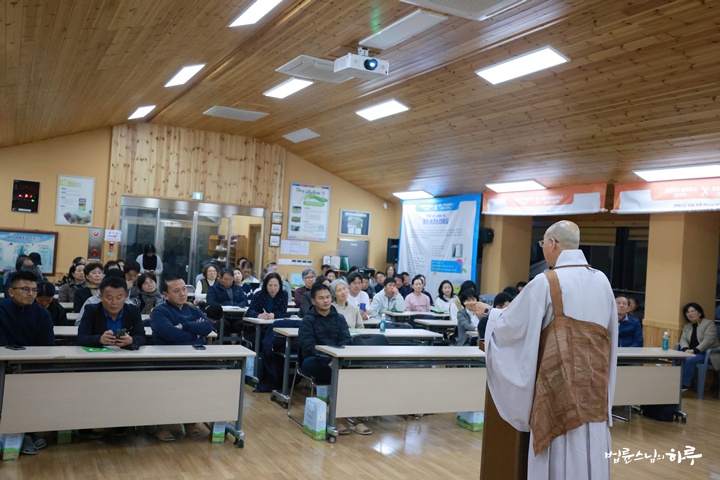
For about an hour, five Hongdong residents openly shared their concerns with Sunim.
After Sunim’s Dharma Q&A session concluded, they took a commemorative photo and left the education center.
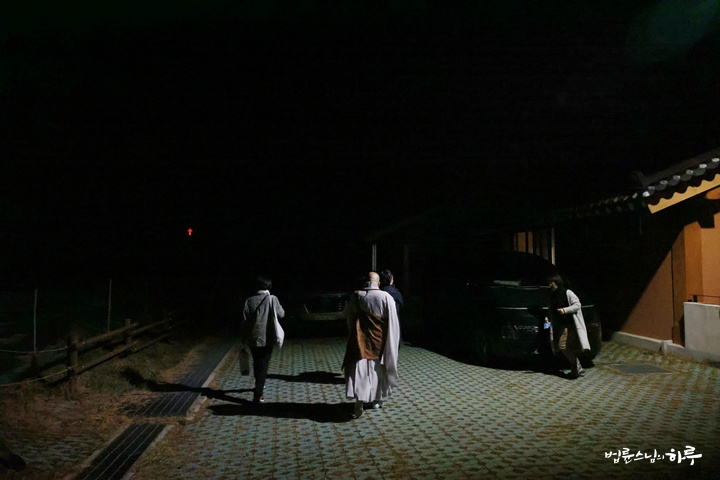
Sunim and the Bhutanese visitors moved their belongings to their respective accommodations and concluded the day’s activities.
Tomorrow, they will visit Cheongyang County and Imsil Cheese Village to encounter various case studies.
This post concludes with a question related to Bhutan from today’s Dharma Q&A with Hongdong residents and Sunim’s response.
People Only Realize the Value of Something After They’ve Lost It.
“I remember Bhutan as the happiest country. This is my first time meeting people from Bhutan. I understand these people live the happiest lives, and I’m curious about how they live to be so happy. I wonder if it’s because they practice well what Sunim has taught, living without expectations in their hearts. I’d also like to visit Bhutan someday.”