After Being Bullied, I’m Struggling with Fear of Being Disliked
Mar 23, 2025 - Special Dharma Talk for the 85th Anniversary of Master Yongseong's Passing
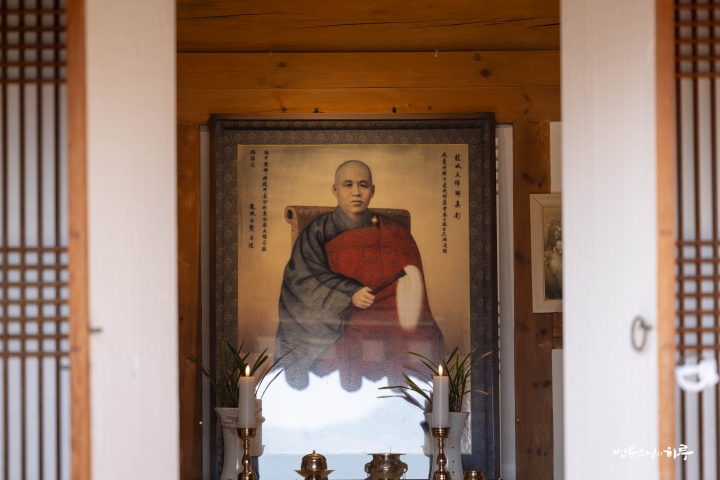
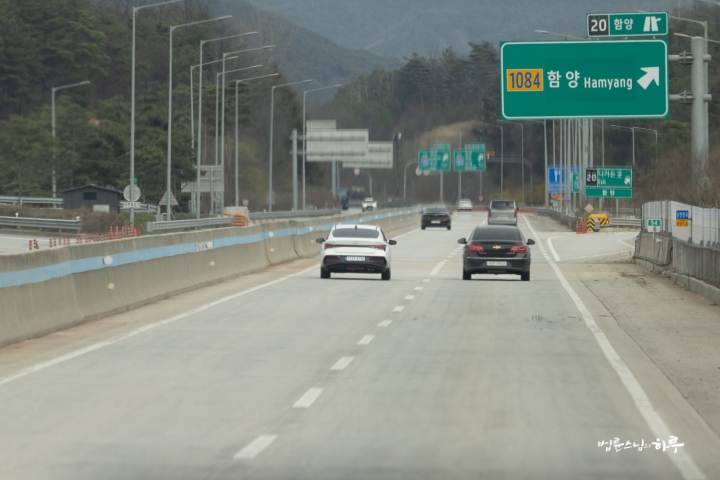
Sunim departed from Seoul at 5 a.m. and headed to Jukrim Temple in Jangsu.
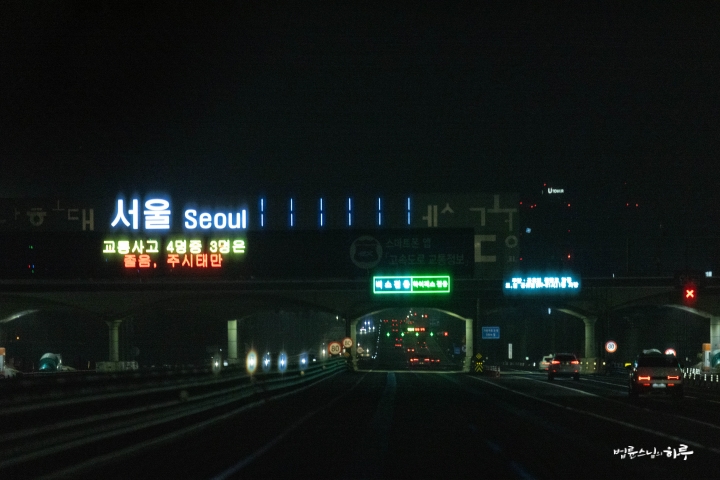
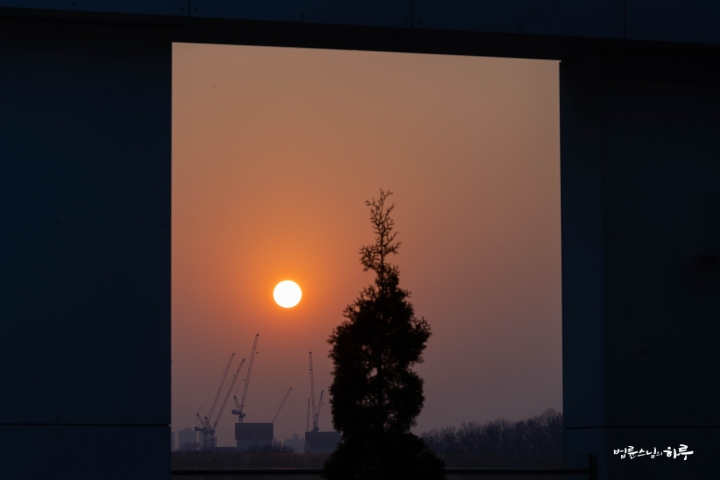
While traveling on the highway, the sun rose over the mountains. The road to Jukrim Temple was filled with the vibrant energy of spring.
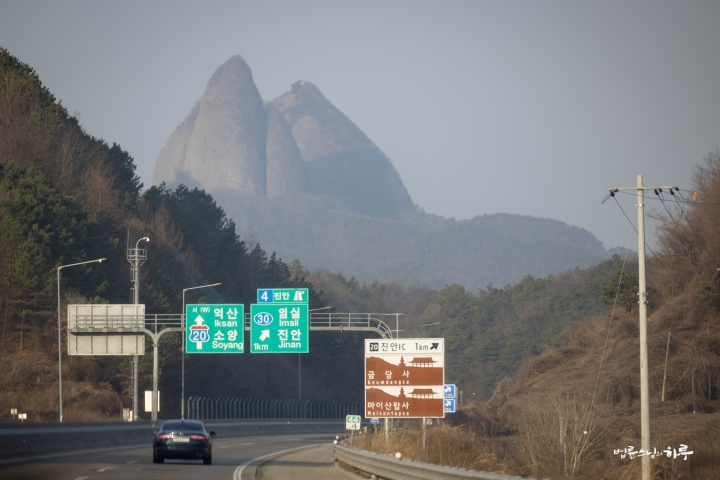
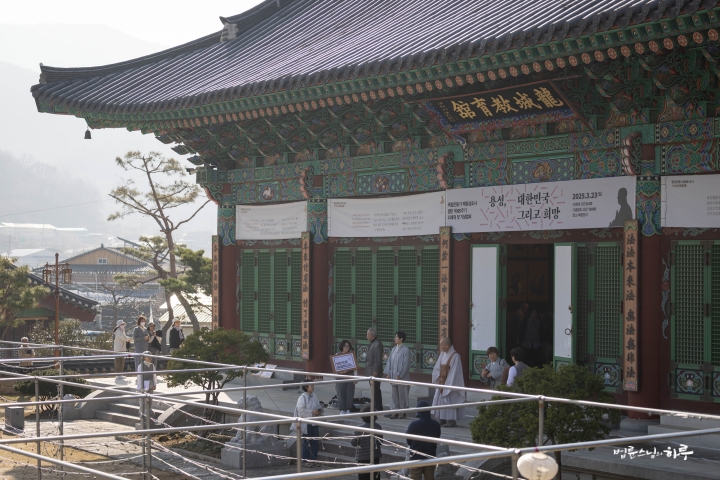
After stopping at a rest area for breakfast, Sunim arrived at Jukrim Temple just after 8 a.m. Jukrim Temple was built at the birthplace of Master Yongseong, who was the Buddhist representative among the 33 national leaders of the March 1st Independence Movement and a key behind-the-scenes figure in that movement.
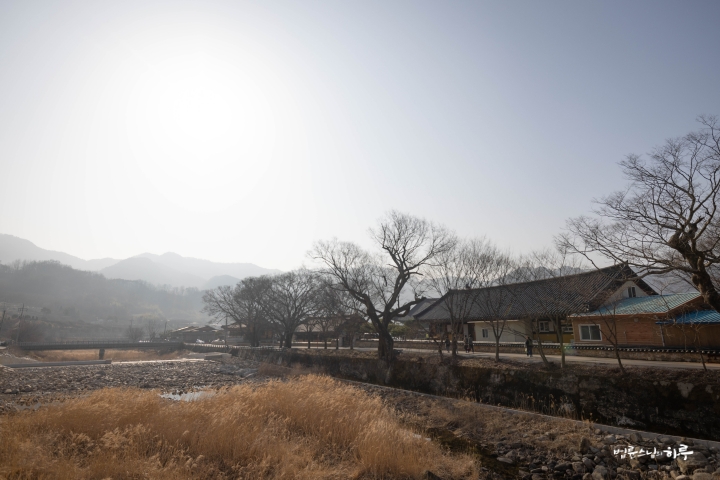
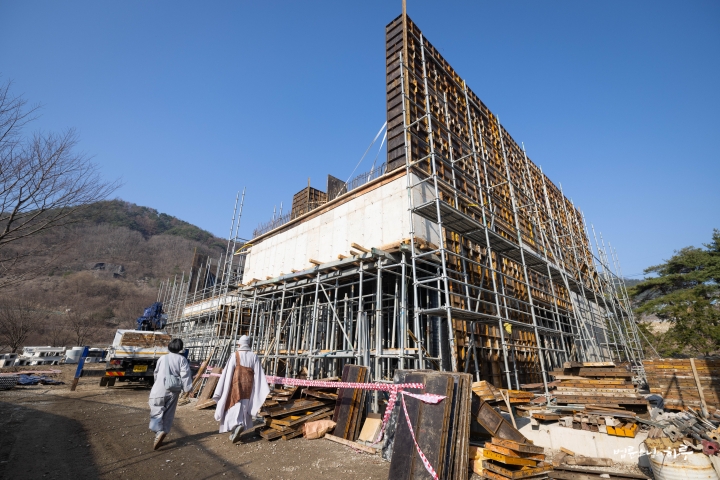
Sunim first went to Mulbit Park to inspect the construction site of the Master Baek Yongseong Memorial Hall. Construction began at the end of last year and was well underway. The Ministry of Patriots and Veterans Affairs, North Jeolla Province, Jangsu County, and the Master Baek Yongseong Memorial Foundation are collaborating to build a two-story structure with a total floor area of approximately 990 square meters.
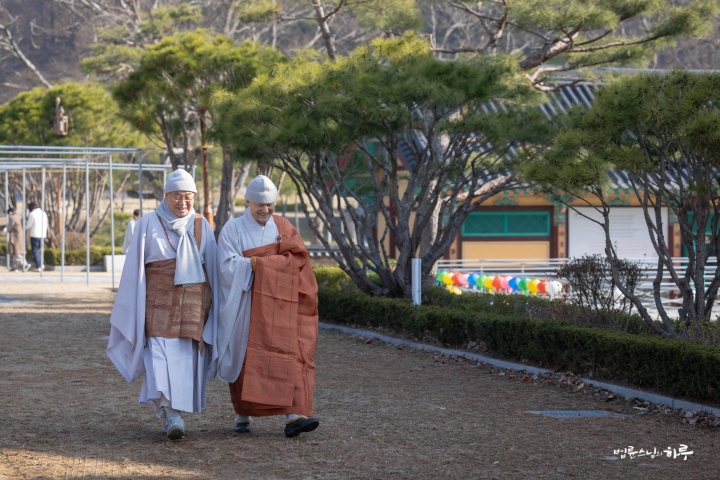
Next, Sunim walked around the temple grounds to check if any areas needed repair. Afterward, he went to the education center to participate in a tea ceremony honoring past patriarchs before the official commemoration ceremony for the 85th anniversary of Master Yongseong’s passing.
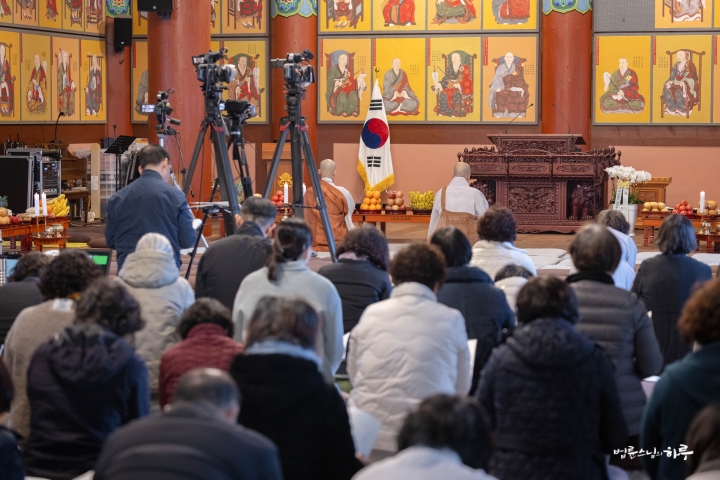
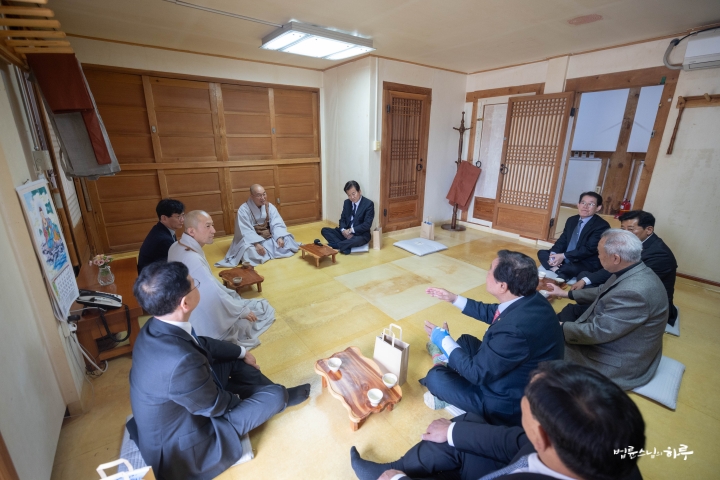
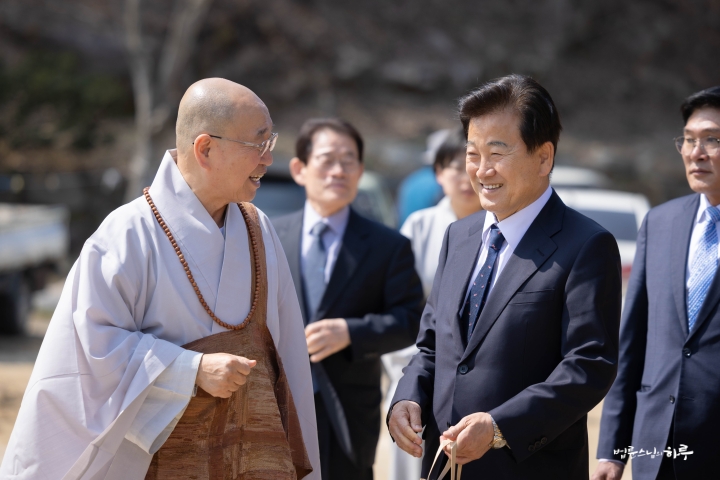
After The memorial service of tea ceremony for the heavenly bliss, Sunim moved to the living quarters to have tea with the guests. Mayor Choi Hoon-sik of Jangsu County made a special visit to Jukrim Temple. They exchanged warm greetings and discussed county administration matters.
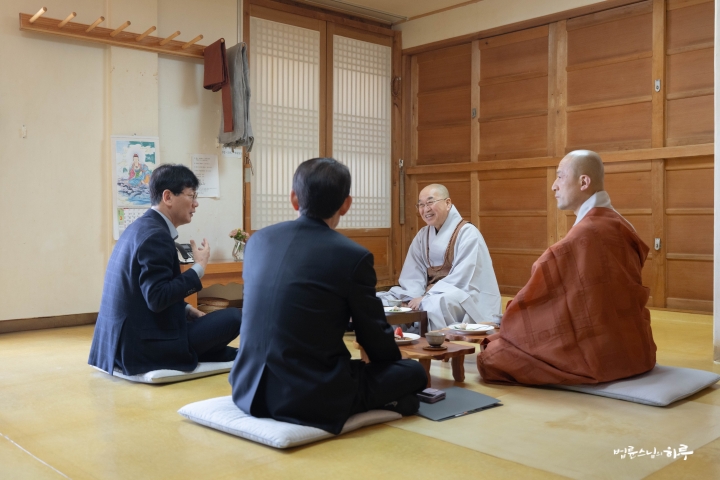
“The county administration is the least of my worries; I’m more concerned about the country. With the national administration paralyzed, local governments are also affected, resulting in severe budget cuts.”
During their conversation, Congressman Jung Dong-young arrived and exchanged greetings.
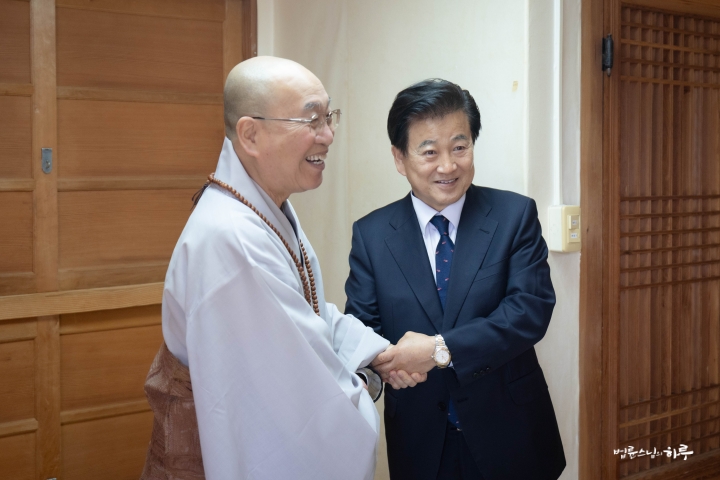
“I’ve been attending rallies at Gwanghwamun every day. I’m worried because the Constitutional Court keeps dismissing cases. If the presidential impeachment is also dismissed, the country will be in serious trouble.”
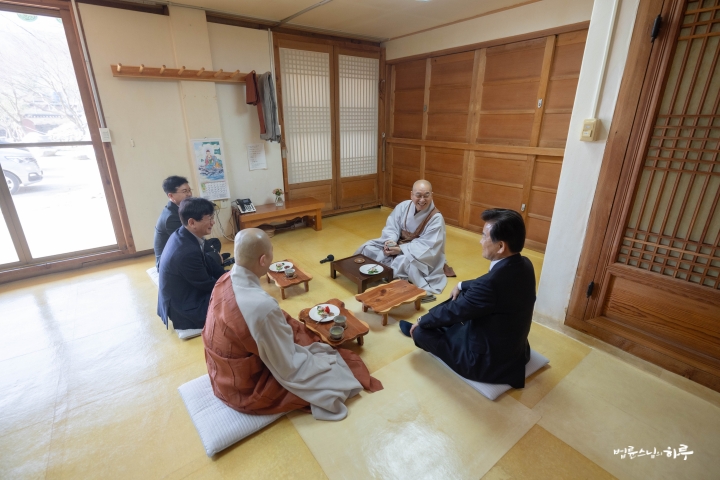
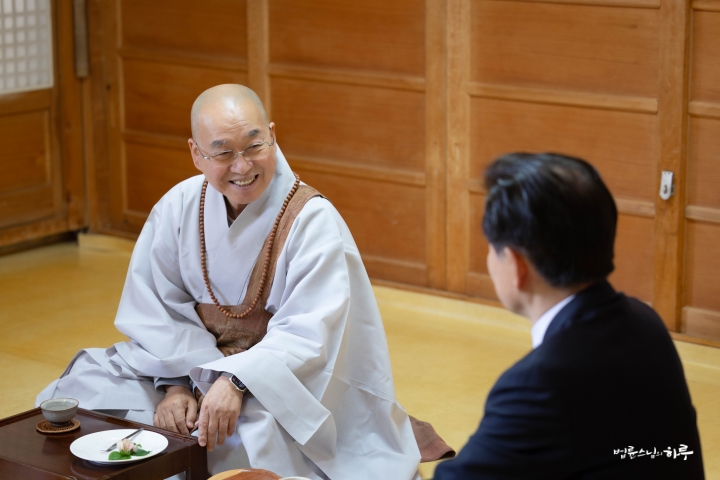
“Listening to you makes me feel much lighter.”
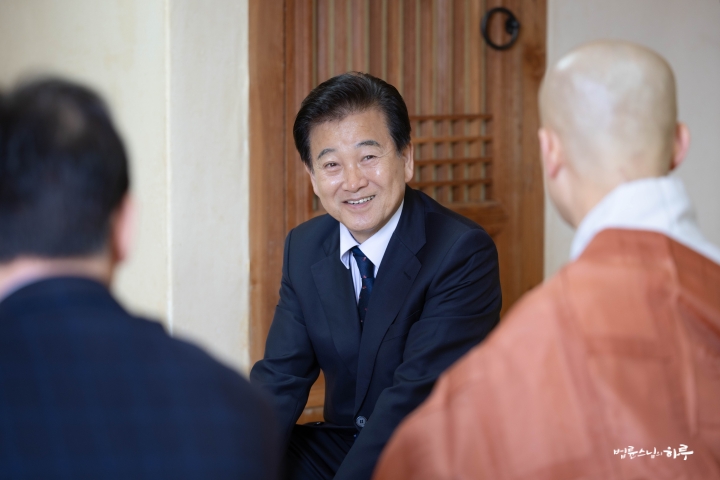
As they discussed current political issues, it was time to begin the Dharma talk.
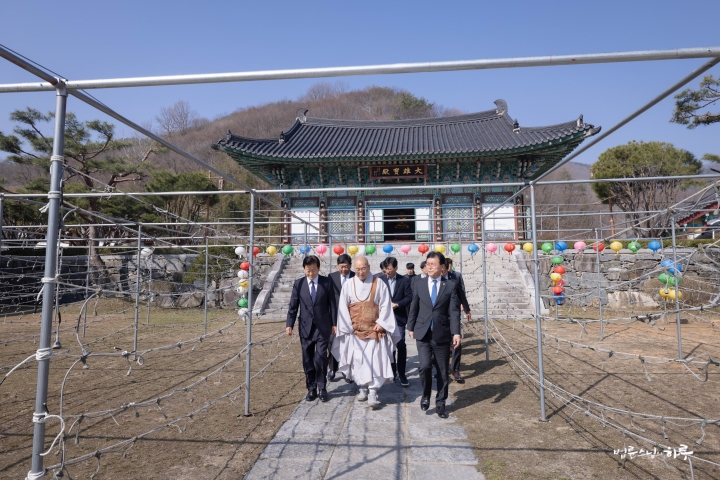
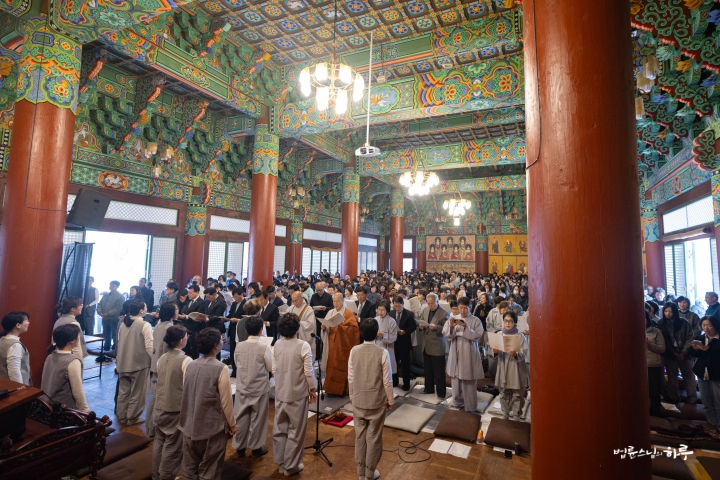
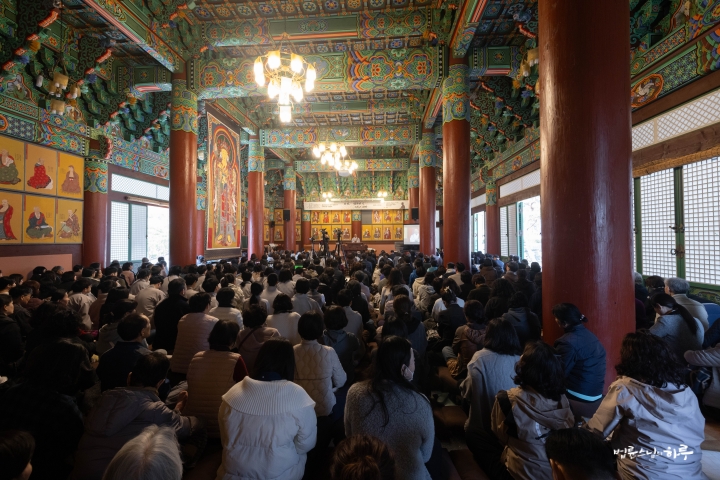
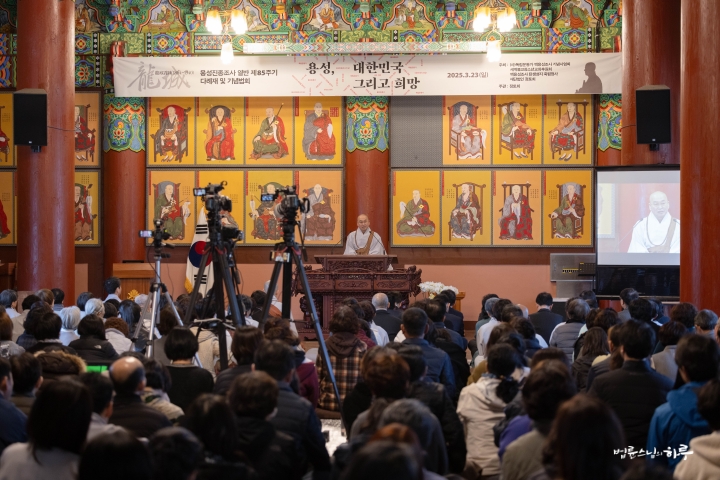
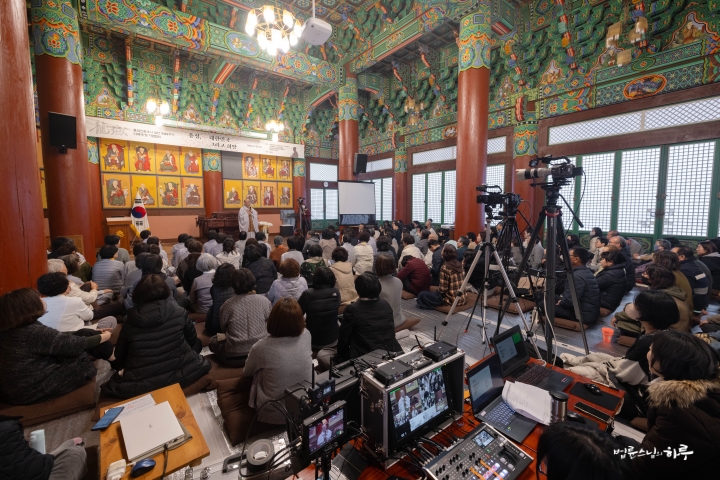
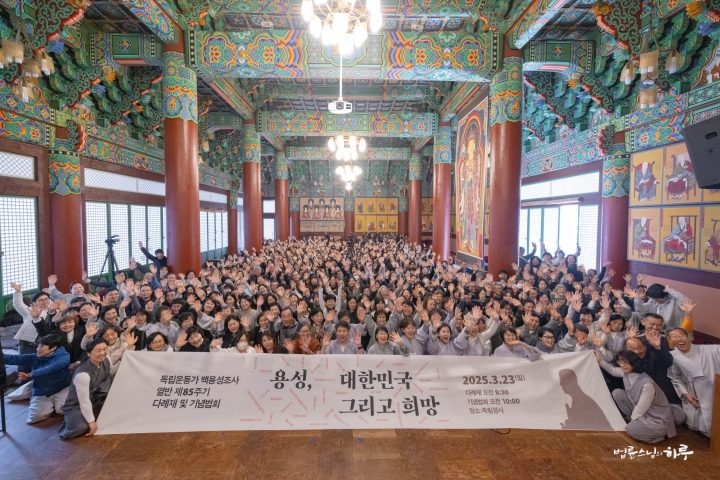
Sunim headed to the education center with the guests for the event. The special Dharma talk commemorating the 85th anniversary of Master Yongseong’s passing began at 10 a.m. sharp. About 400 people from nearby regions, including South Gyeongsang, Daejeon-Chungcheong, and Gwangju-Jeolla branches, filled the venue.
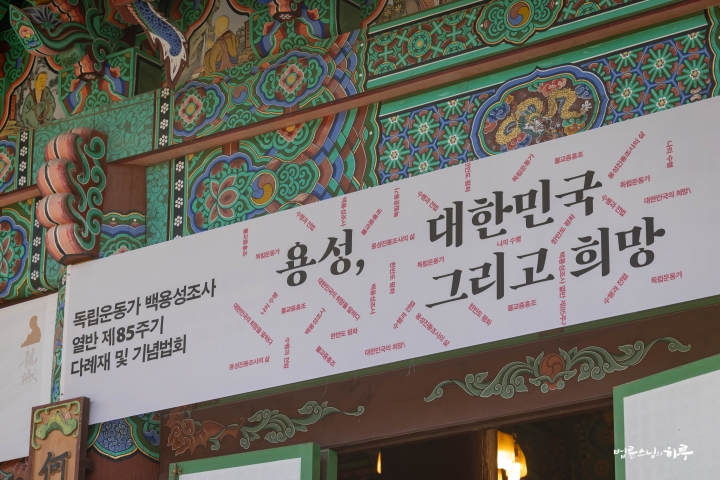
After reciting the Three Refuges and the Heart Sutra, the ceremony continued with a salute to the national flag, singing of the national anthem, a moment of silence for the martyrs, and a reading of Master Yongseong’s biography.
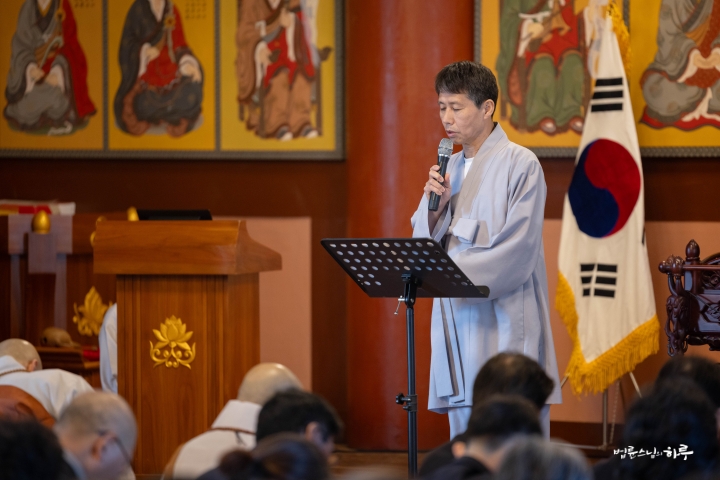
Following the introduction of the distinguished guests, several of them were invited to give congratulatory speeches. Congressman Jung Dong-young, Mayor Choi Hoon-sik of Jangsu County, Councilman Lee Jong-seop of Jangsu County Council, and Councilman Park Yong-geun of North Jeolla Provincial Council, among others, honored the occasion with their speeches.
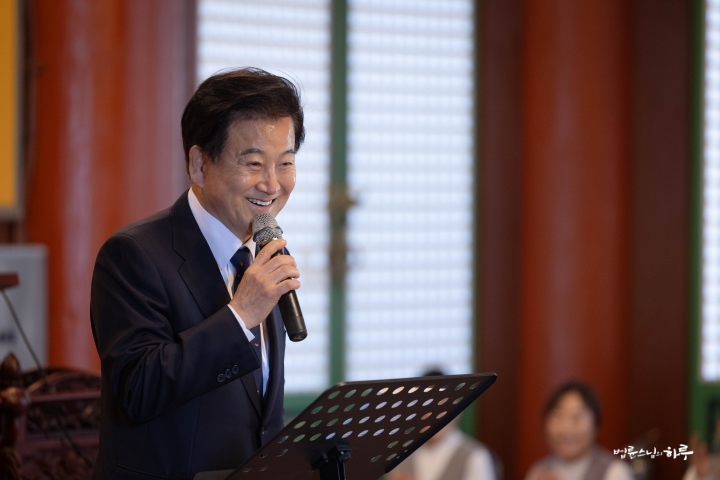
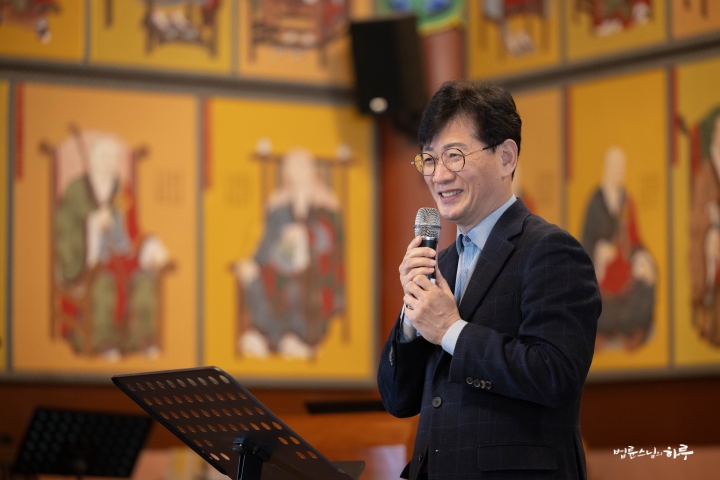
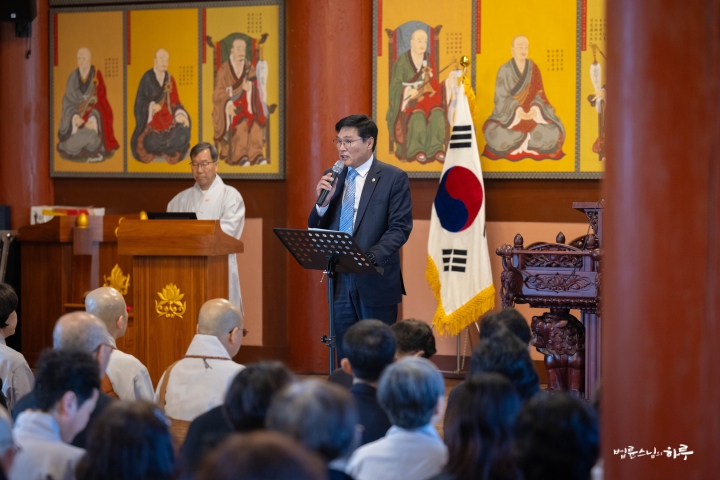
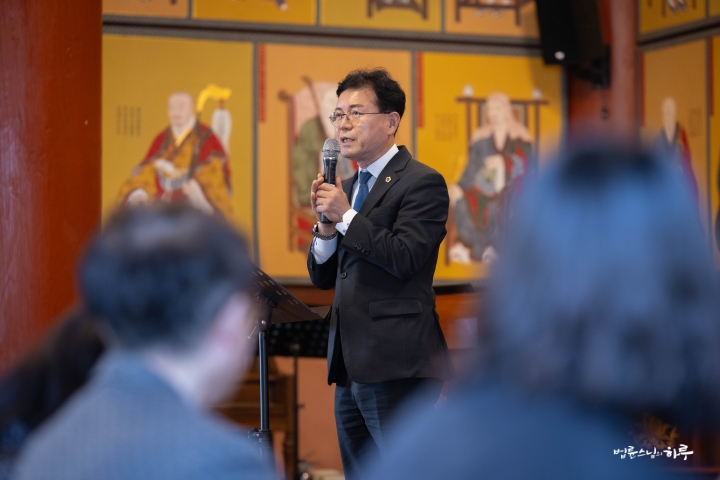
Next, members from the South Gyeongsang branch performed a ‘three-dimensional stage reading’ about Master Yongseong’s passing and hope for the Republic of Korea. Titled ‘The Gourd Flower Breaking Through the Fence’ based on the Master’s final poem, the performance vividly recreated the historical context.
The audience responded with enthusiastic applause as the performance movingly portrayed how Master Yongseong’s legacy was passed down to Master Dongheon Wangyu and then to Great Master Bulsim Domun.
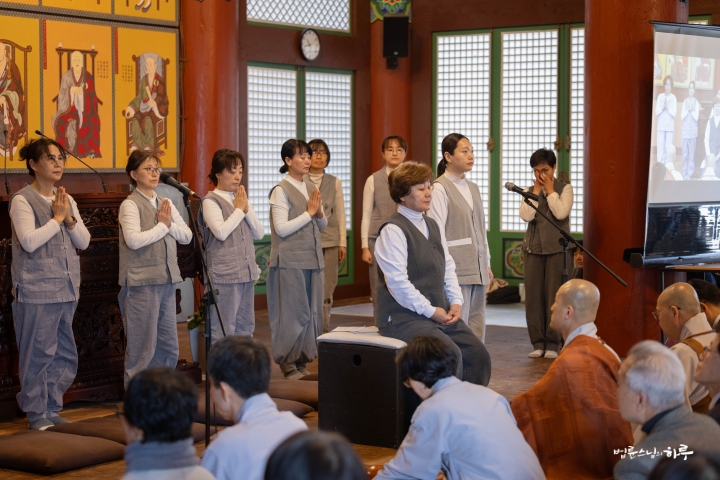
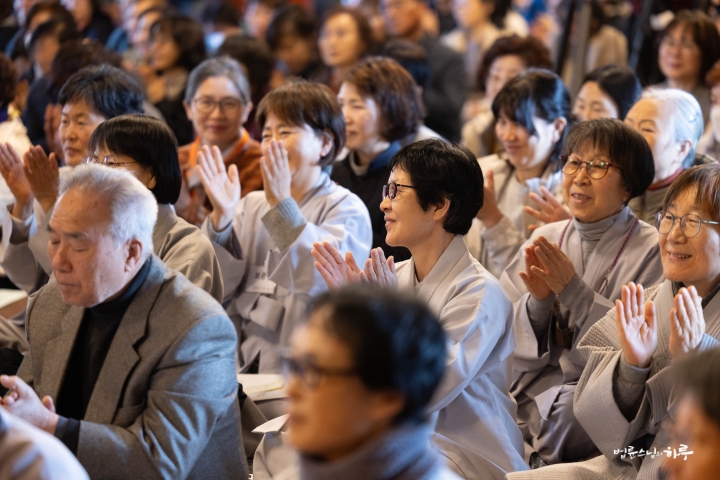
As the performance ended, the actors began singing ‘Song of All Korean People’ and the audience stood up to join in the powerful chorus. This song was written by Master Yongseong and arranged by Great Master Bulsim Domun. It fully embodies Master Yongseong’s firm commitment to national independence and the revival of Buddhism.
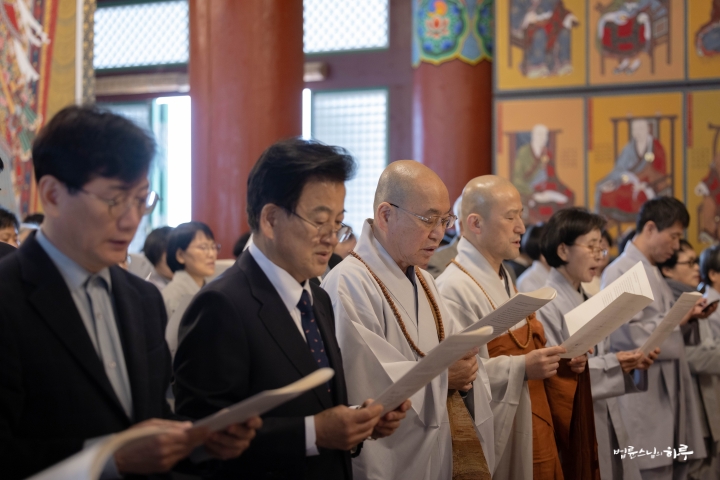
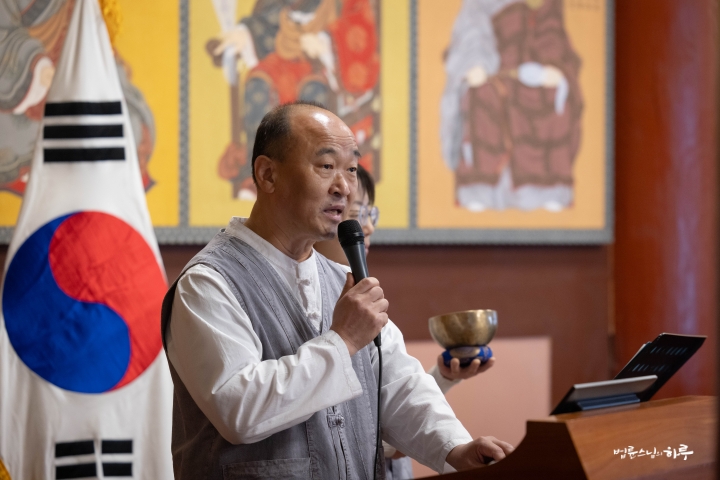
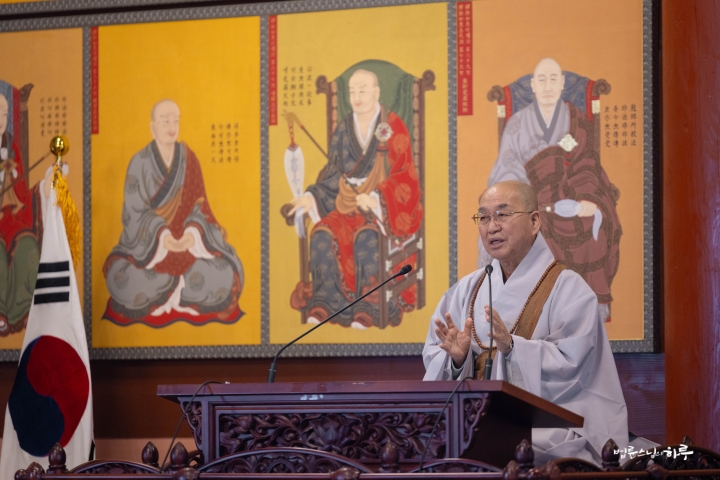
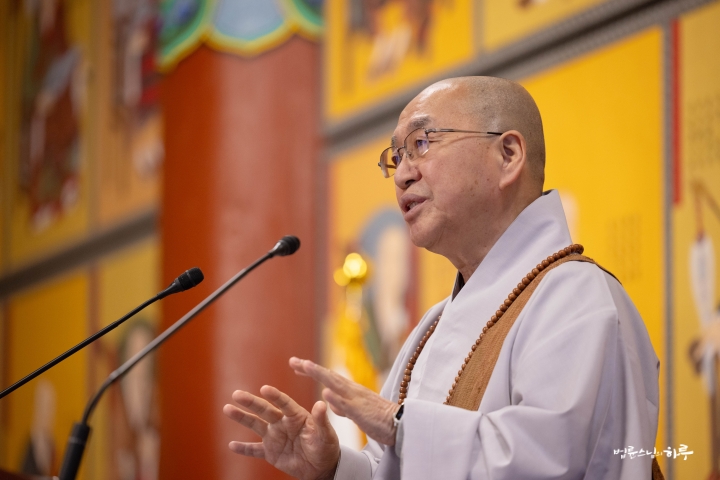
Next, Sunim delivered a commemorative Dharma talk on the theme ‘Master Yongseong’s Life Speaks of Hope for the Republic of Korea.’ Sunim narrated Master Yongseong’s life from birth to passing as if presenting a movie, detailing all his accomplishments throughout his lifetime.
People Who Dreamed of a World Where Citizens Are the Masters of the Nation
However, the ideology proclaimed by Great Master Choe Je-u—that people are the masters of this world and citizens are the masters of the nation—was the message of the Later Heaven’s Great Transformation, which heralded the era of national sovereignty. If the Former Heaven was an era where kings were the masters of nations, the Later Heaven is an era where citizens are the masters. The term ‘Later Heaven’s Great Transformation’ embodies the meaning of opening an era where citizens become the masters of the nation. Based on this ideology, the Donghak Revolution arose. However, after sacrificing hundreds of thousands of lives, the revolution ultimately failed. It did not fail because of the king and nobility who were acting as the masters of the nation at that time. They had lost the power to govern the country and brought in China and Japan, which eventually led to the failure of the Donghak Revolution due to foreign powers. Hundreds of thousands of residents were massacred by Japanese troops armed with modern weapons. The king and nobility, who had merely clung to power, ended up handing over the country to foreign powers rather than protecting their own people. As a result, the nation was lost. Upon hearing this news, Master Yongseong visited all the high officials who lived on the nation’s salary—the three ministers, six department heads, eight provincial governors, and magistrates of 360 counties—urging them to reclaim the lost country. However, no one participated, claiming it was not the right time. Those who claimed to be the masters of the nation not only lost the country but also had no intention of reclaiming it. Therefore, it was ordinary citizens, not the nobility, who gathered around religious leaders to launch the March 1st Movement.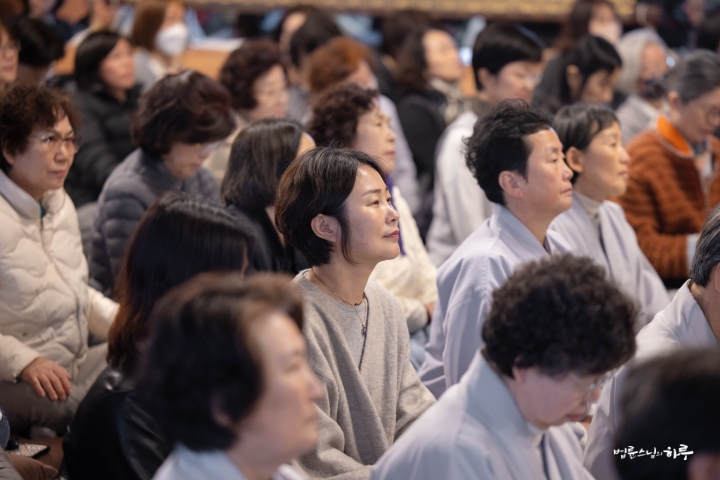
Thanks to the funds provided by Master Yongseong, we were able to continue our independence movement
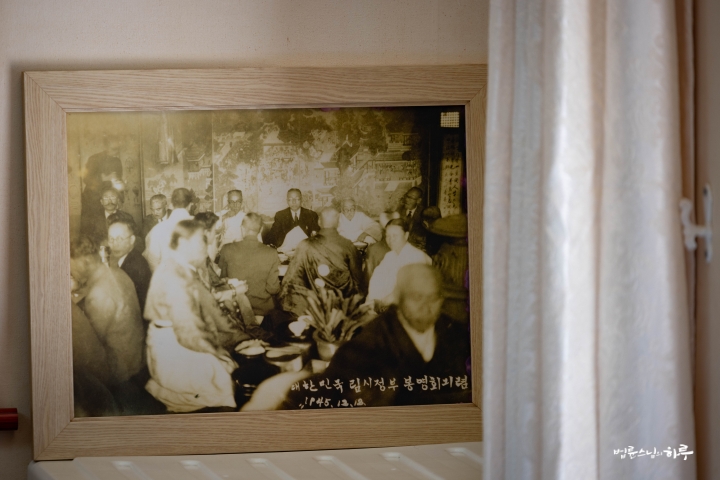
This is how today’s Republic of Korea began. Master Yongseong made significant contributions behind the scenes during the founding of the Republic of Korea. In 1945, when Baekbeom Kim Gu returned to Korea from Shanghai, the first place he visited after Son Byeonghui’s grave was Daegaksa Temple, where Master Yongseong’s portrait was enshrined. Baekbeom Kim Gu prostrated himself before Master Yongseong’s portrait and confessed, ‘Thanks to the funds provided by Master Yongseong, we were able to continue our independence movement.’ This story had been passed down orally without supporting evidence, but while preparing for the 80th anniversary of Master Yongseong’s passing, a photograph was discovered showing Baekbeom Kim Gu visiting Daegaksa Temple along with Lee Si-young and about 30 other members of the Provisional Government in Shanghai.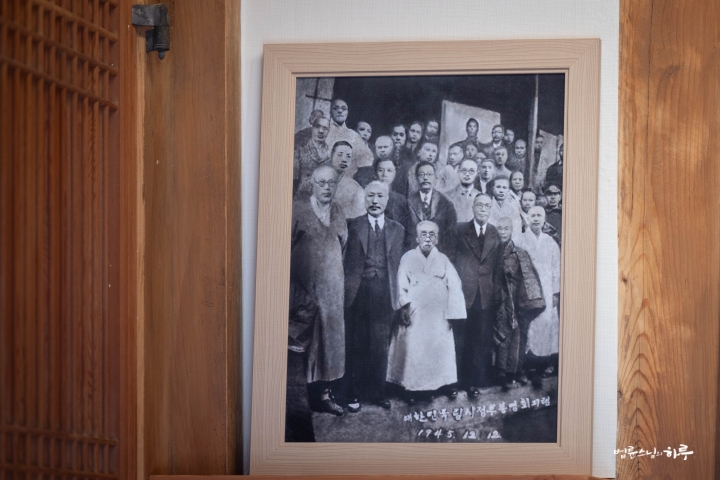
A Person Who Created Hope While Living Through a Dark Era
In 1920, after independence fighters achieved victories at the Battles of Bongodong and Cheongsan-ri, they fled to Svobodny in the Soviet Union to escape Japanese persecution. There, they became caught in the conflict between the White Army (Russian royalists) and the Red Army (Communist revolutionaries), resulting in the ‘Svobodny Incident.’ Master Yongseong, who had been arrested for his involvement in the March 1st Movement in 1919 and released from prison in 1921, secretly went to China after hearing this news. With 20,000 won secretly provided by Queen Sunjeong and funds from lay practitioner Im Dongsu, he purchased 700 jeongbo(approximately 2.1 million square meters) of land in both Bongnyeong Village and Myeongwol Village in what is now Ando County in the Yanbian Korean Autonomous Prefecture, formerly known as North Gando. He established these vast lands as places where independence activists and their families could live. In 1923, the anti-Japanese independence army was rebuilt in Ando County, but not long after, in 1927, the Japanese established the Gando Special Forces, gathering Koreans in the area to suppress the independence army. Though the independence army was first rebuilt with Master Yongseong’s invisible support, it was difficult to escape Japanese surveillance. Although they disguised themselves under the cover of religion to avoid being easily targeted, they were ultimately betrayed by an internal informant and completely crushed in 1938. I believe this incident became one of the major factors leading to Master Yongseong’s passing. In this way, Master Yongseong established bases not only within Korea but also overseas to nurture independence activists, providing financial and human resources support to both the Provisional Government in Shanghai and those engaged in armed resistance in Manchuria. Even after living through such a dark era, when he passed away, he left behind a message of hope, saying, ‘In 60 years, the Republic of Korea will rise again.’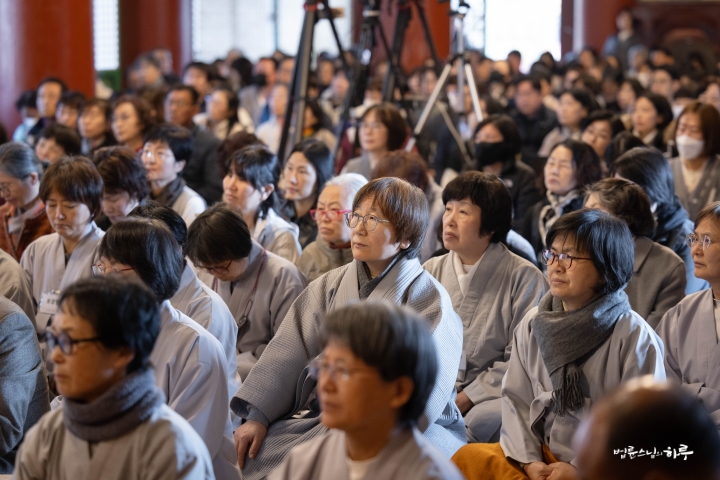
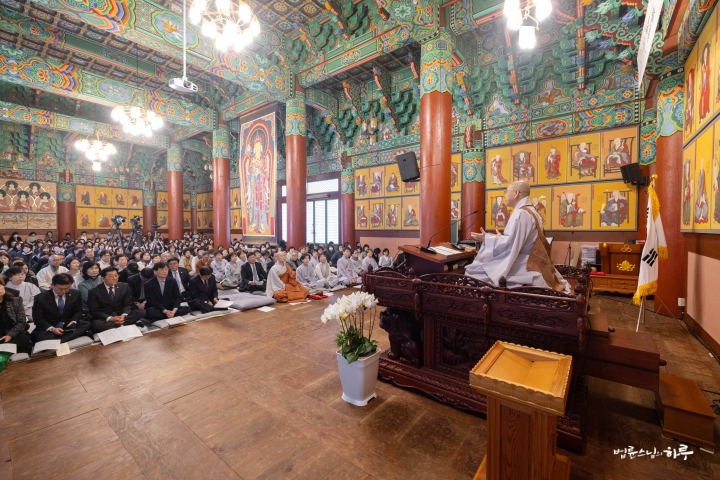
The audience took the Four Great Vows to heart after Sunim’s Dharma talk.
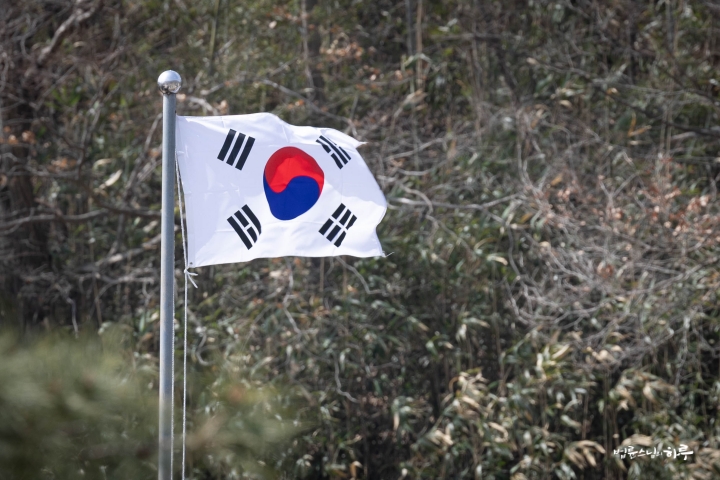
After the special Dharma talk, the guests moved to have lunch, while Sunim held a Dharma Q&A session with the attendees.
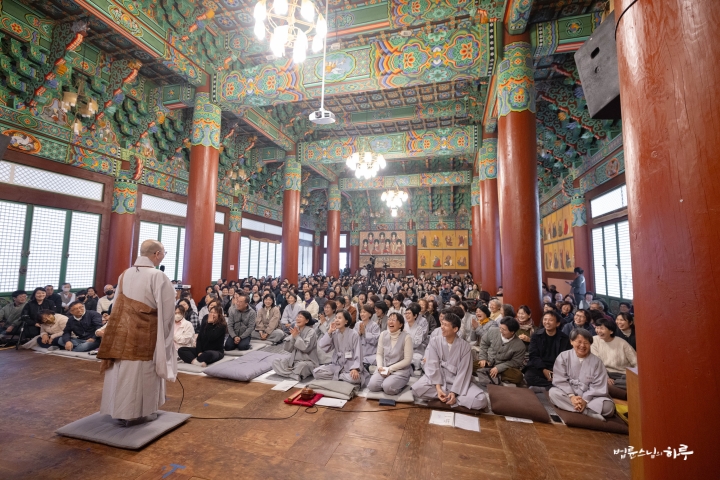
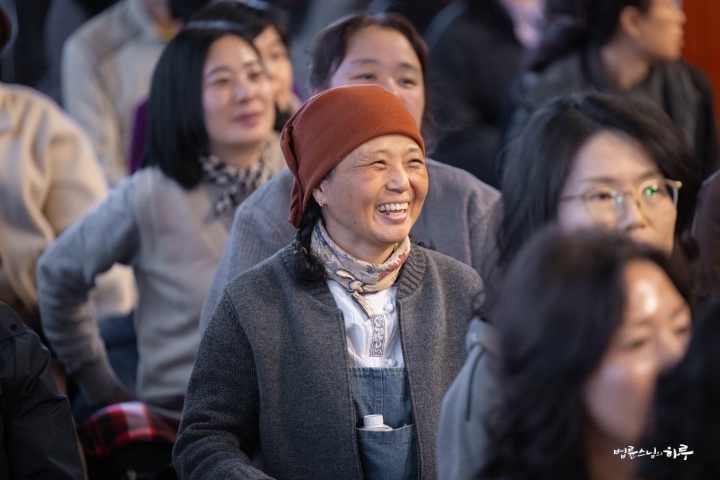
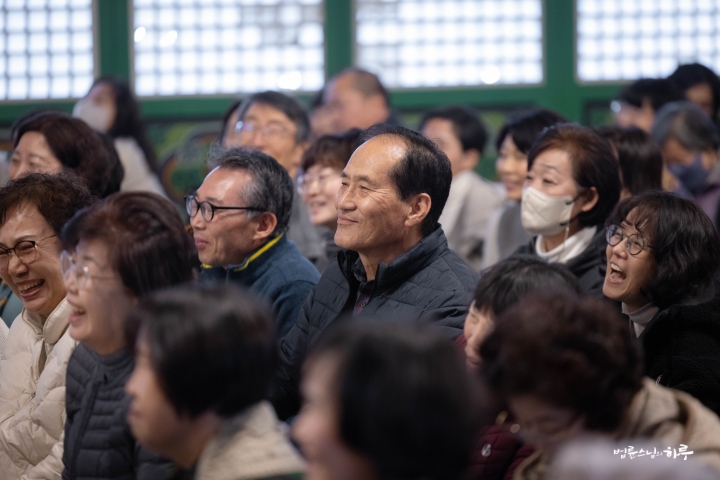
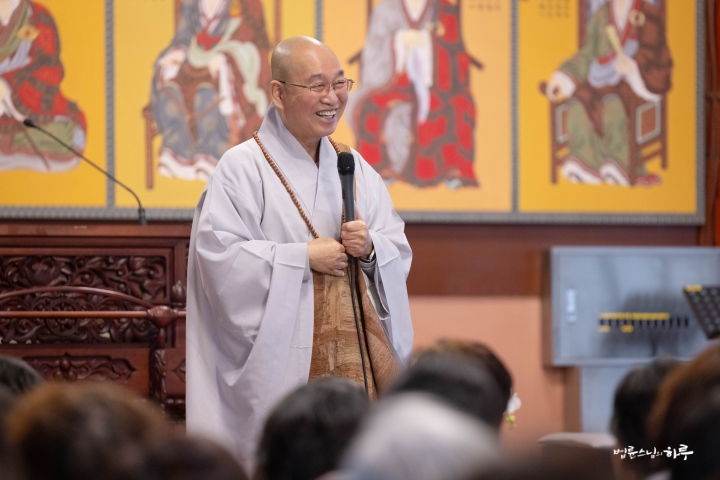
During the hour-long session, five people raised their hands to ask Sunim questions. One person sought advice on how to overcome difficulties in forming relationships with others after being bullied as a child.
I Struggle with Fear of Being Disliked After Being Bullied “I was bullied for a year in middle school. Since then, I’ve found it difficult to form relationships with people. I get nervous when I see groups of women at work or at Jungto Society. Yet when I’m alone, I feel isolated. When someone is in a bad mood, I blame myself and feel regretful. I think I fear being disliked by others. How can I comfort my mind? And what prayer would be helpful for this situation?”
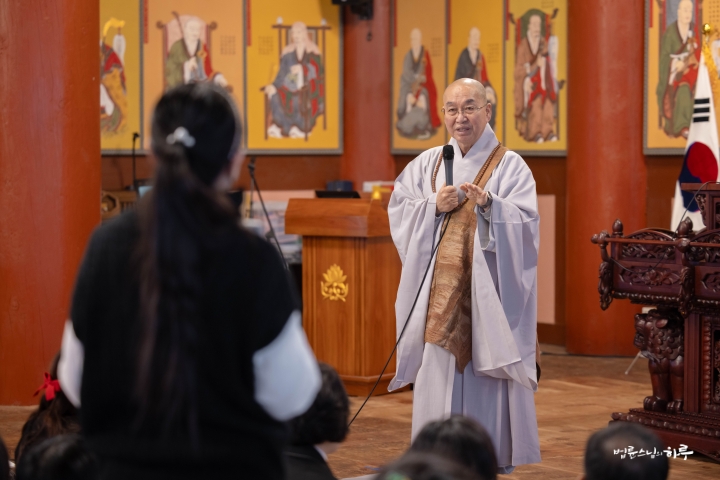
When you feel responsible because someone is looking at you or getting angry, simply recognize, ‘This is my condition.’ Just acknowledge, ‘My illness is flaring up again.’ If you accept the condition you’re living with, there’s no problem.”
“I have two daughters, aged 8 and 14. Both find it difficult to form friendships. My older daughter is struggling so much that she’s dropped out of school. I feel so sorry whenever I see them. I wonder if they’re like this because of me.”
“It’s not just a possibility—they are like this because of you.”“I feel I need to overcome this problem for my children to live well.”
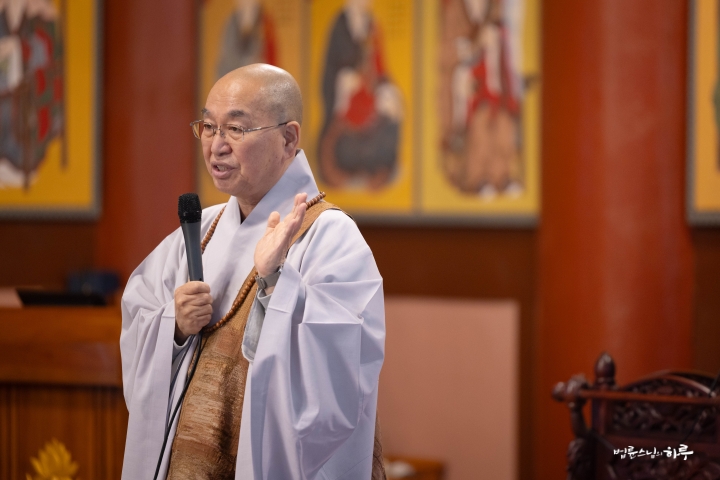
If I were missing an arm, blind, and deaf, and then got married and had a child who was also blind, yes, that would be my influence. But would I have committed a sin? No, I wouldn’t have.
“Sunim, please give me just one prayer to keep in mind when praying.”
“Try praying this, ‘I am content just as I am now.”“Yes, thank you.”
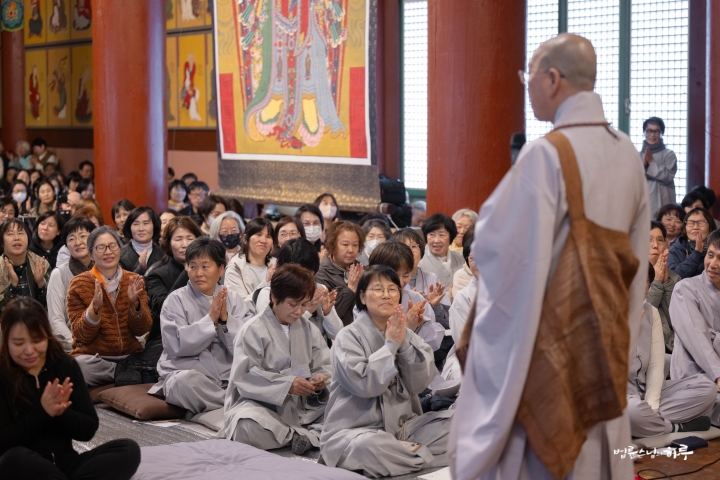
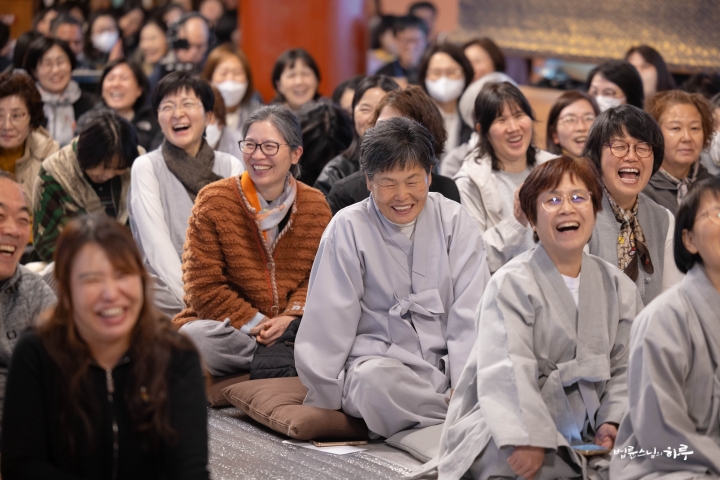
It was a happy time as Sunim and the audience were able to meet and converse directly in an offline space after a long time.
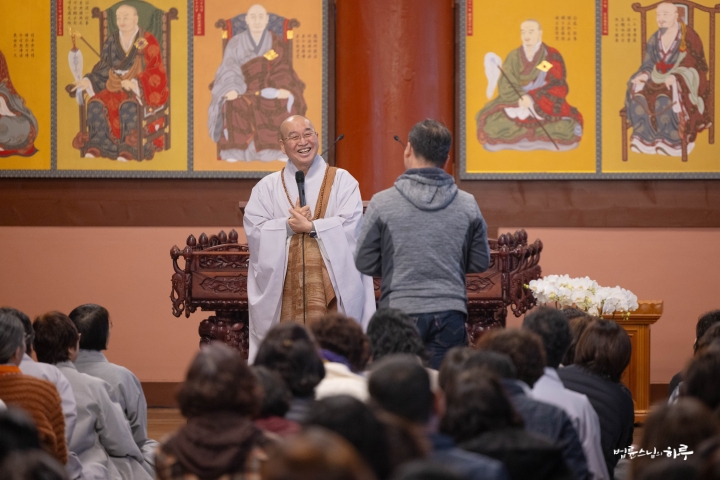
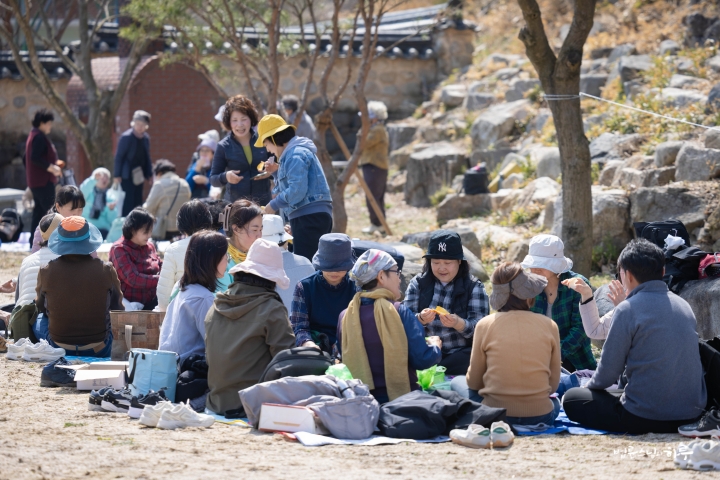
After taking a group photo together, everyone shared their thoughts in small groups and ate lunch boxes together. After lunch, they also did community service work in various places around Jungnim Temple.
Sunim moved to the reception hall where guests were waiting and had tea with them. First, he expressed his gratitude to the officials from Jeollabuk-do Province and Jangsu County who have shown great interest in building the Yongseong Patriarch Memorial Hall. He also offered words of encouragement to Congressman Jung Dong-young, who has been working hard to stabilize national affairs during these turbulent times.
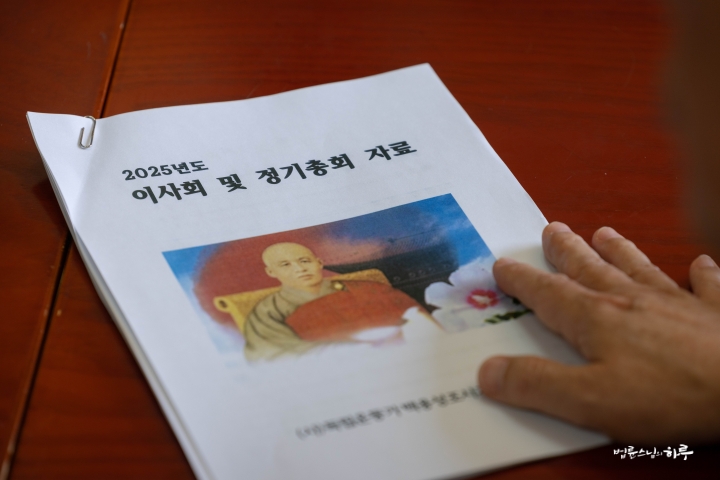
After seeing off the guests, Sunim immediately began the board meeting of the Baek Yongseong Patriarch Memorial Foundation at 1:30 PM. The meeting concluded the 2024 business report and settlement of accounts, and reviewed the business plan and budget for 2025 before adjourning.
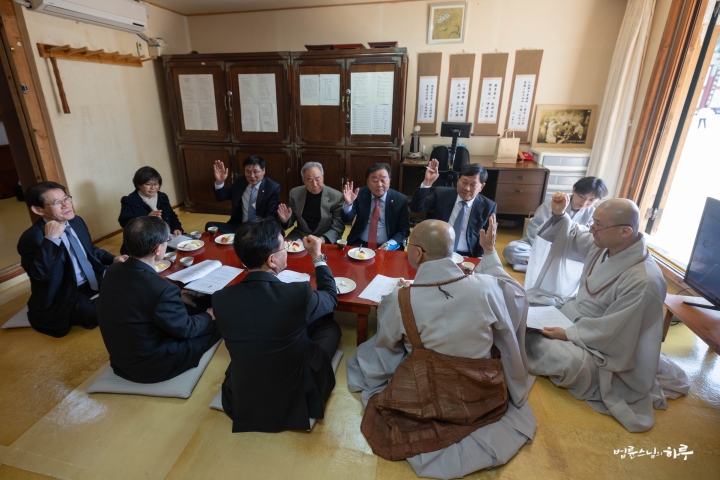
“No, there aren’t.”
“Our county council member, director, and Venerable Yusu have been doing almost all the practical work for the Baek Yongseong Patriarch Memorial Hall. Let’s give them a round of applause. Thank you so much for your hard work.”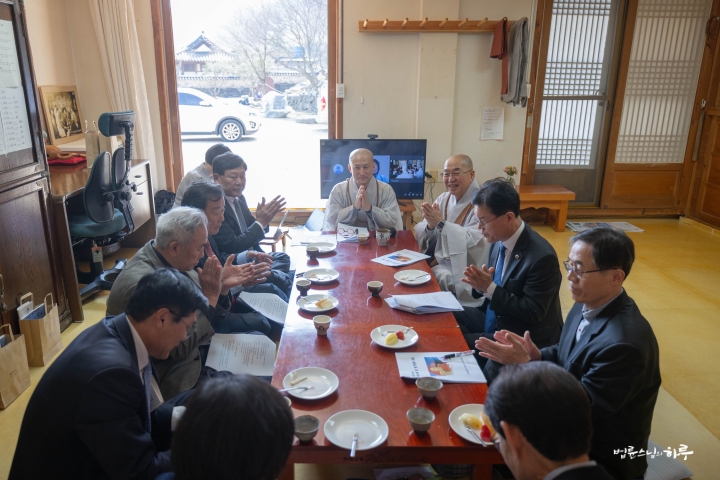
After the board meeting, Sunim added one concern.
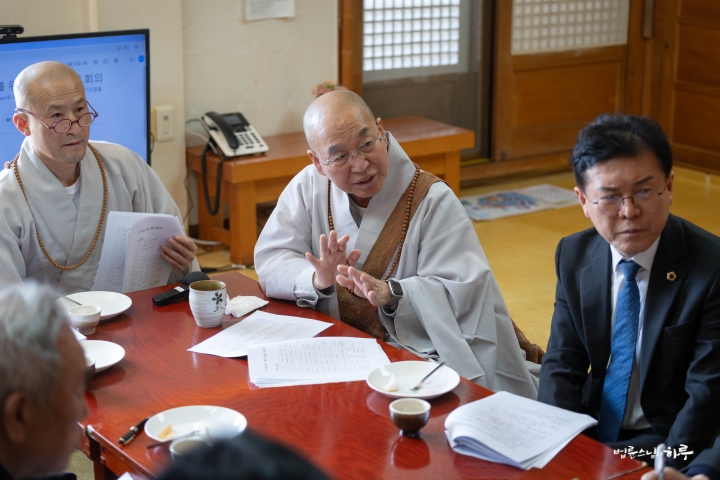
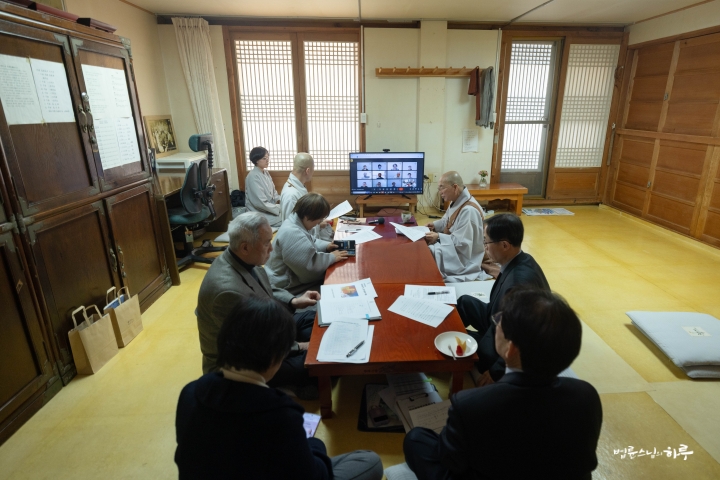
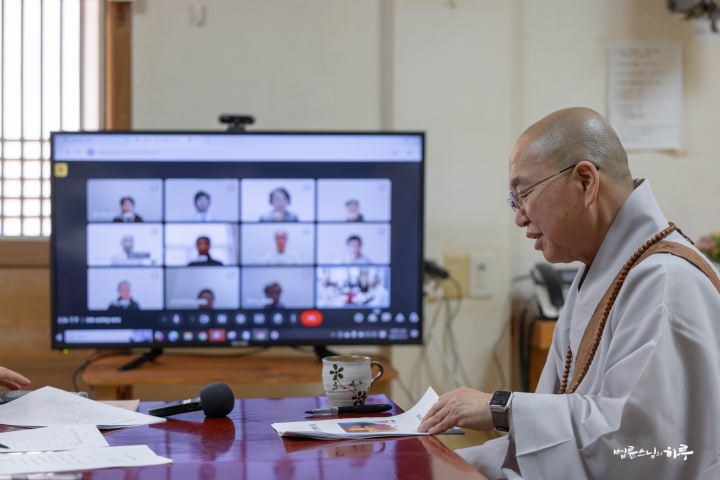
Then at 2:30 PM, the general meeting of the Baek Yongseong Patriarch Memorial Foundation was held. Many members also participated online. The decisions made at the board meeting were reported, members’ opinions were gathered, and the general meeting was concluded.
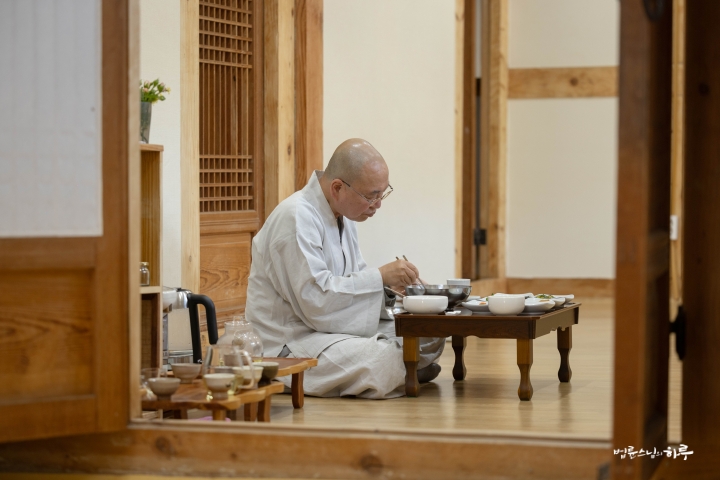
It was past 3 PM when Sunim was finally able to have lunch. The kitchen volunteers reheated the rice and soup that had gone cold. Sunim quickly finished his meal after mixing a small amount of rice and vegetables in his bowl.
Departing from Jungnim Temple at 3:30 PM, Sunim headed to Seoul. After driving on the highway for three hours, he arrived at the Seoul Jungto Center after 6 PM. In the evening, he worked indoors, proofread manuscripts, and concluded his day.
Tomorrow is the 36th day of the 100-Day Dharma Talk. In the morning, Sunim will give the 5th lecture on sutras at the Dharma Hall on the 3rd floor of the Jungto Social and Cultural Center, and in the evening, he will give the 5th lecture of the Buddhist Social Studies Course in the main hall in the basement.