Planting Water, We Plant Water
Sep 12, 2024 - Second Day in Timor-Leste, Visiting PERMATIL
Hello everyone. Today, we visited the PERMATIL (Permaculture Timor-Leste) project site operated by Eugenio Lemos, who was awarded the 2023 Ramon Magsaysay Award for his efforts in creating a sustainable agricultural system in Timor-Leste. We also had conversations with the activists there.
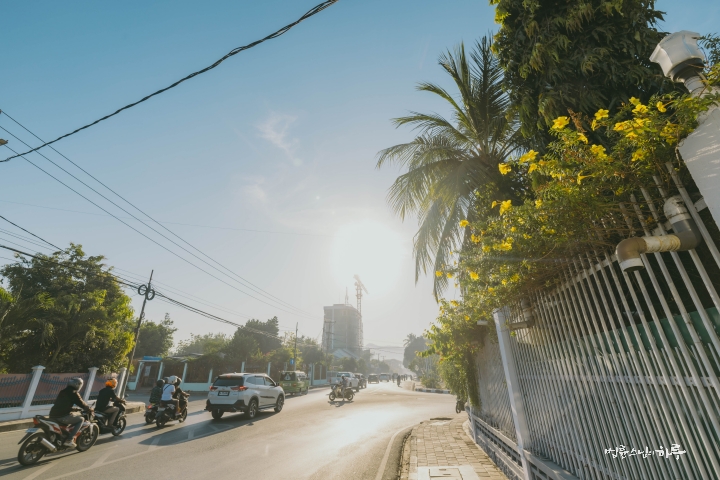
After completing the early morning practice and meditation, and having breakfast, Mr. Lemos came to our accommodation. Together, we visited Mr. Lemos’ mother’s house.
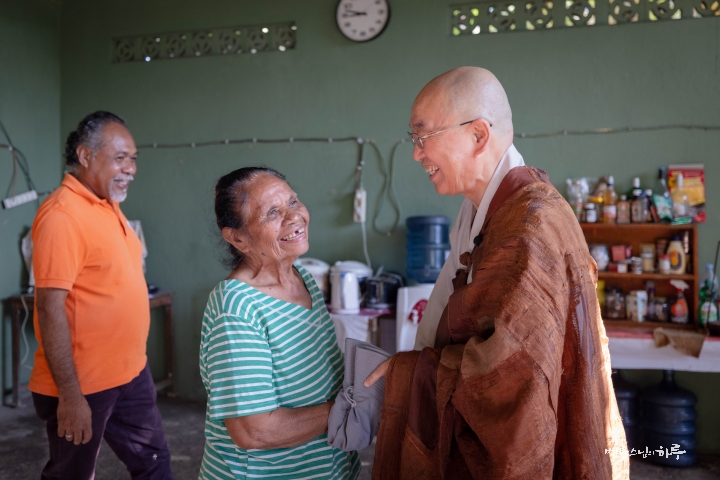
Since we had heard detailed stories about his mother’s life from Mr. Lemos yesterday, we greeted her even more warmly.
“Yes.”
“Living in the mountains and farming is hard work, but it’s good for your health because it provides exercise.”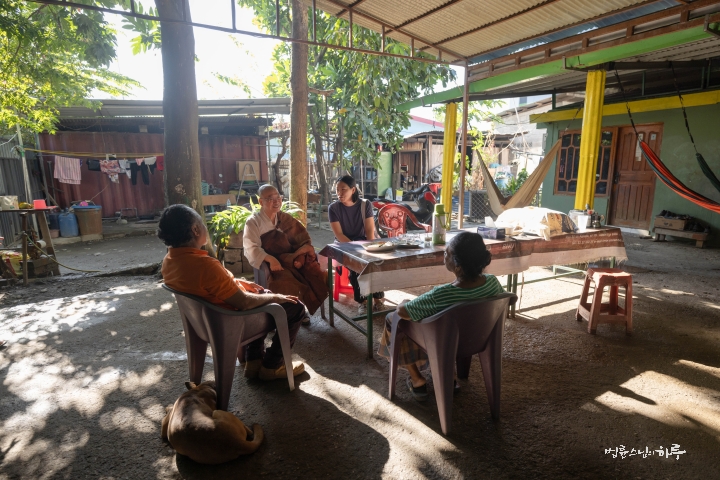
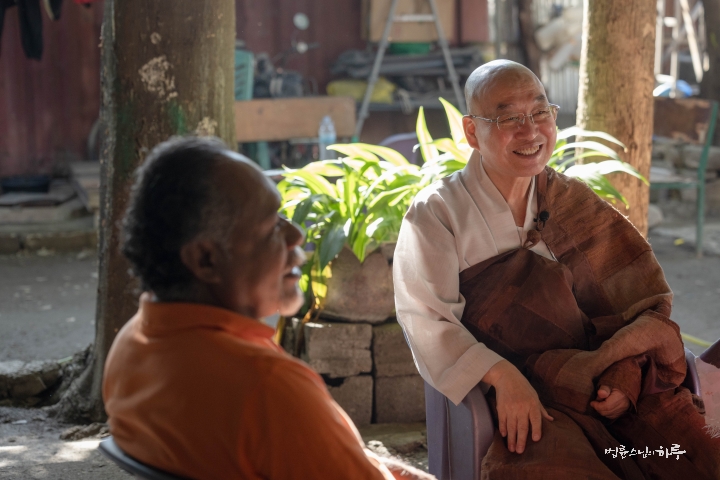
Mr. Lemos’ mother looked healthy despite being 79 years old. However, her health has recently deteriorated, so family members are staying with her. In the yard, they were raising various livestock including goats, chickens, ducks, and dogs.
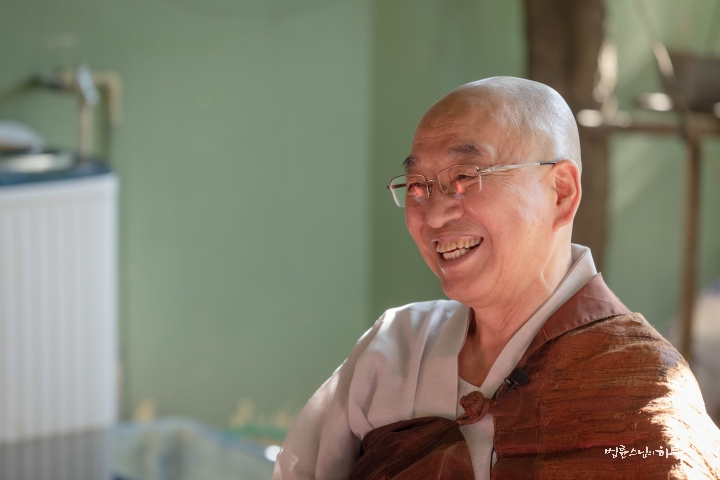
“Yes, that’s right. We don’t waste any food in our house.”
Mr. Lemos’ wife served us coffee grown in Timor-Leste and sticky rice cakes made from bananas.
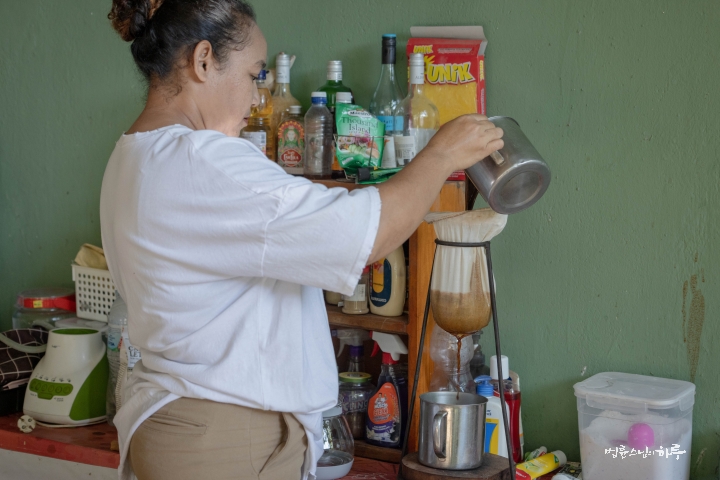
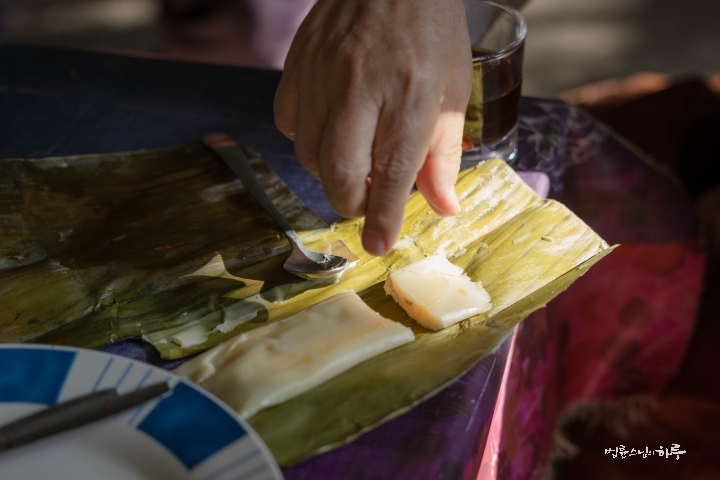
While having a cup of coffee, Mr. Lemos played the ukulele and sang for us.
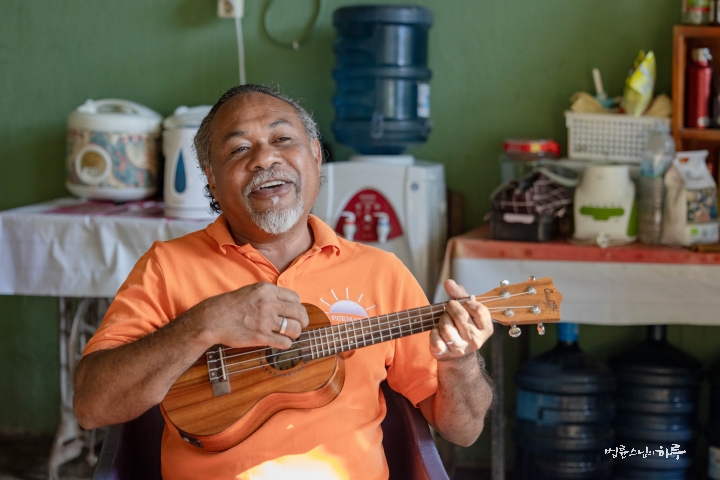
“This is a song wishing for peace and harmony in Timor-Leste.”
Sunim also clapped along, joining in the wish for peace in Timor-Leste. Apologizing for not bringing a gift for his mother, Sunim gave her some spending money.
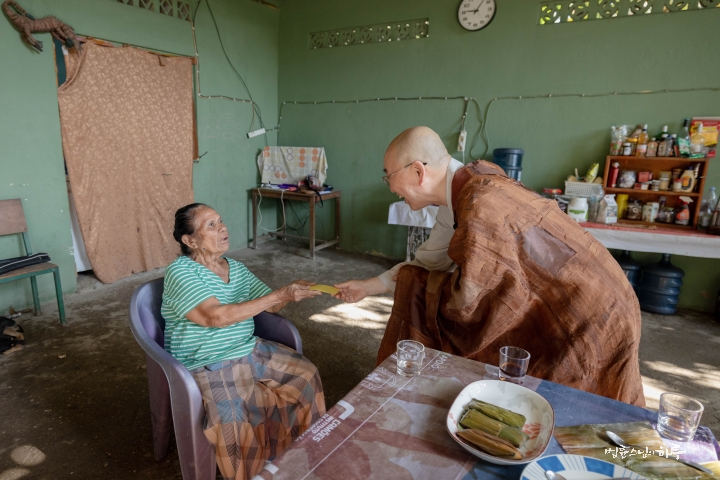
After greeting Sunim’s mother, we headed to the PERMATIL office where Ramos works.
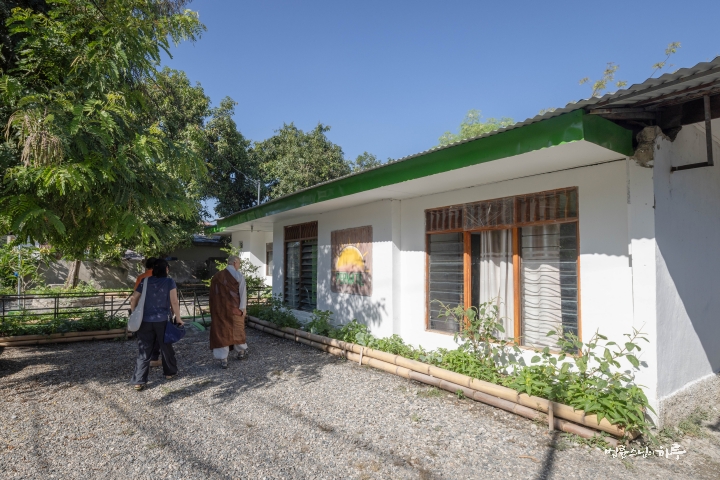
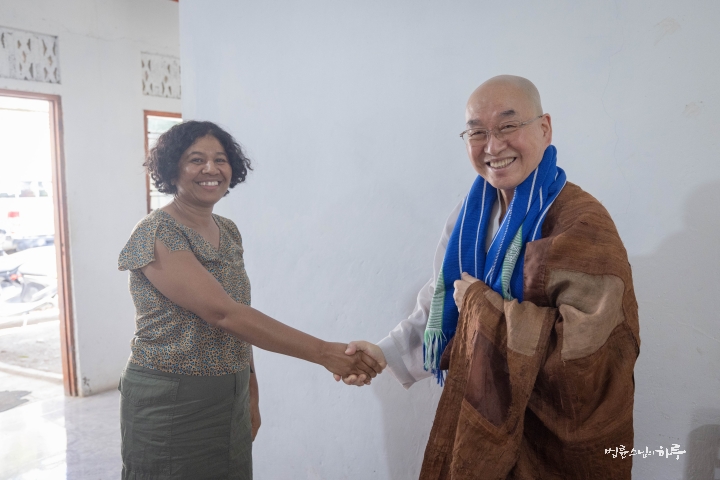
Upon arriving at the office, about 15 activists were waiting for Sunim. They exchanged warm greetings, and each person introduced themselves and their work.
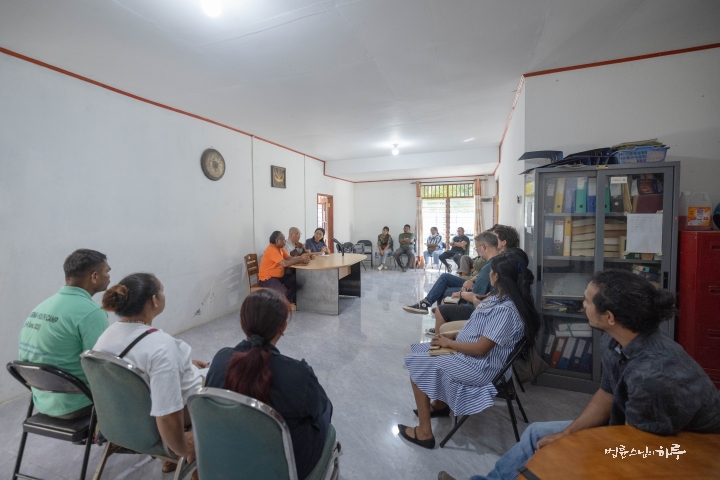
Sunim also introduced himself and shared the story of how he came to visit East Timor.
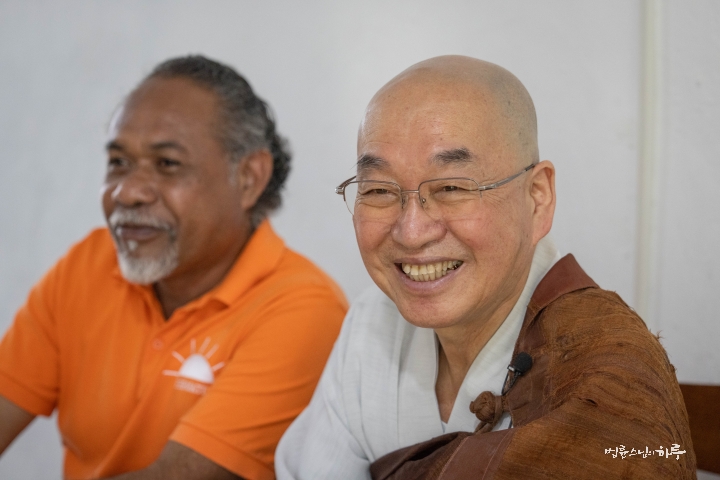
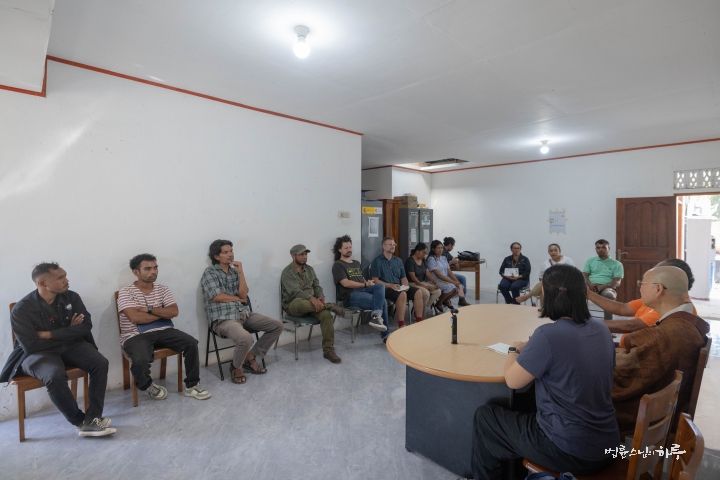
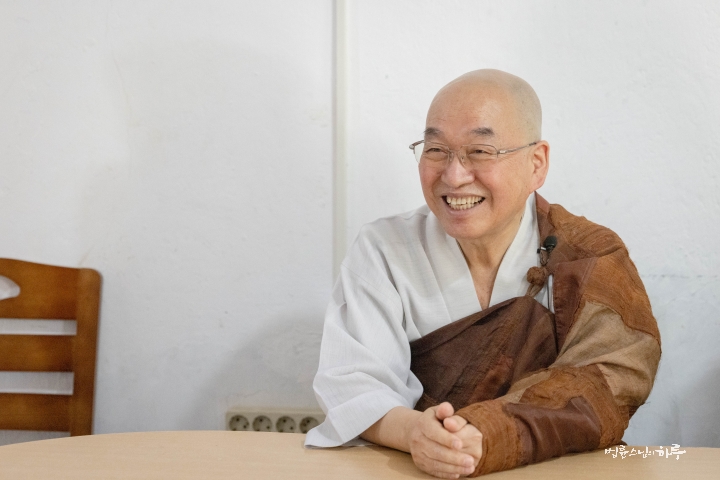
My main work involves counseling people with mental and emotional difficulties and helping them overcome their suffering. As a result, many people who feel they’ve benefited from my help have become donors and supporters. With their donations, we’re able to help people in need around the world. In developed countries like Switzerland, Germany, New Zealand, and Australia, I mainly act as a counselor helping people resolve their inner turmoil. In less developed countries, we focus more on helping people in need. In Syria, we’re helping earthquake-affected refugees, and in Bhutan, we’re creating sustainable development models in preparation for the climate crisis era. While I was in Australia for a lecture, I wanted to take the opportunity to visit you all, since you’re relatively close by.
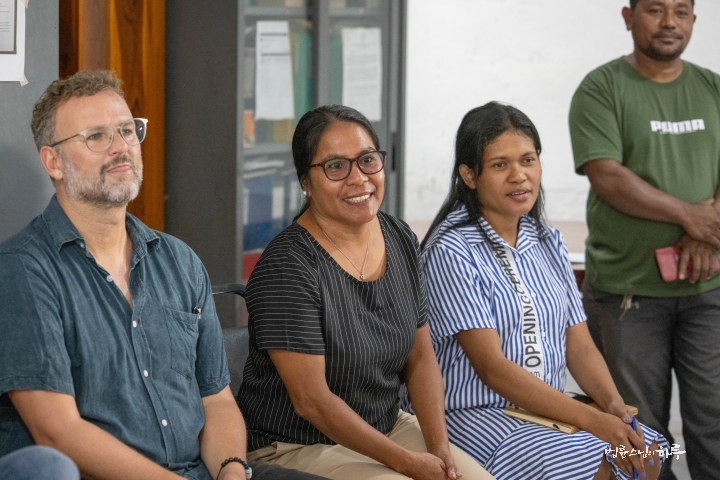
“Since East Timor officially gained independence in 2002, I’ve had a desire to visit the country. However, the opportunity didn’t arise until last year when I met Mr Ramos. Through that connection, I was finally able to visit East Timor. I heard that it would take more than 10 days to fully explore all the work you’re doing in East Timor. This time, due to scheduling constraints, I could only spare one day. However, for my next visit, I’ll make sure to allocate more time so that I can thoroughly explore everything.”
Continuing, Mr. Lemos briefly introduced his work at PERMATIL.
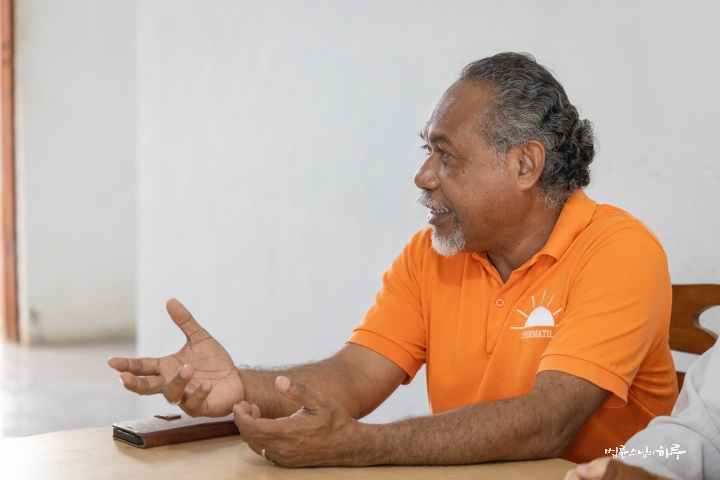
“Let me introduce PERMATIL. PERMATIL was formed in 2001, and as soon as East Timor gained independence in 2002, PERMATIL became an officially registered organization. I started PERMATIL to help local communities and manage natural resources well. East Timor has lost so much of its nature and culture due to long colonial rule and war. I thought it was important to revive local communities, the environment, and culture through PERMATIL. That’s why PERMATIL operates programs nationwide.
A Nationwide Project to Revive Local Communities and the Natural Environment
Although PERMATIL is a small organization, we operate according to the ethics of permaculture. Permaculture is a comprehensive methodology for creating and managing sustainable agricultural systems. There are three ethical principles of permaculture: first, care for the earth; second, care for people; and third, fair distribution. We try to do as much as possible with little money. So we utilize natural methods as much as possible.
Currently, PERMATIL has 22 staff members and over 50 volunteers. Our activists work all over the country, with an additional 8 people working in Oecusse, located near the border. Our main activities include water conservation and running programs for youth, such as school gardening. We would like to hear Sunim’s wise words about water use, environmental conservation, and creating peace.”
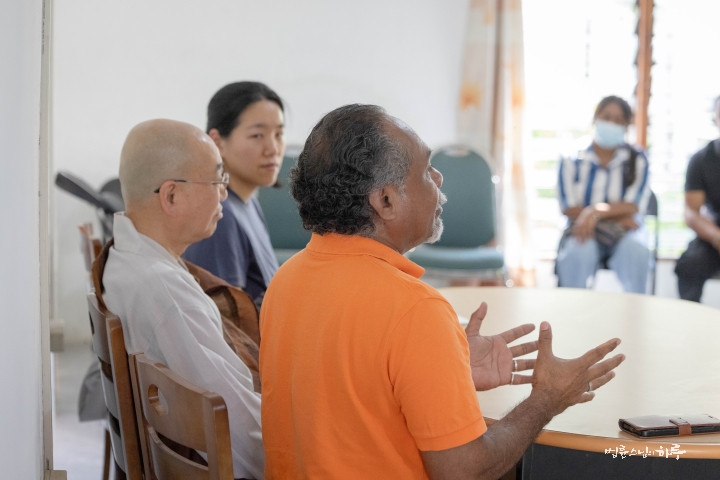
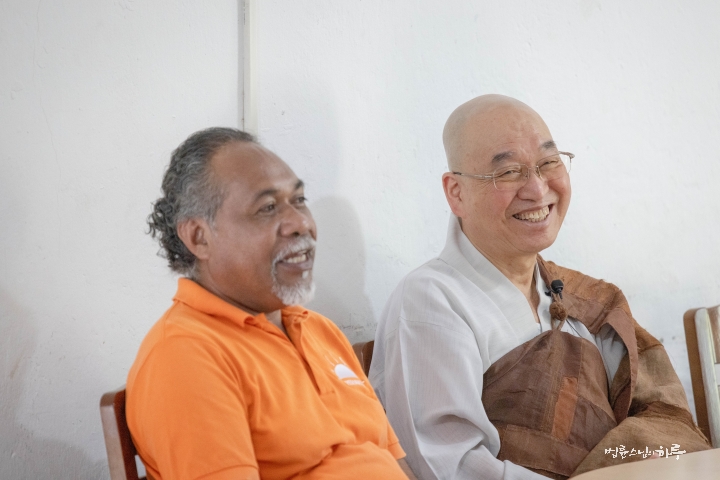
At Mr. Lemos’ request, Sunim shared a story about how the Buddha peacefully resolved a water dispute and then talked about how to manage water resources well.
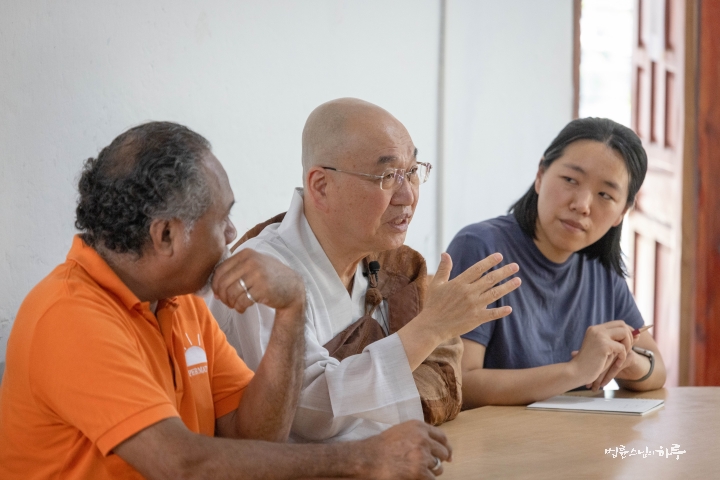
Which Is More Important, Water or People’s Blood?
One year, a drought occurred, and water became scarce. One tribe suggested that rather than both tribes ruining their crops with such limited water, it would be better to give all the water to one tribe so that at least one side could farm properly. The two tribes fought over who would take the water for farming. The verbal dispute turned into a fistfight, which soon escalated into a collective conflict between the two tribes. As the situation was about to turn into a war, the Buddha intervened by calling the leaders of both tribes for mediation. ‘Which is more important, water or people’s blood?’ ‘Of course, people’s blood is more important. How can we compare insignificant water to precious people’s blood?’ ‘Then why are you about to spill that precious blood like water for the sake of insignificant water?’ Hearing the Buddha’s words, the leaders of both tribes came to their senses. They had been blinded by emotion, but now their minds were clear. Reflecting on their foolishness, they cooperated with each other and successfully overcame the drought that year.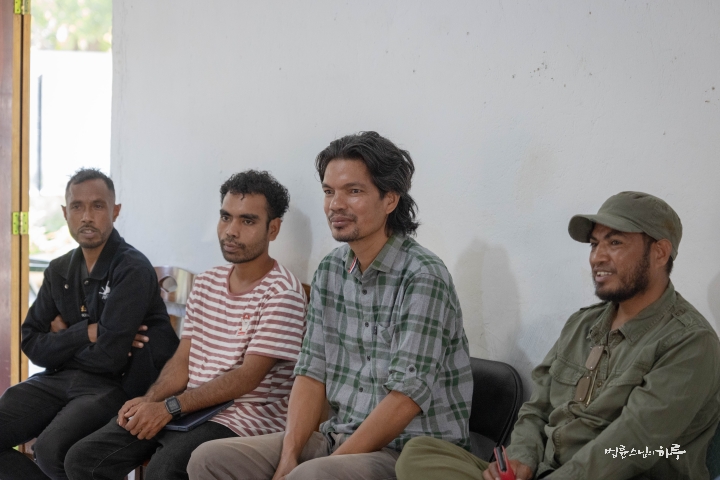
The Importance of Planting Trees
When Korea was under Japanese colonial rule, the Japanese cut down many trees, and during the Korean War in 1950, most of the trees were burned. Almost all the mountains in Korea became bare. Now, all the mountains in Korea are covered with forests. As a result, flood and drought damage have decreased. On the other hand, North Korea, which is located on the same Korean Peninsula, is not like this. There are still many bare mountains without trees. This is because North Korean residents have to continue cutting down trees to use as fuel for their daily lives. Although North Korea has abundant coal resources, their economy is struggling, making it difficult to mine, and most of the mined coal has to be exported, so residents can’t use it. As a result, even a little rain causes severe flooding, and even a short period without rain leads to drought. In the recent typhoon, many North Korean residents lost their homes due to flooding.
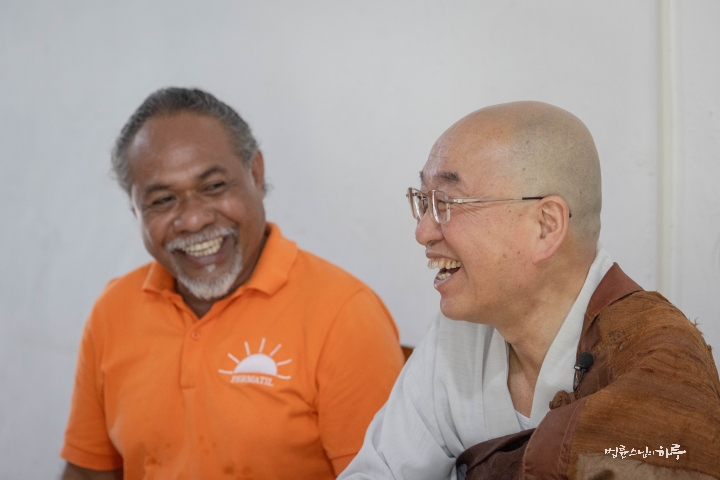
Next, Sunim received questions from PERMATIL activists. The activists asked Sunim about Korea’s forest policy and his social activism.
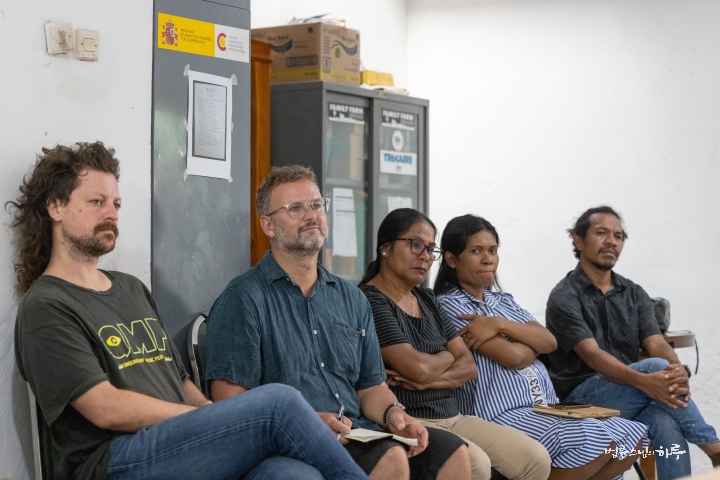
What policies did South Korea use to reforest? In East Timor, people are also cutting down many trees.
Your activities seem to have many similarities with PERMATIL. How did you come to engage in such excellent social activism?
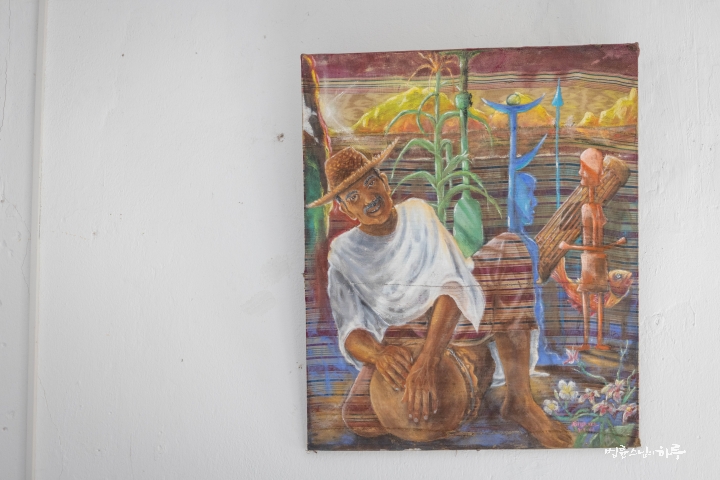
As we conversed on various topics, two hours quickly passed. After the conversation, the activists presented Sunim with cloth woven by East Timorese women as a gift.
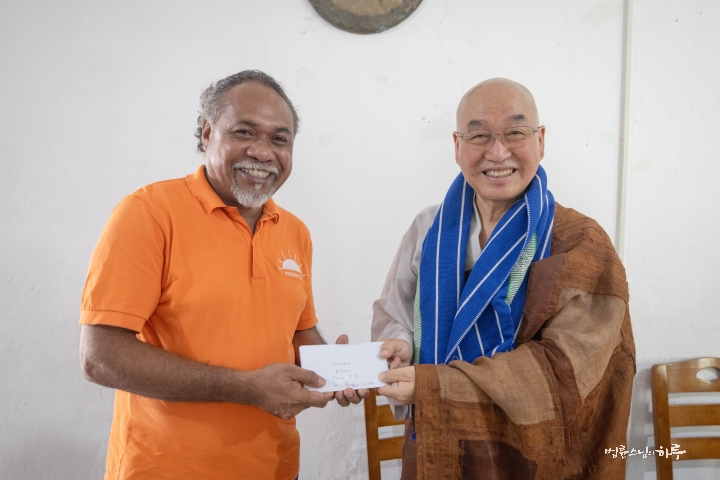
Sunim presented a donation to the Permatil activists to be used for preserving water resources in East Timor.
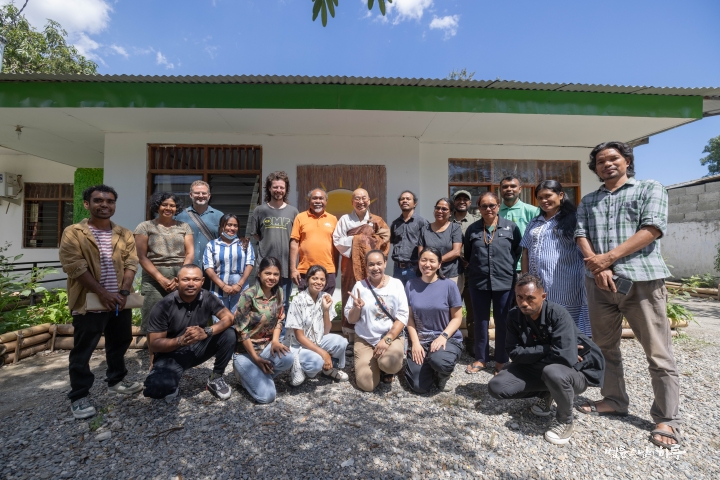
After taking a commemorative photo together outside the office, we visited sites where Permatil activities are actively taking place.
Going south from Dili, you reach Aileu Province, where various activities were taking place in many areas.
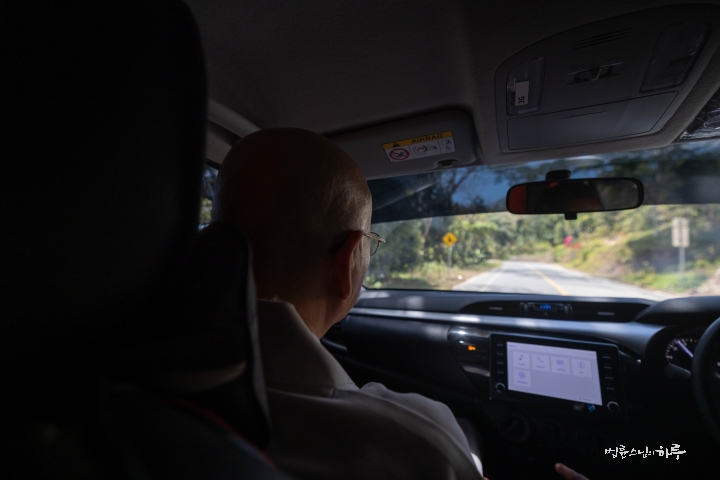
“Water is most scarce now during the dry season. The rains start in mid-November.”
After driving for about 30 minutes, we briefly got out to examine the water tanks installed in each mountain valley. Mr. Lemos gave a brief explanation about the water tanks.
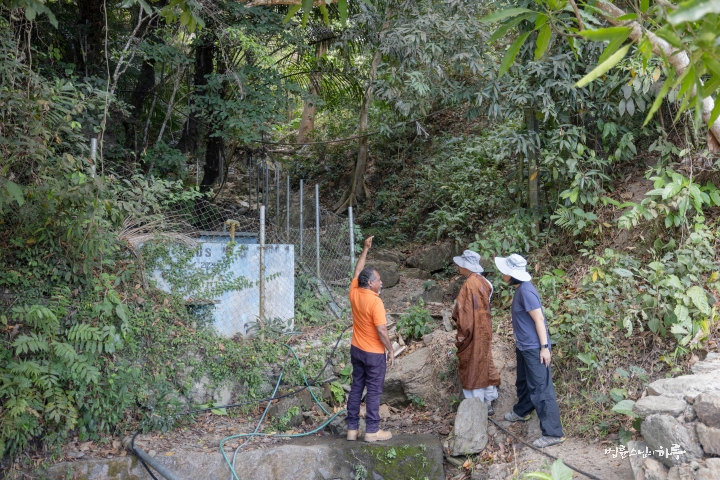
“We’ve done all the work to ensure rainwater seeps well into the ground, so the water source has been revived. As a result, thousands of residents down below are living off the water from these tanks. For the past five years, no matter how much they dug, no water came out in the village. Now, when they dig, water comes out.”
“That’s excellent. But when water is made available to each household, people often waste it. How do you regulate that?”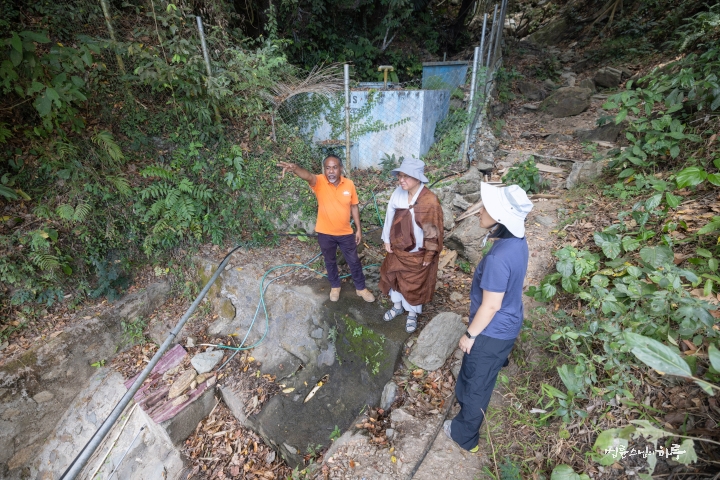
“It’s difficult to regulate. But five years ago, there were many conflicts over water. Now, at least there are no conflicts. Permatil’s goal is to restore 50 to 100 water sources annually. We create water sources upstream and supply water to villages using gravity. We use natural methods without using electrical energy. The residents are too poor to pay water bills. But the government tries to control residents with water. We are making it possible for residents to use water for free.”
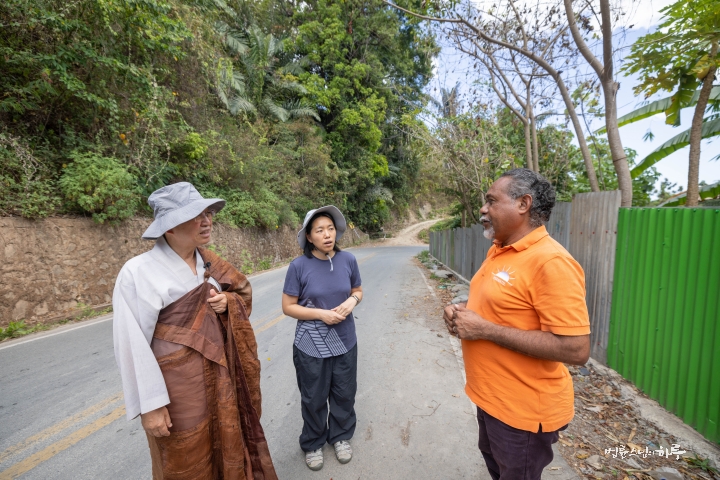
“It costs between $1,000 and $2,000.”
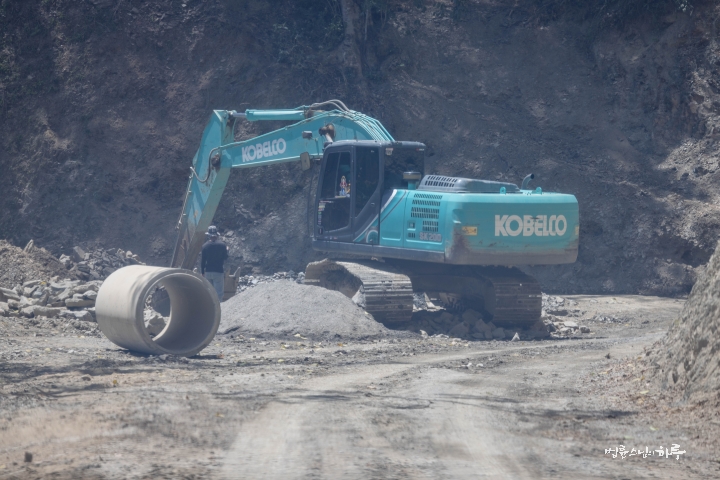
There are over twenty water tanks installed in each mountain valley. We got back in the car and moved on. As we crossed the mountain ridge, road repairs were in full swing where a landslide had occurred last year.
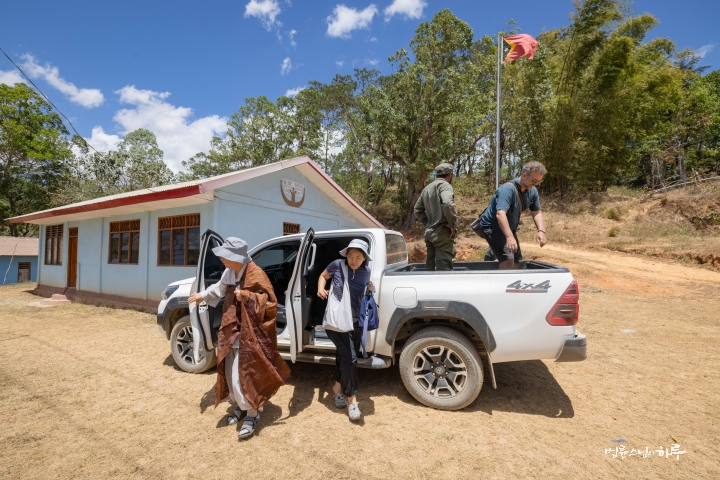
When we arrived at the township office, the township head warmly welcomed Sunim. We received a detailed explanation about the current status of water supply in the village.
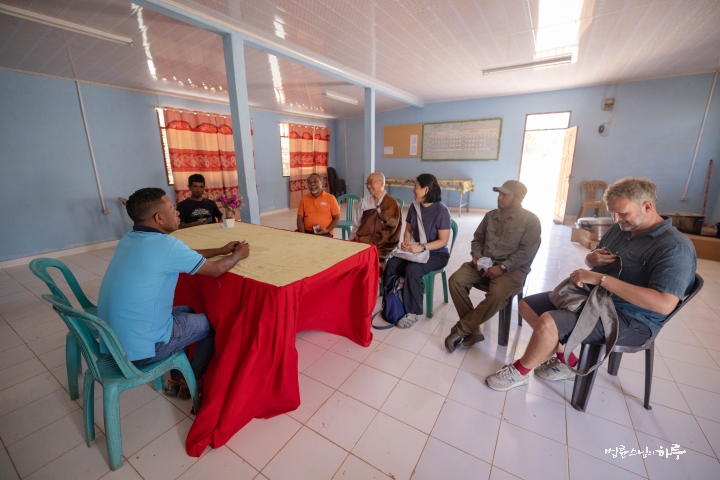
“There are three villages here. One village on top of the mountain has sufficient water, but the two villages at the foot of the mountain lack water. Due to road construction, the water pipes were cut off, so the villages at the foot of the mountain are not receiving any water supply at all.”
“Will there be no problem with water supply once the road construction is finished and the water pipes are reconnected?”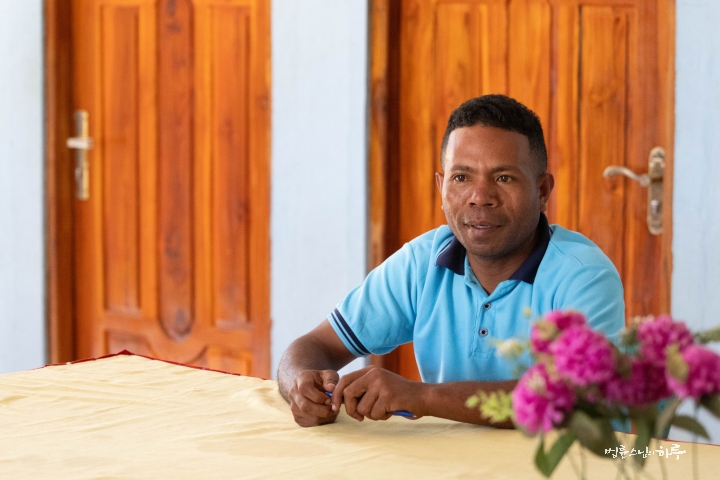
“There will still be a shortage of water. This is because there isn’t enough water at the source itself.”
“What is the fundamental solution?”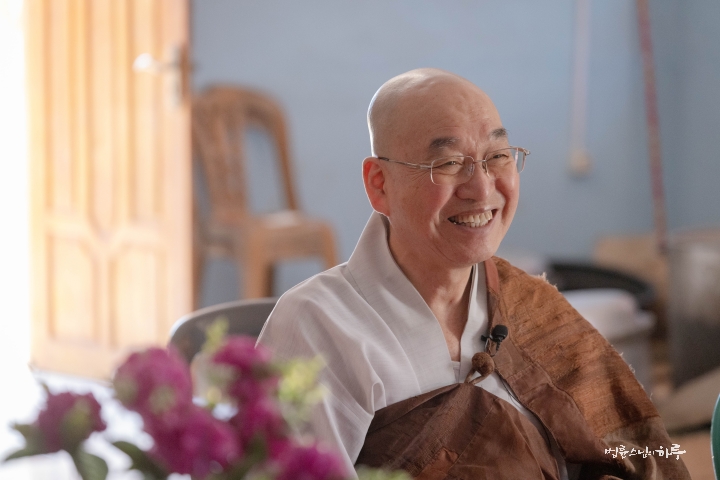
“We need to increase the amount of water at the source. That’s exactly what Permatil is doing. I’ll explain while showing you the site directly. We’re preparing to spread the successful case from this village to the entire region.”
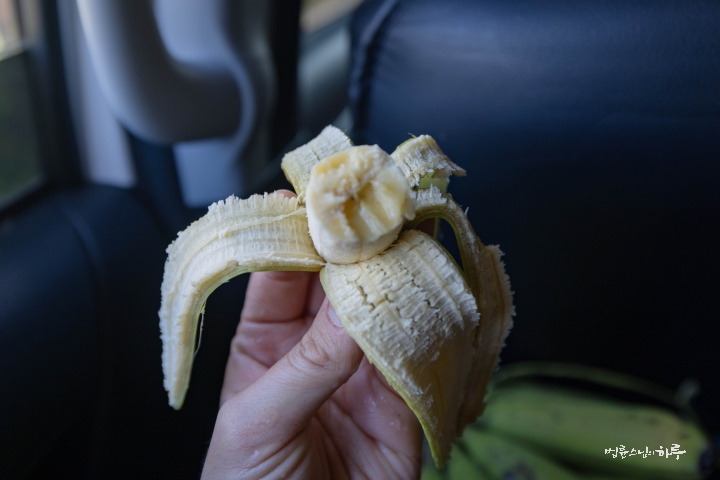
We got in the car together and visited the water source first. While driving, Mr. Lemos bought bananas from the village as a snack, which we ate together in the car.
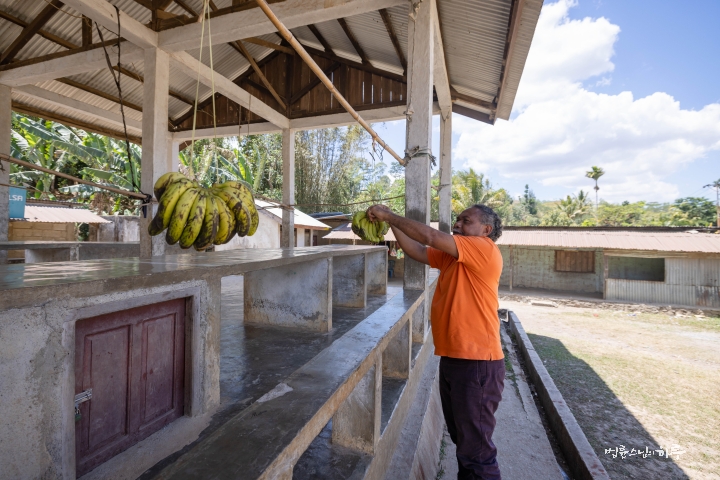
We arrived at the water source at 1 PM. It was 4km away from the township office. Mr. Anis, who is in charge of the youth department in the village, guided us to the water source.
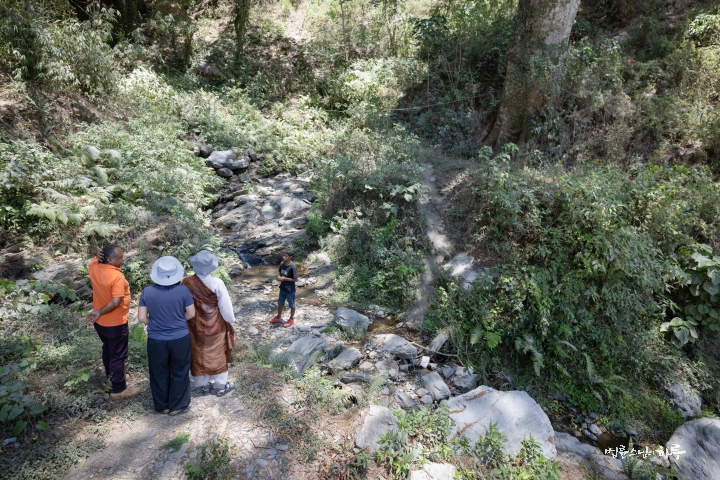
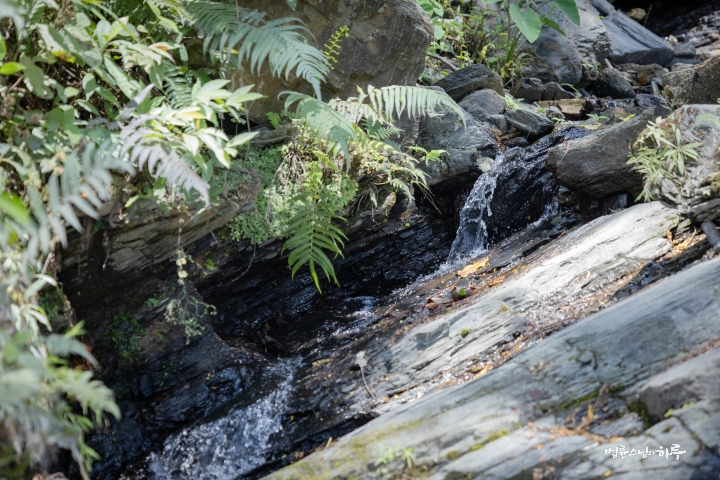
Water was continuously flowing even during the dry season. Sunim asked the youth department head:
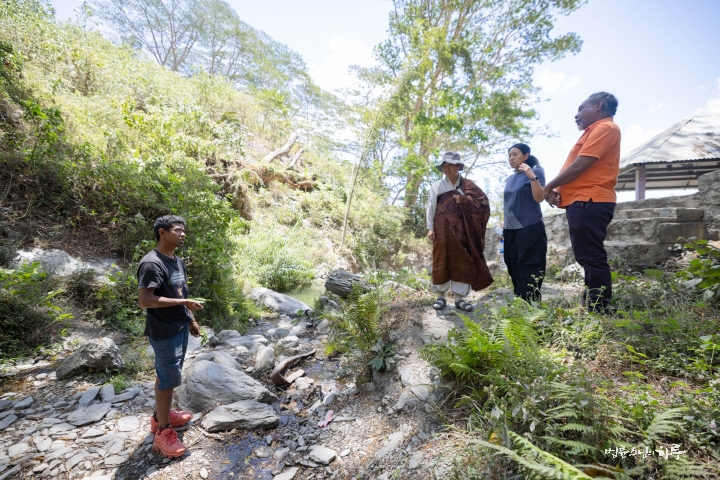
“Yes, I think it’s possible. All the villagers need water, and because it will benefit them, I think everyone will participate if we propose collective labor.”
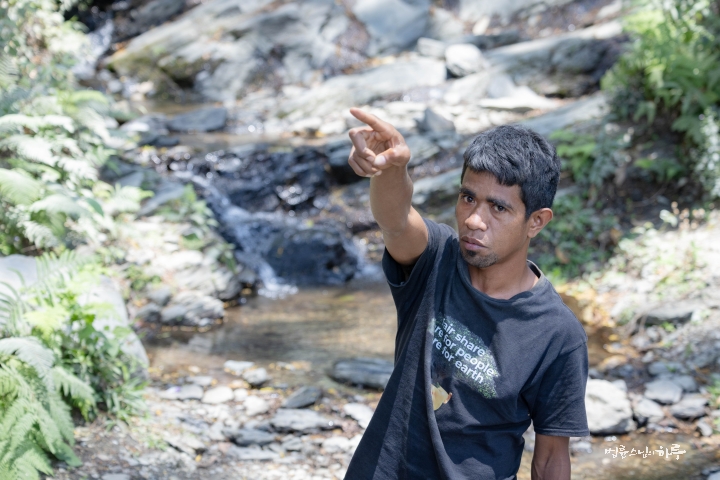
As a result of years of effort by Permatil activists, the water at the source was increasing, so it seemed that if a water tank was built, water could be supplied smoothly to the entire village.
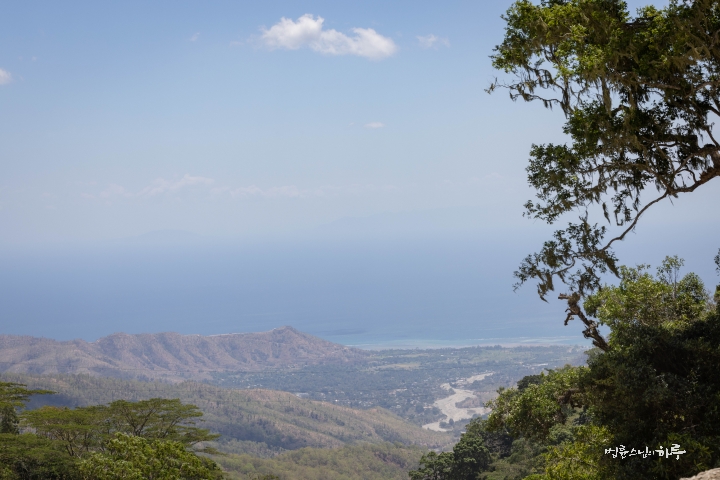
We got back in the car and moved to the Youth Permaculture Center for lunch.
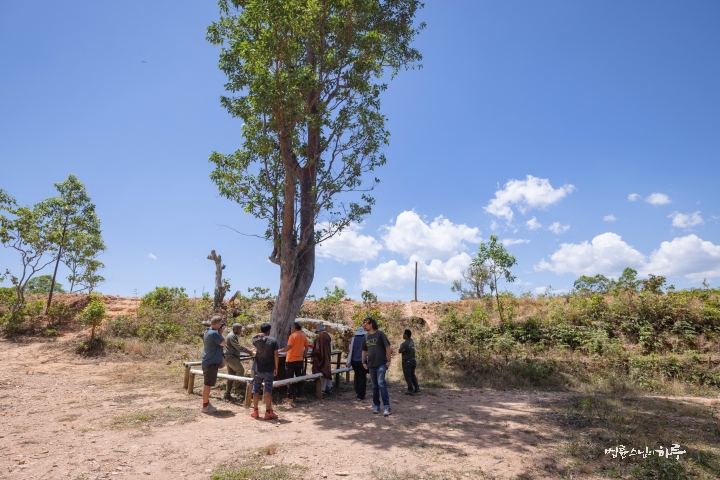
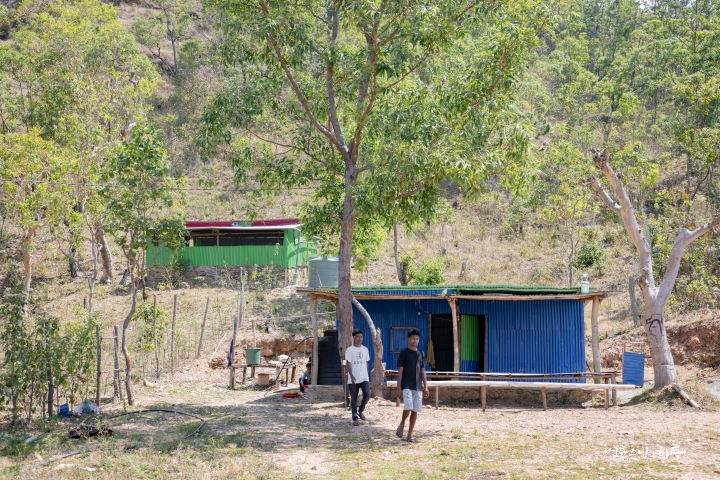
“Young people had a camp here. There are six places like this.”
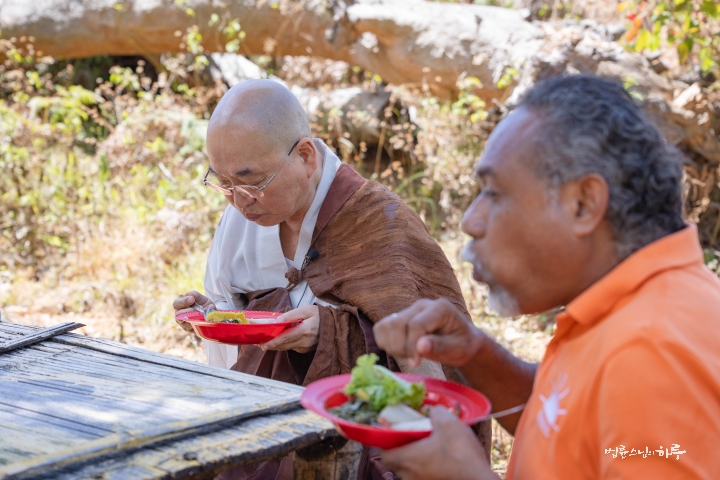
Taro, cassava, sweet potato, lettuce salad, stir-fried cassava leaves, rice, coffee, and various foods were prepared. They said all the food was grown by themselves.
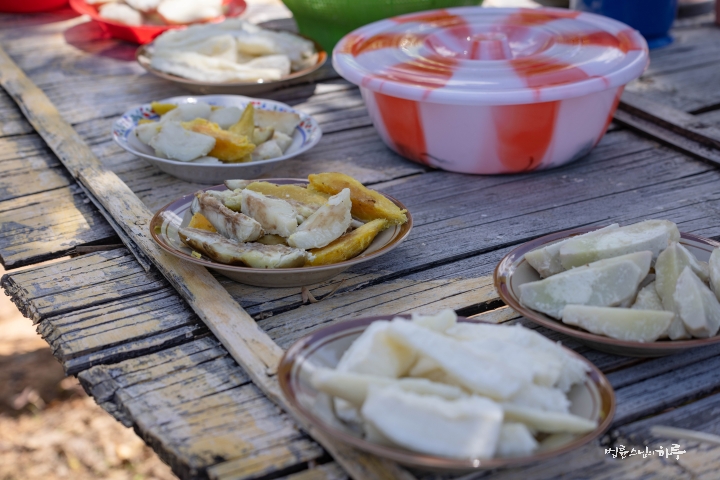
We had our meal under a tree.
After finishing the meal, Sunim explained the principles under which JTS operates.
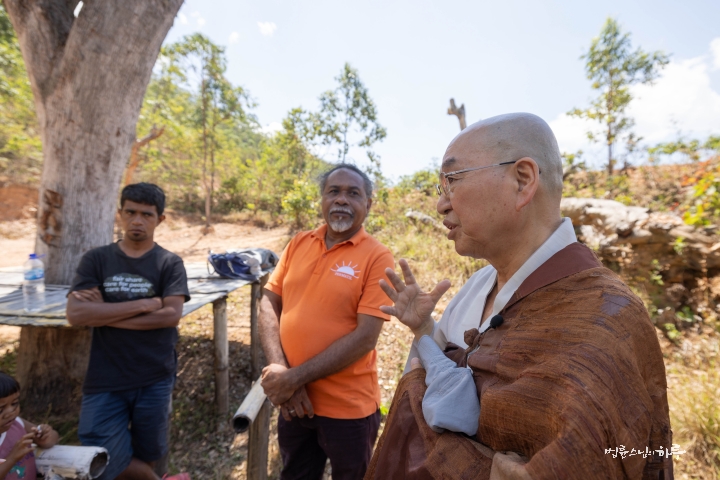
JTS Operating Principles
For example, when building a school in Mindanao, Philippines, four entities – the villagers, the Department of Education, local government, and JTS – come together for meetings. The villagers provide land or labor. The local government provides technicians, as JTS principles prohibit paying for labor costs. JTS provides all materials needed for school construction. In poor villages, we also provide educational supplies like notebooks and pencils when a school is built. The Department of Education dispatches teachers to teach the children. These four entities sign a Memorandum of Understanding (MOU) to carry out the project together. However, when building a school for disabled children in a city, villagers may not be able to participate. In such cases, the local government provides the labor costs. This is how we collaborate.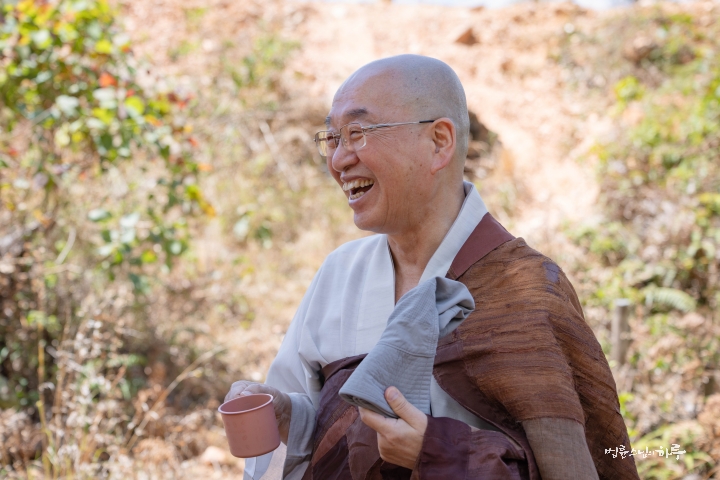
“Yes, that’s possible. In my experience, in such cases, residents bring their own food and share it together.”
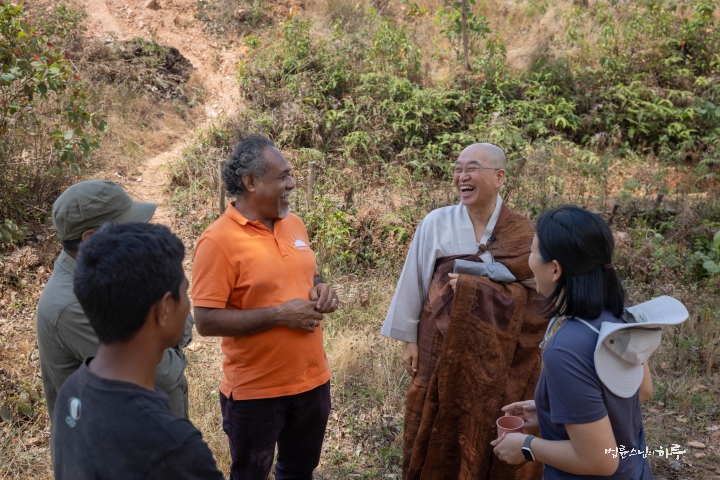
“Yes, the village head can confirm and get promises from all residents regarding their participation.”
“That’s right. We need to get signatures confirming that all villagers have agreed. Once the villagers say they’ll do it, that’s when the work begins. We calculate everything – the length of pipes that will go underground, how much cement, gravel, and sand will be needed, the volume and size of the water tank – and submit it. Then JTS provides the necessary materials.”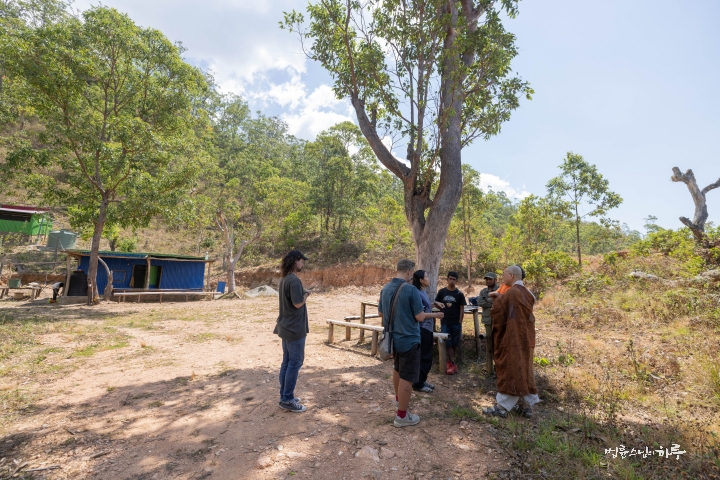
After the conversation under the tree, we continued our field trip. We climbed up the mountain behind the Youth Permaculture Center together.
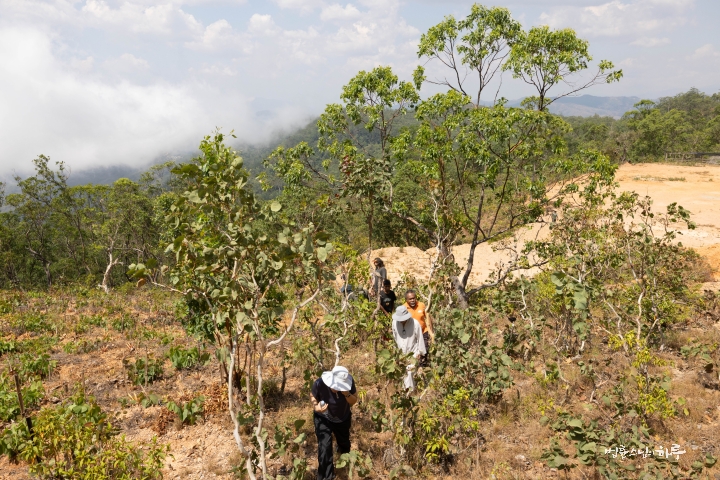
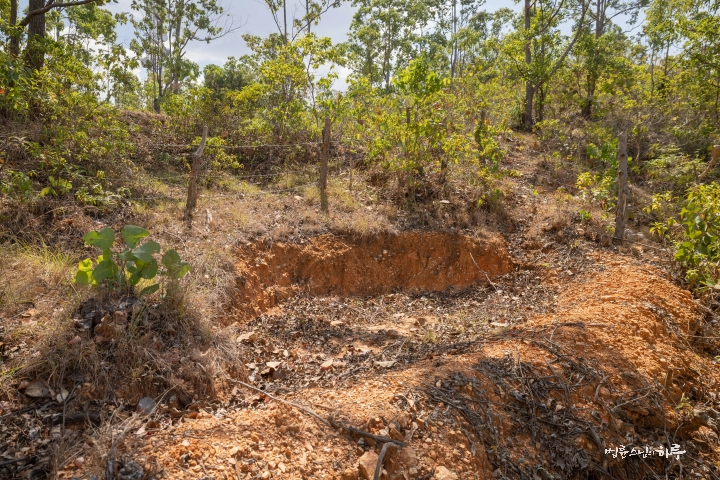
As we climbed the mountain, Mr. Lemos showed us several holes he had dug himself. He explained that these holes were for collecting rainwater and allowing it to seep into the ground.
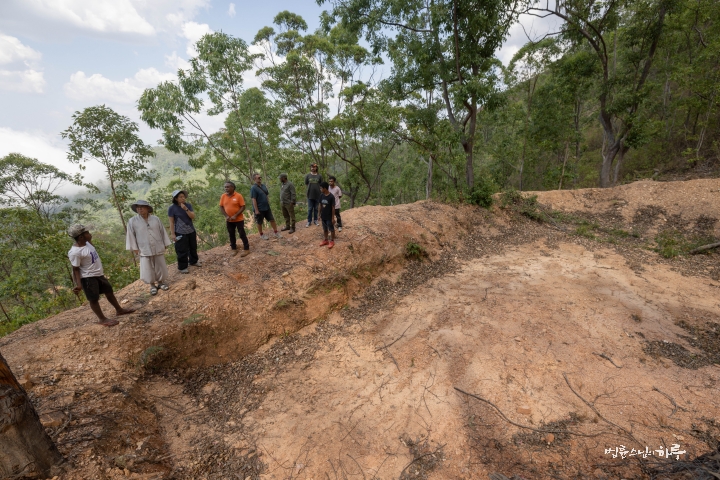
Planting Water: We Plant Water
“During the rainy season, water collects in these holes and is absorbed into the ground. We’re trying to capture as much rainwater as possible and let it soak into the earth. Once the water pools, there’s less runoff. In the past, even when it rained heavily, water wasn’t stored in the mountains but washed away. So we dug these holes all over the mountains. As rainwater collects in the holes and seeps into the ground, the springs below have started to have more water.”
“Even if it rains a lot, don’t the holes overflow?”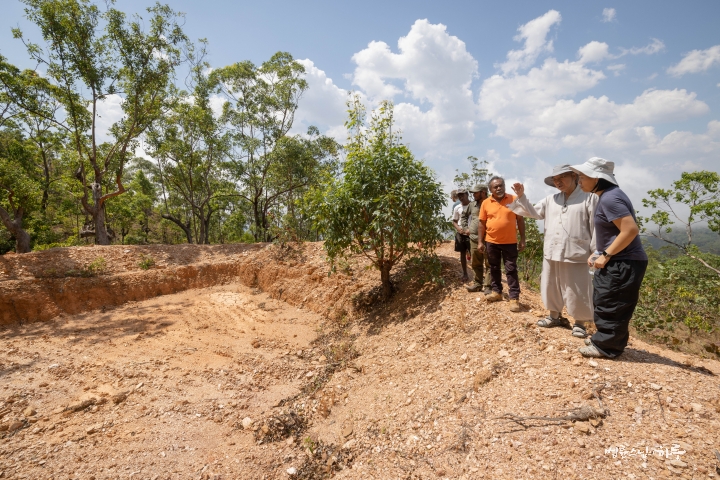
“They don’t overflow because the water is absorbed into the ground. That’s why we call this ‘planting water’.”
“That’s right. ‘Planting water’ is an accurate expression. In arid regions, when you dig holes and water collects, trees are planted there. The trees grow much better because there’s less water loss.”
Holes of various sizes were dug everywhere to collect rainwater.
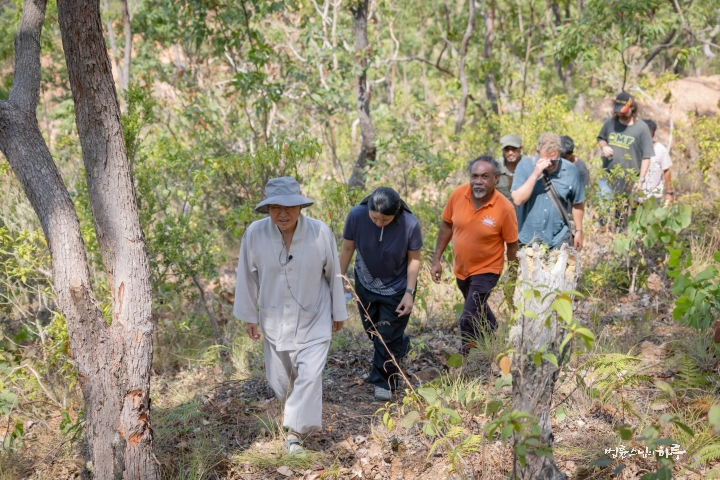
As we climbed a bit higher up the mountain, we came across a building that was used as a Portuguese battle base. Later, it was reportedly recaptured by the Indonesian army.
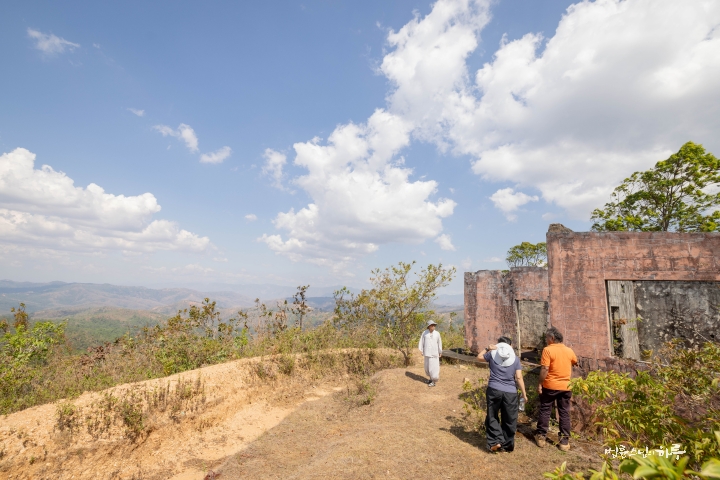
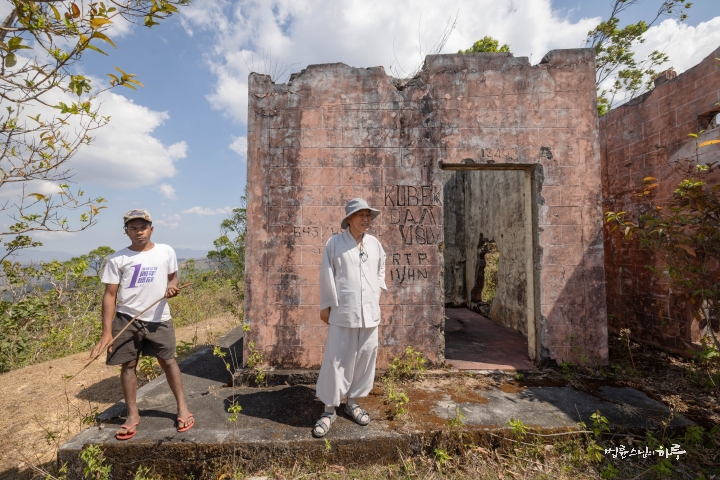
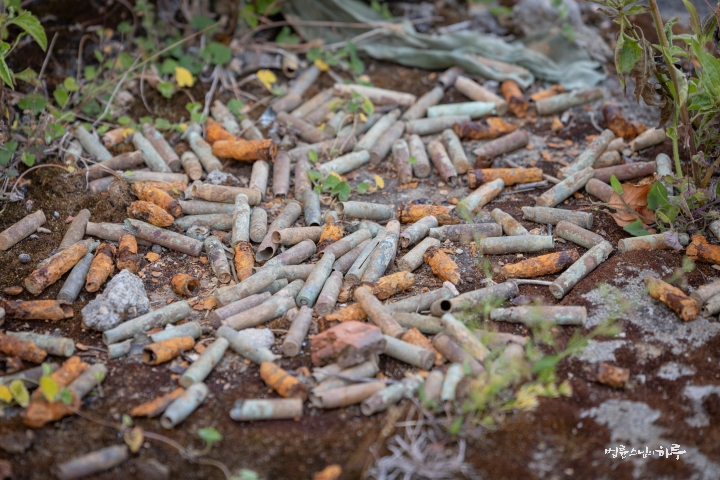
Spent cartridges were still piled up in various places. The building also bore many bullet marks.
Sunim shared the history of this place.
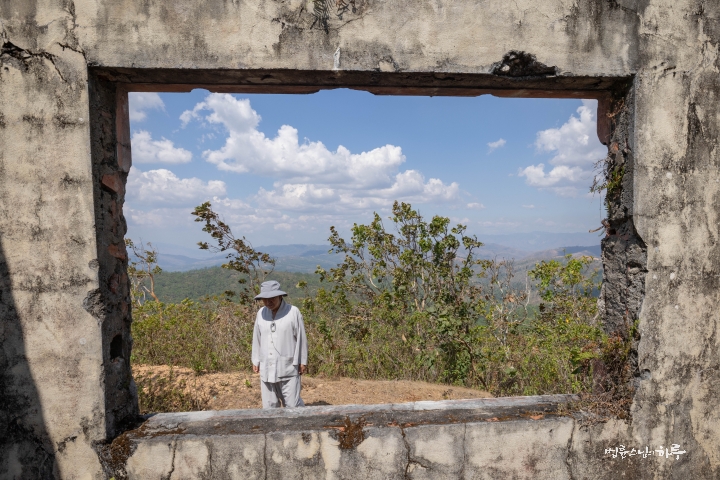
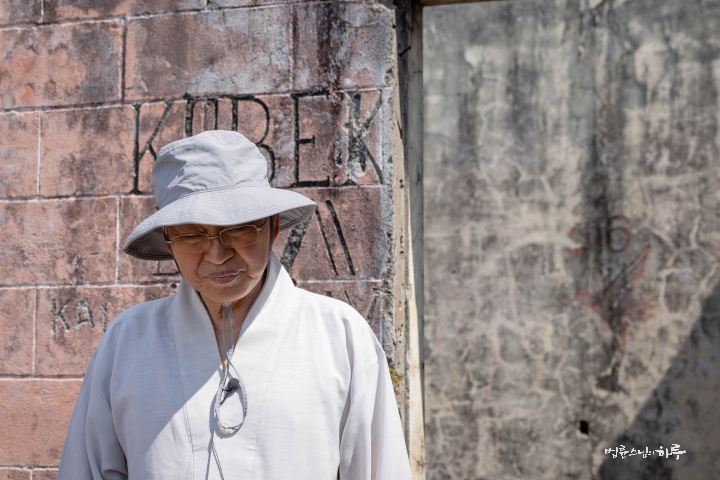
Leaving behind the pain of war, we descended the mountain again.
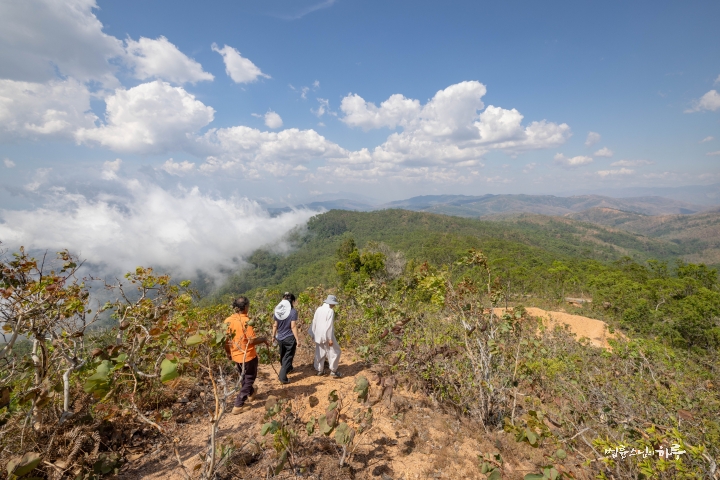
As we came down, Sunim continued to converse with Ramos. On the way down, we could see many deeply dug pits.
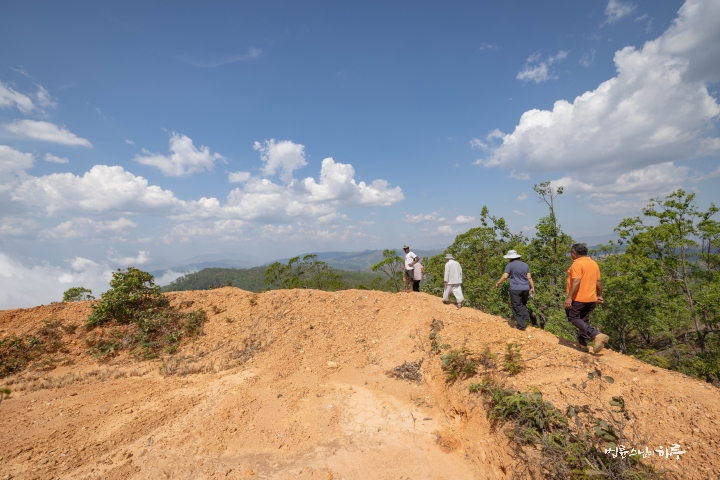
“Thanks to digging many holes throughout the mountain, water started flowing in the valleys, but the government doesn’t believe in this connection. So we’re preparing to conduct a scientific investigation and publish a report at the end of the year.”
“Did you pay people wages when they dug the holes?”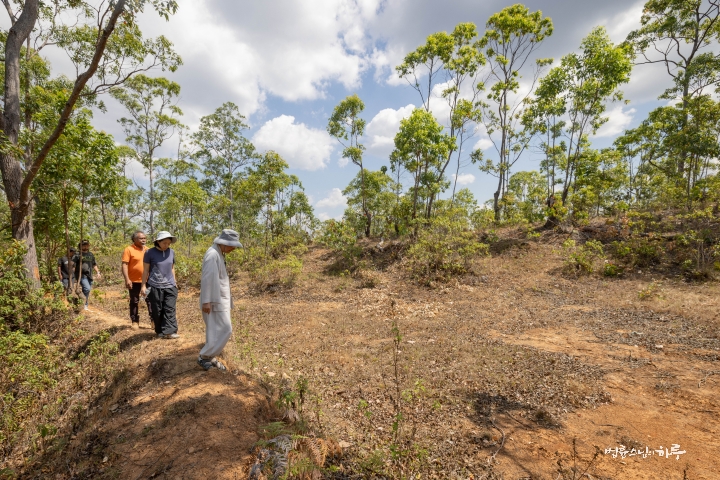
“Not wages, but we gave $5 per person as a meal allowance. Twenty people digging for ten days can make one hole of this size.”
“So it costs about $1,000 to dig one hole. If you say you’re digging holes to plant trees, people might easily agree, but it must have been difficult to convince people that you’re digging holes to revive the valleys. You must have had a hard time persuading people, Ramos.”“That’s right. People didn’t believe me. But 500 valleys have been revived over 15 years, so it’s already been proven.”
“You’ve done very well. Good idea!”“Last year, we held a youth camp here, and 400 people dug 20 holes over five days.”
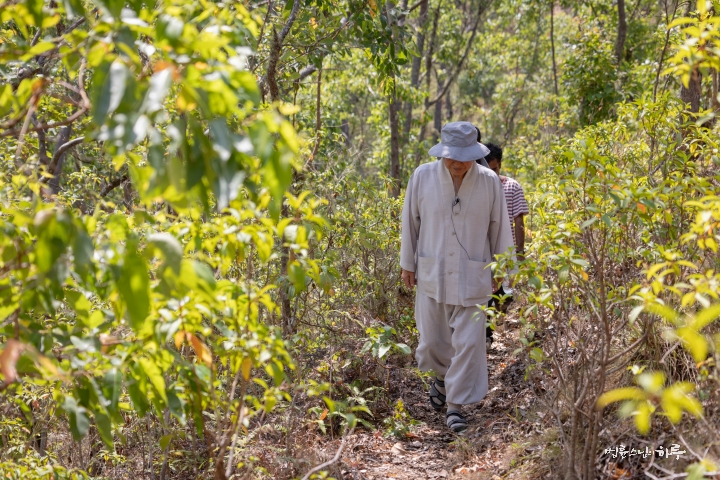
As we descended the mountain a bit further, a small botanical garden appeared. Various species of plants were being cultivated there.
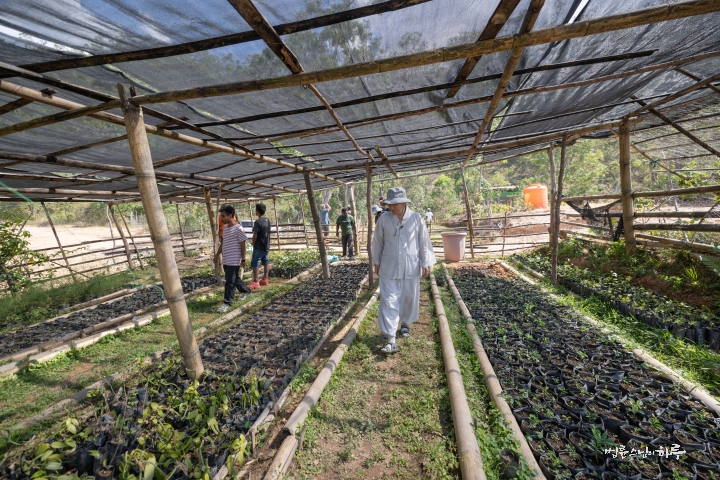
“We planted 10,000 seedlings here from 10,000 seeds. Half of these will be distributed to the local community, and the other half will be planted on this mountain.”
“What kind of trees are you mainly growing?”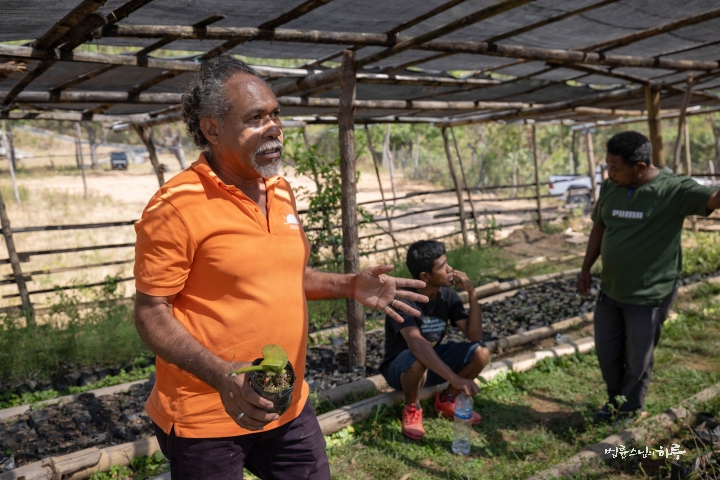
“We’re growing eucalyptus. There are two types, white and black. The white type has a property that evaporates water and dries out the soil, while the black type has the opposite property of retaining water. We’re trying to change the overall landscape by planting more black eucalyptus so that the mountain can retain water.”
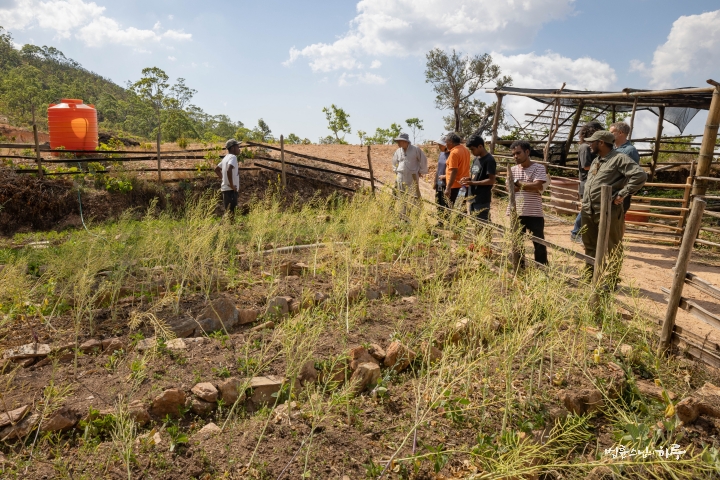
We got back in the car and headed towards the newly built school. Before reaching the school, Sunim showed us a knee-high cement water storage area. Water was trickling through it.
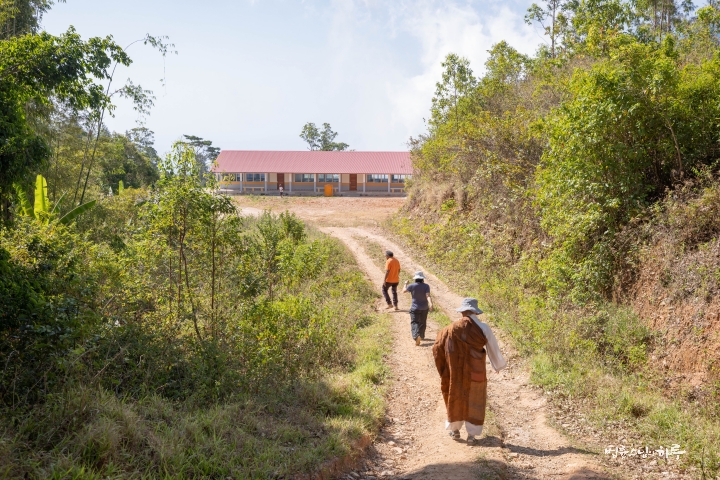
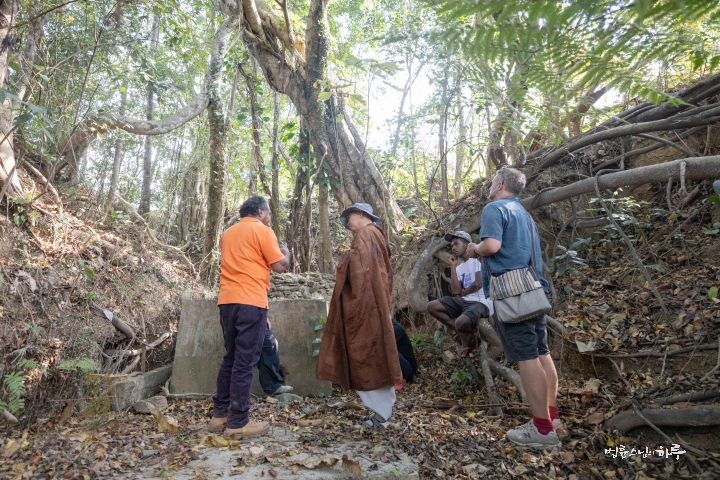
“Thanks to the pits that allow rainwater to seep into the ground, we now have water for the school and hospital. Seven more springs have also appeared in this area.”
Ramos smiled brightly as he repeatedly mentioned that they were able to build the school thanks to this water. Sunim smiled and said:
“Seeing how precious they consider this amount of water, it must be truly valuable here.”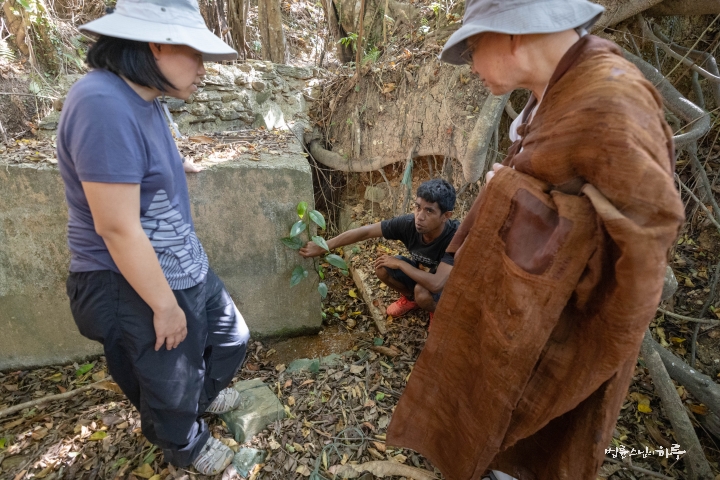
Behind the school building, there was a well-tended vegetable garden. This is where students practice permaculture and grow crops themselves.
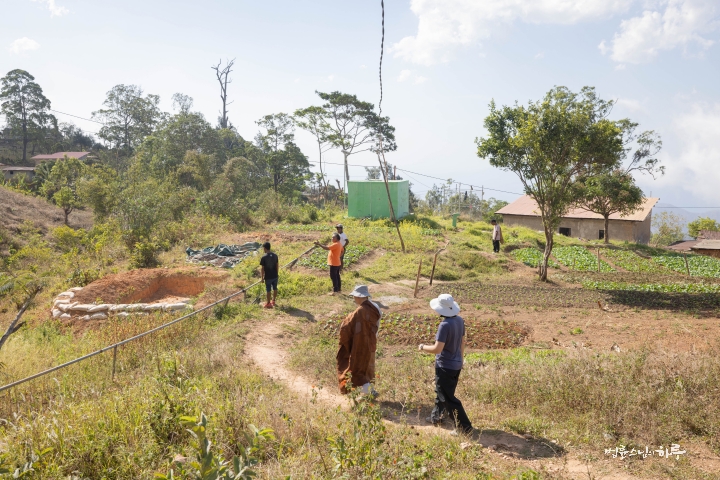
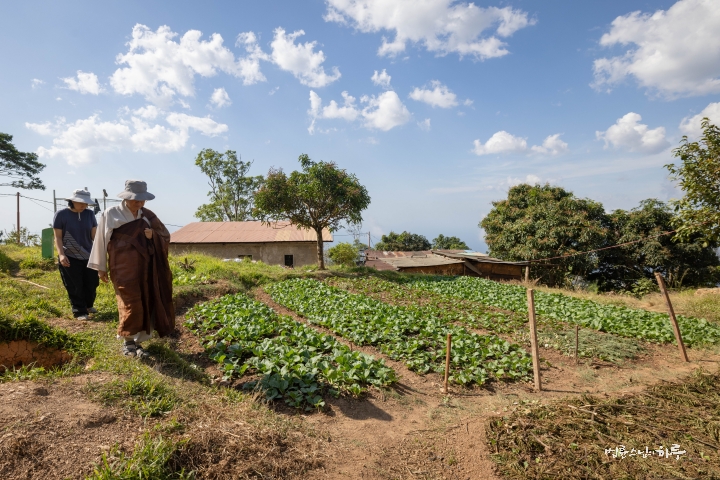
“Teachers conduct school garden programs in this vegetable garden. Students learn to tend vegetable plots, manage food waste, practice natural pest control, and select seeds. Now, this program has been included in the national public school curriculum.”
We got back in the car and moved to examine more pits created in another village. After walking uphill for 30 minutes, we came across a large pit.
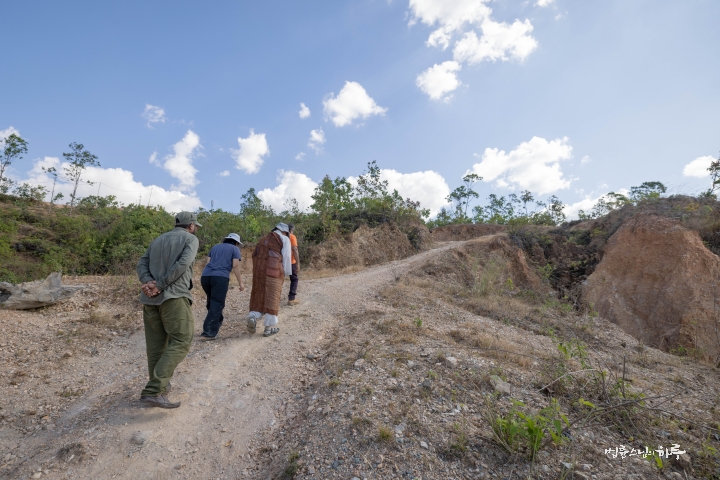
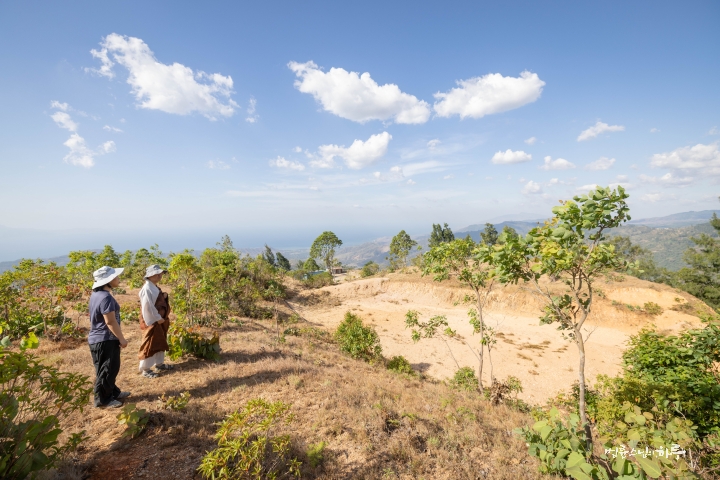
“Thanks to this pit, two springs downstream have been revived. We plan to dig two more pits by next year.”
“Is there any risk of landslides? While water seeping into the ground has its benefits, doesn’t it also pose a risk of landslides?”“There was a landslide in an uninhabited area downstream when it rained heavily.”
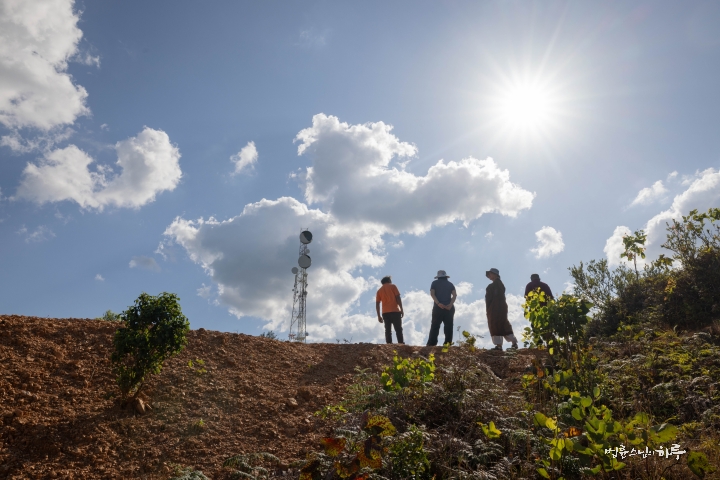
Perhaps due to the dry season, the ground was extremely dry. There were many areas where the ground was cracked.
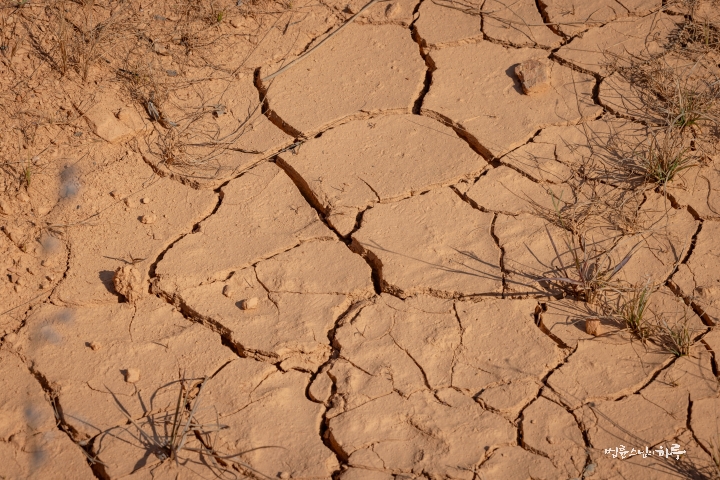
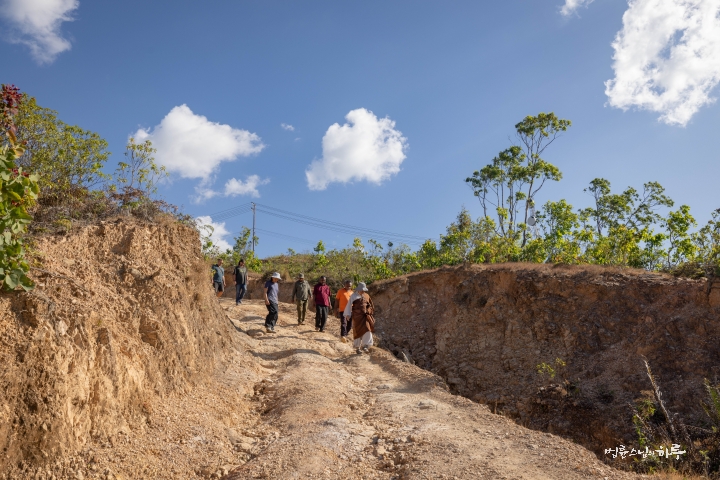
At 4:20 PM, we finished our tour and headed back to our accommodation by car. While in the car, Sunim made two proposals.
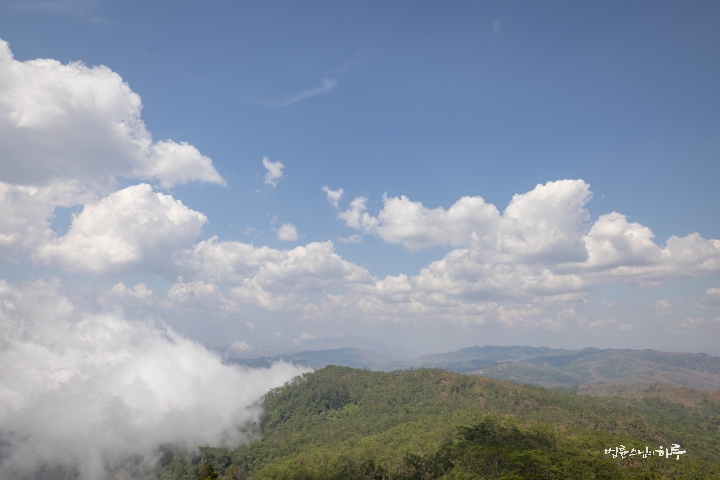
“Yes, we’ll do that.”
After arriving at the accommodation, we expressed our gratitude to Ramos, who had guided us throughout the day.
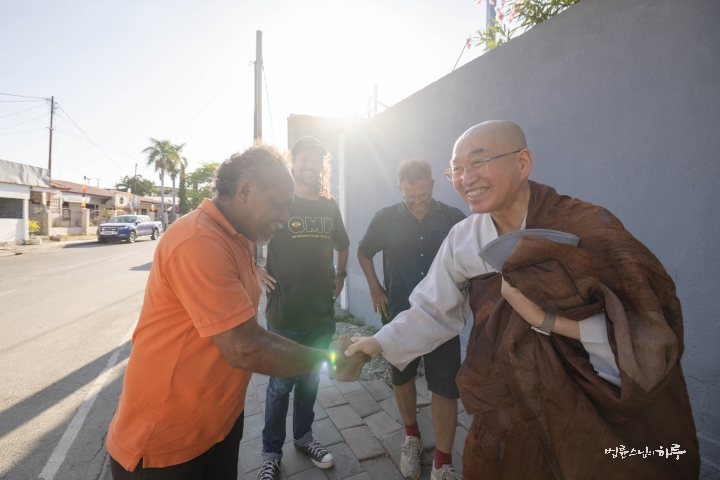
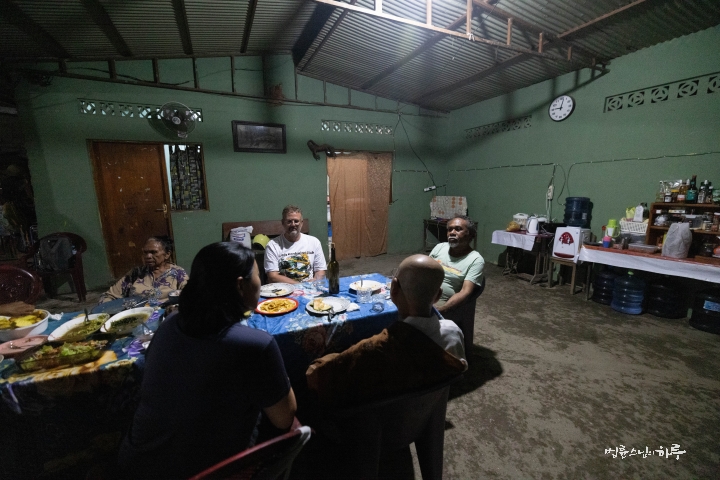
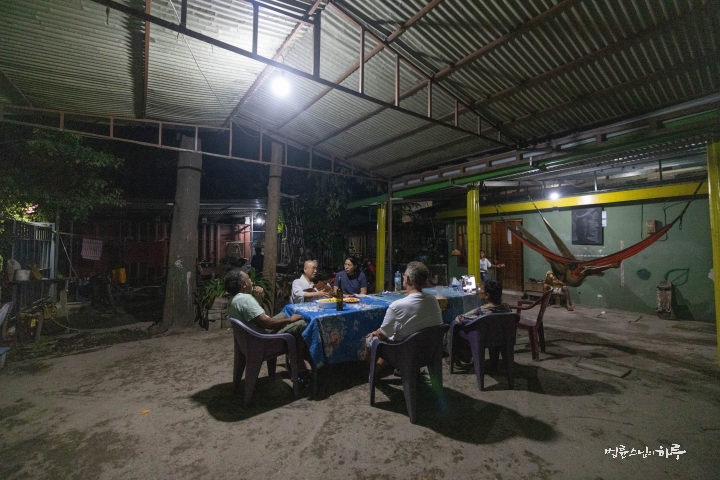
As the sun set, we had dinner again at Ramos’ mother’s house at 7:30 PM. Ramos’ wife and Permatil activists had prepared the meal with great care.
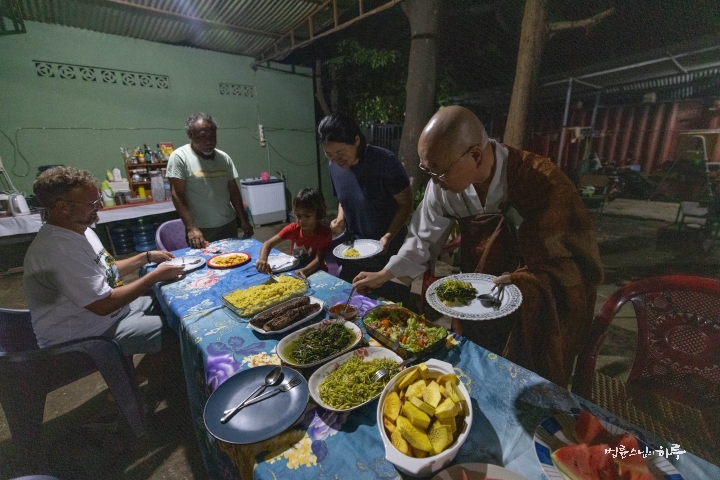
After the meal, we had more conversations. Sunim talked about the advantages that East Timor has, mentioning that Korean youth are gradually losing their initiative and independence.
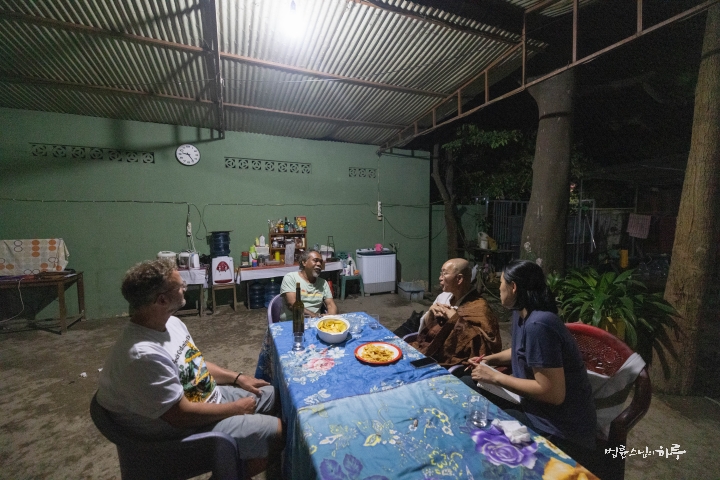
Economic Development Isn’t Always Good
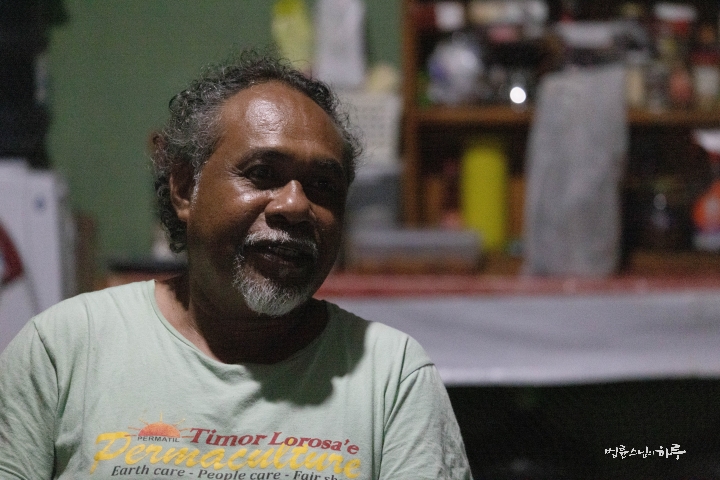
“Korean youth are gradually losing their initiative and independence. The situation is even more serious when you listen to people who provide job counseling to students at universities. Young people find it very difficult to go to work regularly and take instructions from superiors. Some even try to avoid going to work altogether. Most have a habit of sleeping late and waking up late. They wake up late, just do part-time jobs to earn pocket money, and eat and sleep at their parents’ homes. Most families only have one child, so parents tend to let this behavior slide. This phenomenon will become a big problem in the future. That’s why young people in East Timor might be happier. The youth here all seem to have their own will to try something, don’t they?”“The young people who come to our Permatil camp seem particularly proactive.”
Ramos introduced that the youth camps run by Permatil are bringing vitality to East Timor. He said that since 2008, the youth camps have trained over 5,000 young people nationwide.
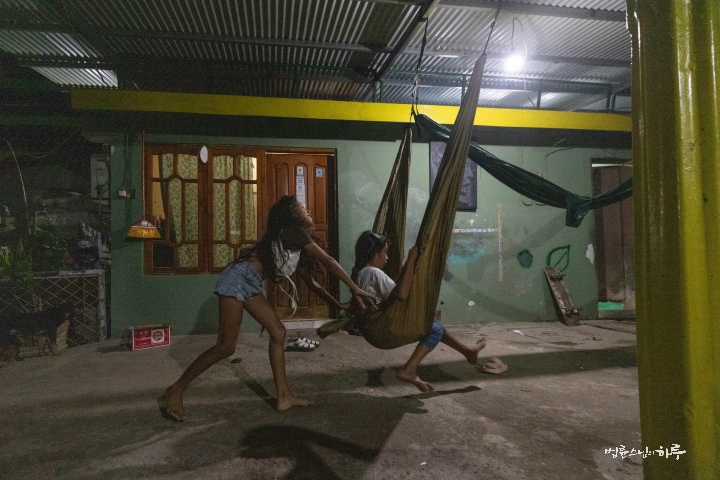
“Young people who come to our youth camps initially participate with the mindset of coming for a comfortable camping trip. They just follow along because their friends asked them to come. However, because this camp is not a vacation but a time for learning, we have them sign an agreement at the beginning. They agree to ‘follow the rules of this camp, learn fully here, and apply what they’ve learned back in their villages.’ They sign this agreement, the village chief signs it, and the person running the camp signs it.
We wake up at 5 AM, do exercises together, have breakfast, and start farm work at 8 AM. On the first day, everyone is tired and wants to lie down and rest from the morning, but we strictly prevent that. There’s a lot to do until noon, then after lunch, we do more farm work, and finish work at 5 PM. We rest a bit, and at 6 PM, we watch a movie. We also have performances, sing songs, dance, and have fun activities until 10 PM. At 10 PM, everyone must go to sleep, and we start the day again at 5 AM.
By the second day, the faces of the young people start to brighten up a bit. Even older people find it interesting. We give them tasks that they can complete, and after 3 nights and 4 days, when the camp is ending, we light a bonfire and spend the last night together. People cry and don’t want to leave. They miss each other and regret having to leave. I sometimes cry too. We create these connections to make everyone feel like one family.”
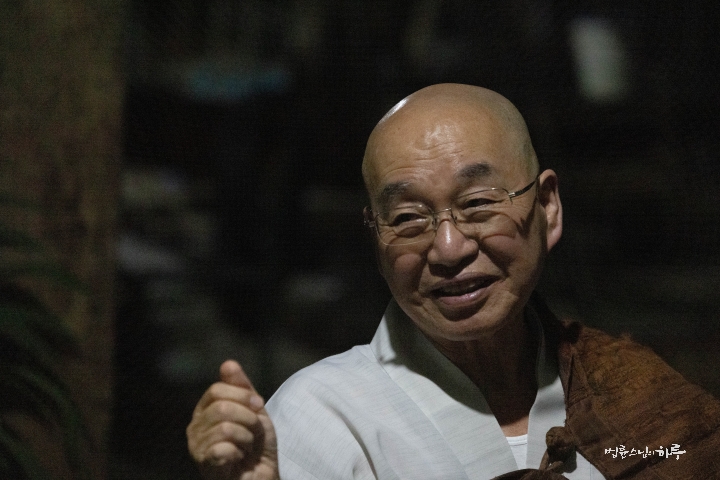
Sunim praised the achievements of Permatil.
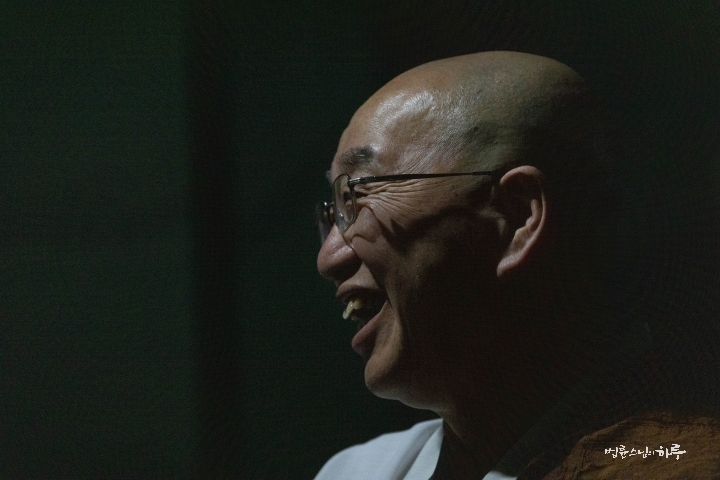
Ramos smiled and said:
“Let’s have hope. Let’s create hope to improve this situation.”
While talking about hope, Ramos also expressed his concerns.
“I’m worried about agricultural education these days. There are high schools where you can learn agriculture, and universities where you can major in agriculture, but the content isn’t really helpful for the students. It’s not content they can use when they return to their hometowns. They mainly teach about large-scale corporate farming. They don’t teach organic farming methods, but instead teach how to use chemical fertilizers and pesticides. Our education system is ruining our culture. When students return to their hometowns, the gap between what they’ve been taught and reality is so large that they all leave their hometowns. This is what I’ve seen with students I’ve met personally.”
Sunim agreed with Ramos’ opinion and said:
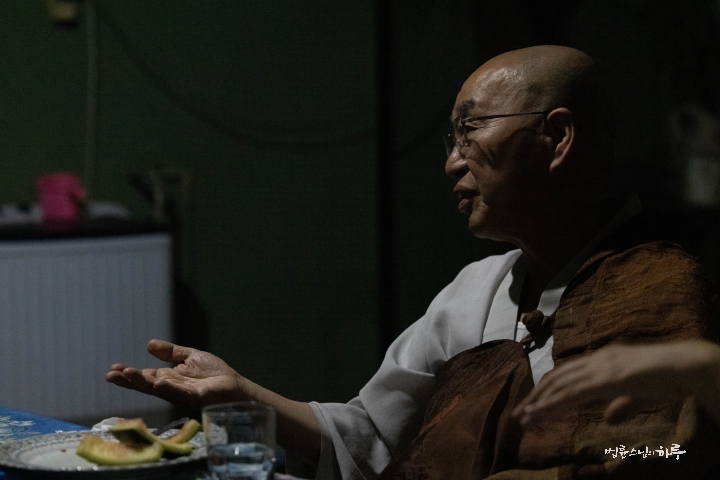
Ramos explained that he is constantly trying to make changes through education.
“Universities are the same. When I was a university student, I never received education that was independent or self-reliant; I received education to get a job in a company. After graduation, students didn’t return to their hometowns to work, but most went to get jobs in companies. Wise and creative students rejected such education, but they were a minority. At that time, Indonesia was forcibly occupying East Timor, and I majored in animal husbandry. Instead of livestock education that could be applied locally to suit East Timor’s reality, I received education for large-scale livestock farming to operate big ranches. So, from 1997, I started a student movement opposing this kind of education and called for the spread of organic farming. But the military suppressed us. It was against this background that we started permaculture.
In 1997, there were many big events in Asia. As the price of chemical fertilizers skyrocketed, farmers who depended on them quit farming. At that time, we presented alternatives. After independence from Indonesia, we started permaculture based on that. Currently, universities in East Timor are still teaching like they did then. To improve this education system, we first started proposing to the Ministry of Education in 2013. Starting from the elementary school curriculum, the middle school curriculum has now been revised. It seems that the high school curriculum will be revised next year. We are working to change all educational content from elementary school to university to suit East Timor’s reality.
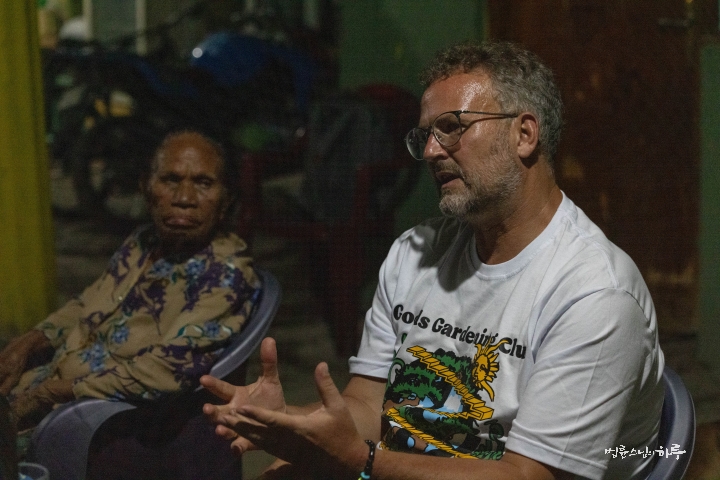
“The most challenging part was revising the middle school curriculum. Originally, the middle school curriculum was directly imported from Portugal. In 2009, the Ministry of Education had a contract with the Portuguese government to print textbooks, which complicated matters. We persuaded the Ministry of Education by pointing out that the textbooks at the time did not reflect content related to climate change. While the old curriculum included art-related subjects, there were no courses on culture. Now, all of these have been incorporated. We added music, dance, traditional culture, school gardening, and even a ‘Planting Water’ course. The revised curriculum including this new course was approved by the government last week. Now, we’re preparing the curriculum revisions for 2025. It’s not an easy task, but we keep trying.”
Sunim encouraged Mr. Lemos, saying that he was leading a revolution.
Supporting the Education Revolution in East Timor
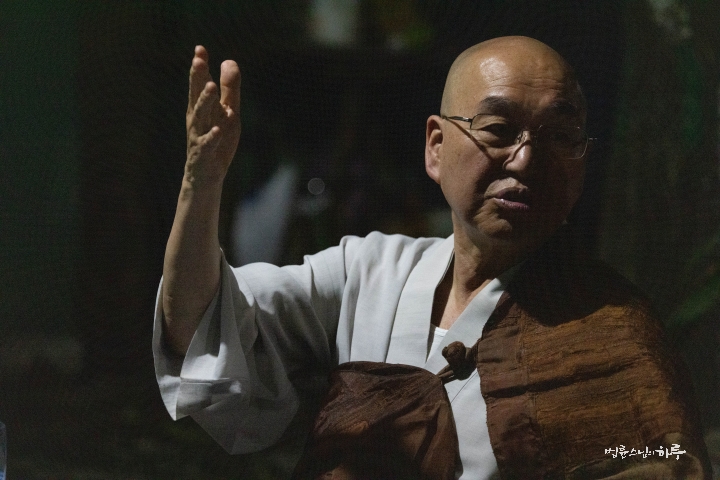
“East Timor is the same. All laws are written in Portuguese. Even the national anthem is sung in Portuguese. In middle schools, they don’t use Tetum, the local language of East Timor. So when I taught, I suggested that all teachers use Tetum. As a result, the new curriculum plans to use both Portuguese and Tetum. This is because the influence of Portuguese-speaking people in East Timor is still strong.”
“You’re doing an excellent job. I hope the revolution succeeds. I will actively support you.”“Thank you.”
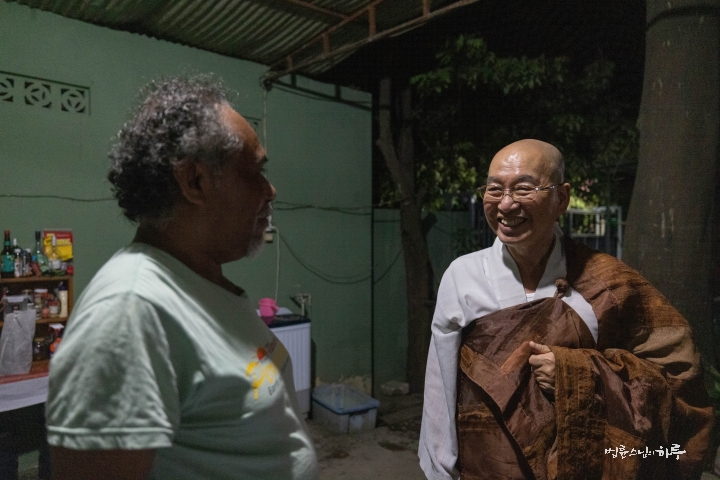
After a long conversation, we got up from our seats past 10 PM.
As Sunim was leaving the house, Mr. Ramos’ mother came out to the gate, hugged Sunim, and said:
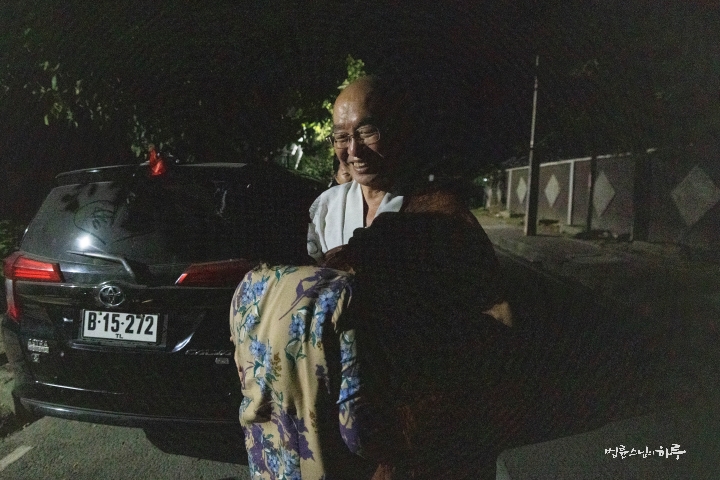
“Thank you for coming such a long way.”
Mr. Ramos accompanied Sunim, walking together through the dark night to the main road.
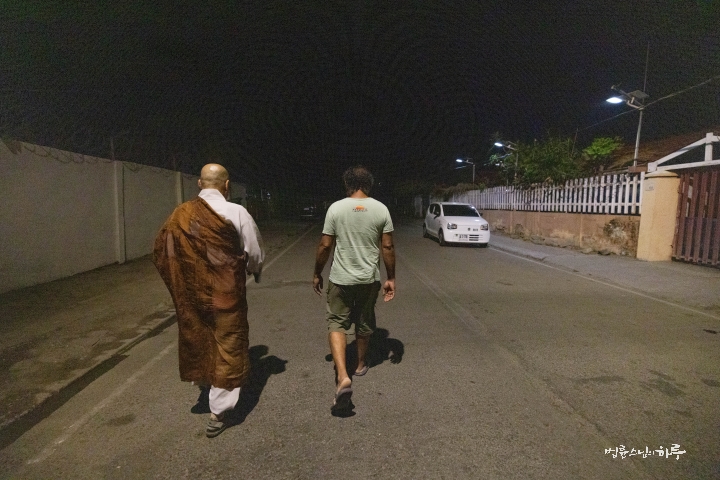

Tomorrow, we depart from East Timor for Korea. We will leave Dili Airport, transit through Bali Airport in Indonesia, then through Hanoi Airport in Vietnam, and after an 18-hour journey, we are scheduled to arrive at Incheon Airport the following morning.